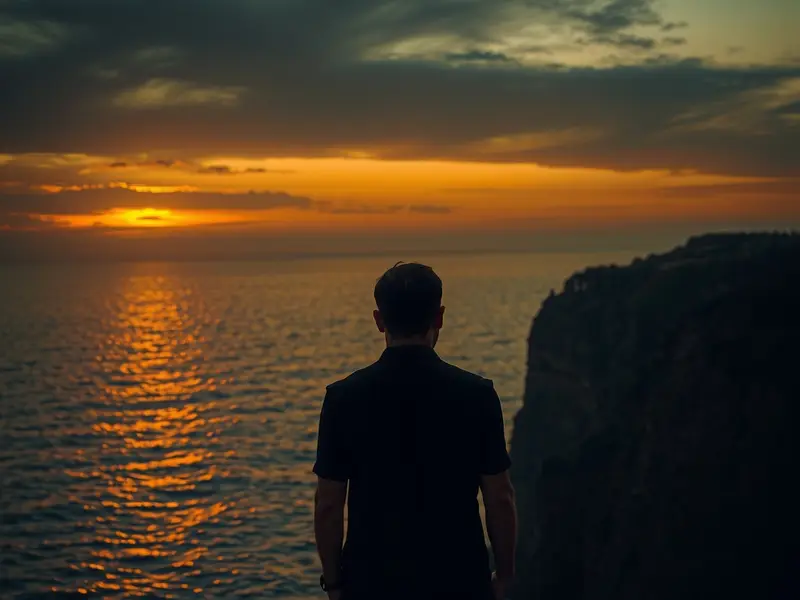
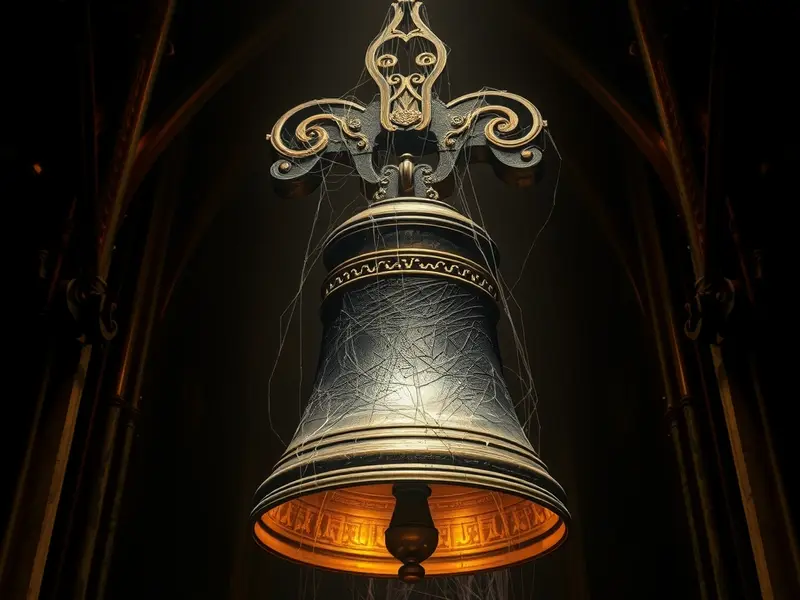
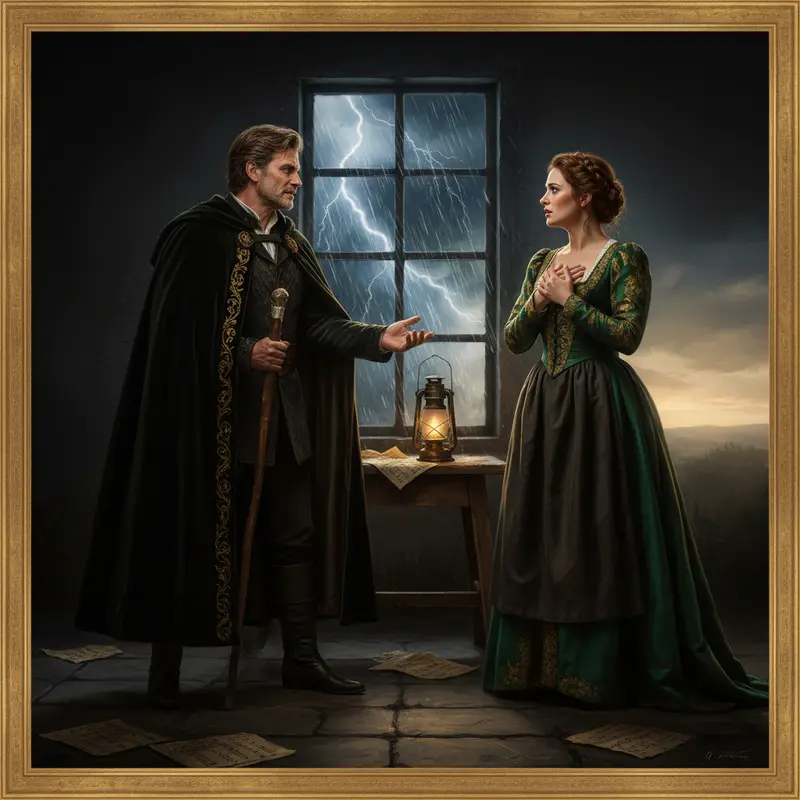
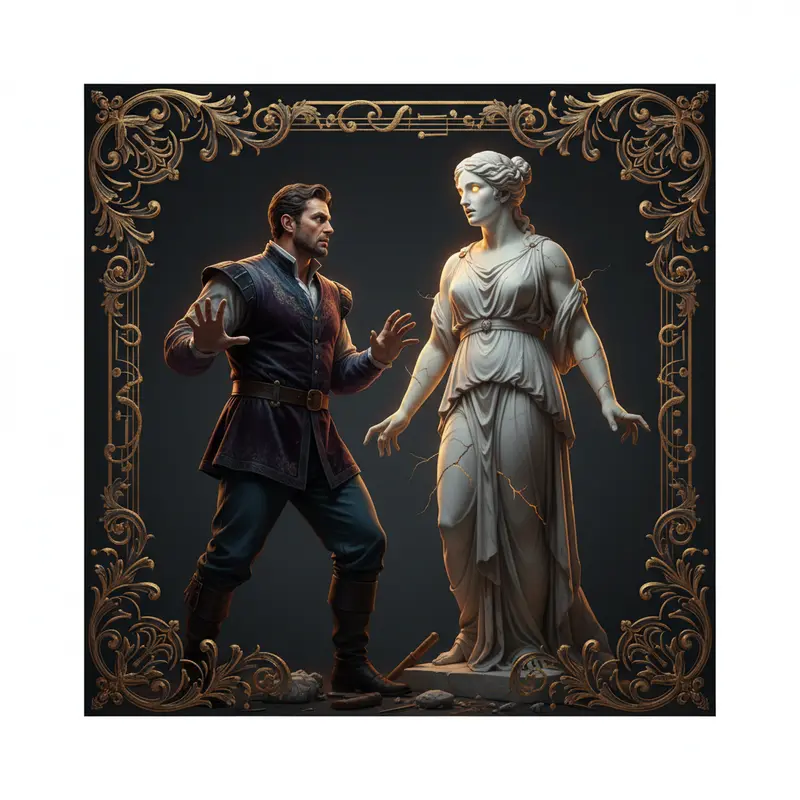
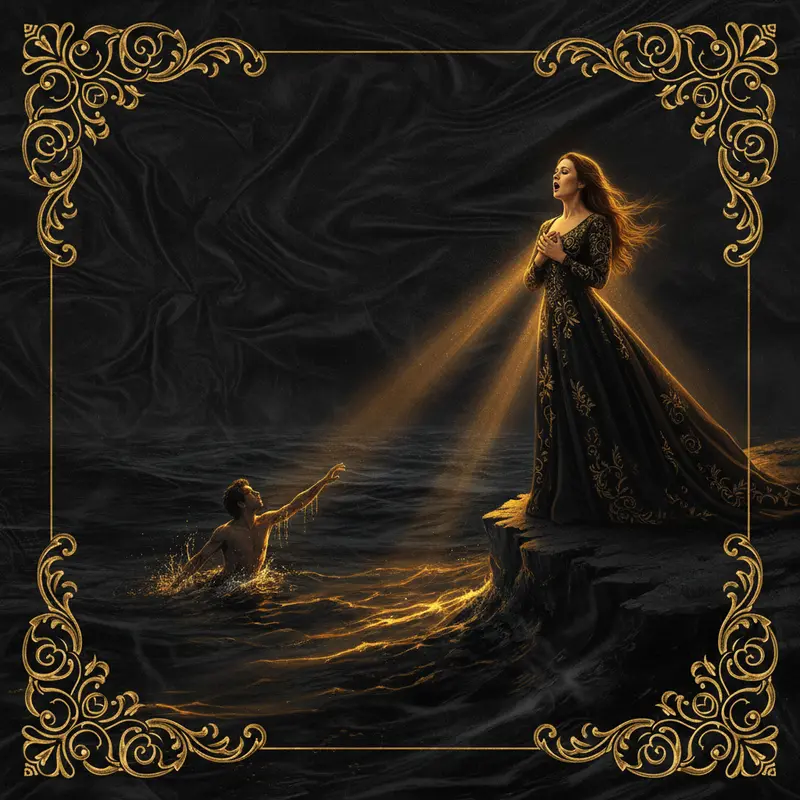
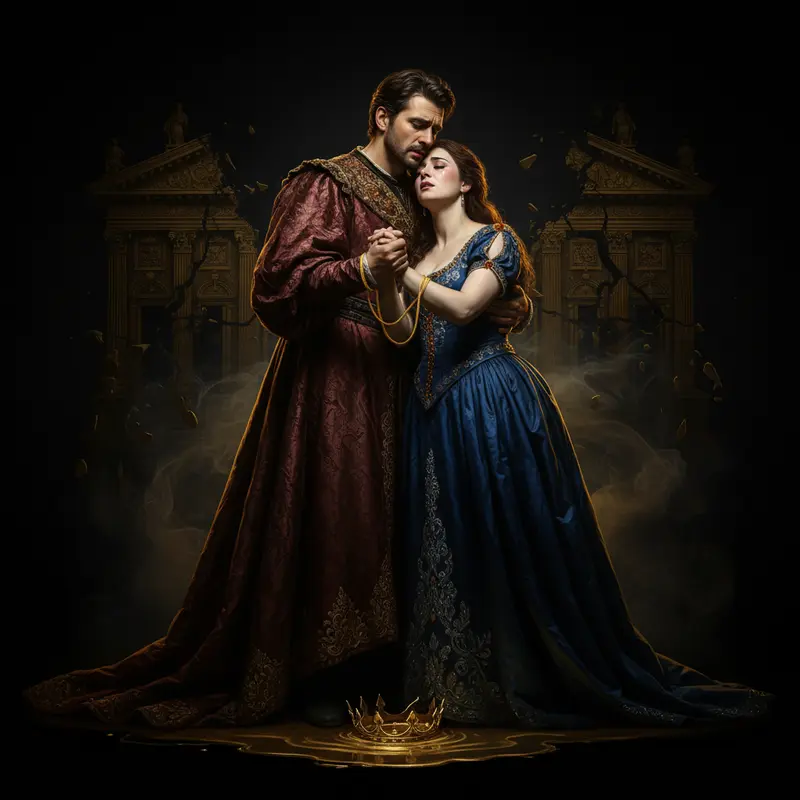
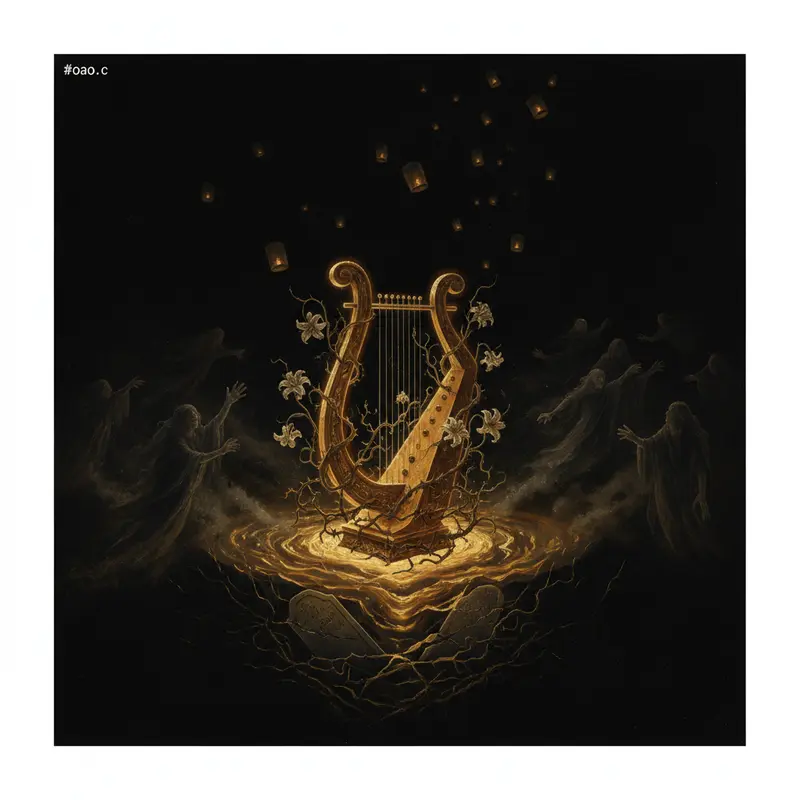
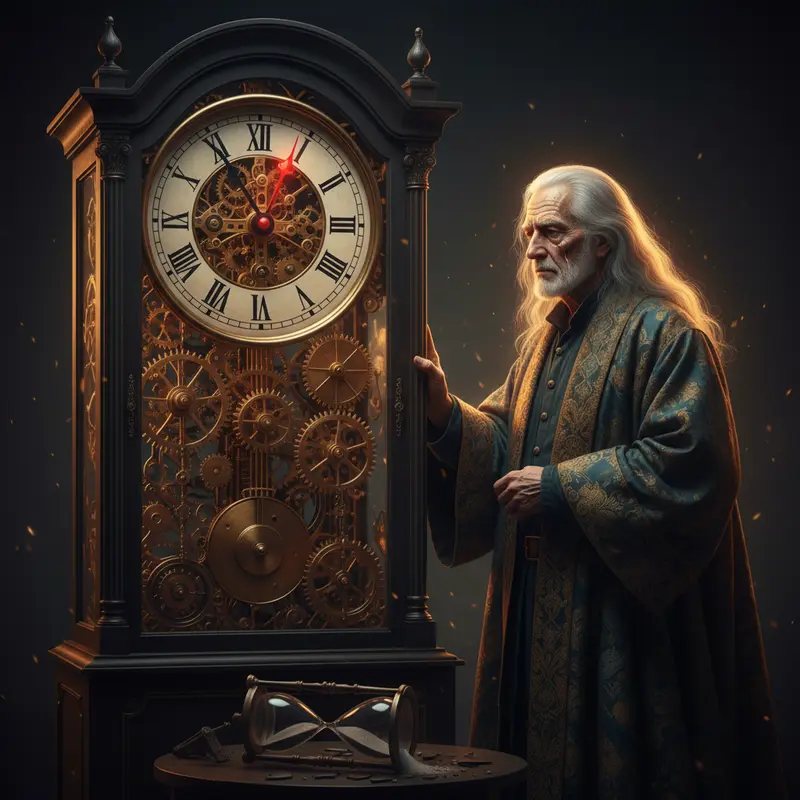
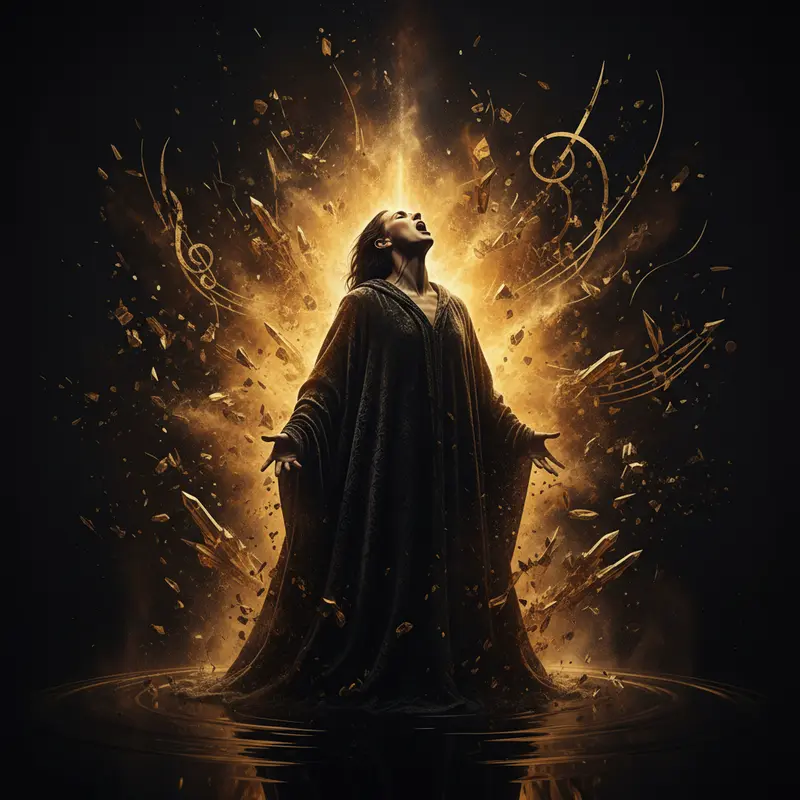
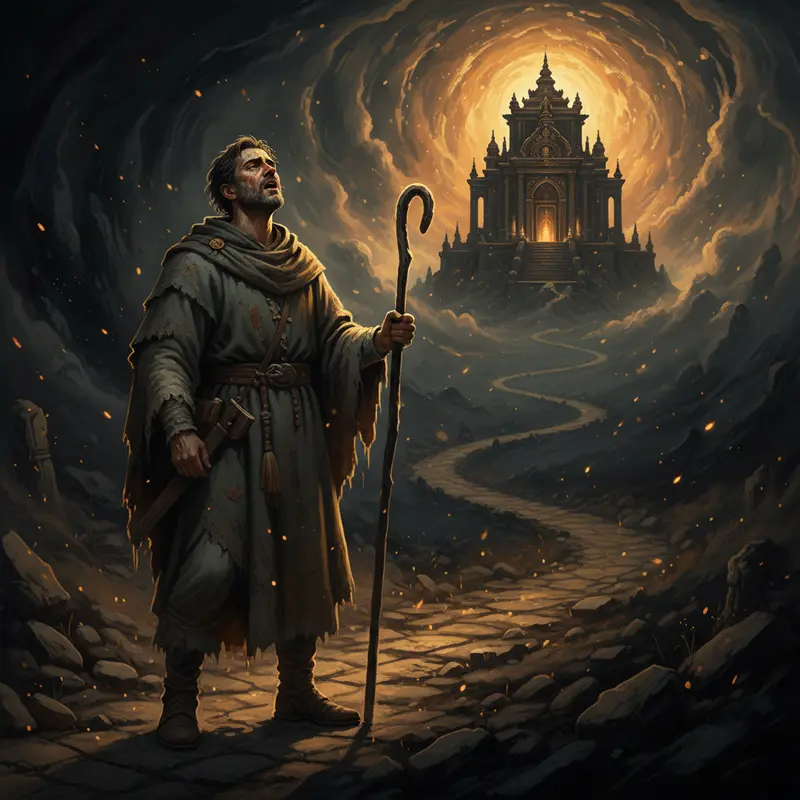
A shattering dramatic aria that traces the arc of loss with operatic grandeur. Voss delivers each phrase with unyielding emotional depth, his lower register resonating like a cathedral bell at dusk.
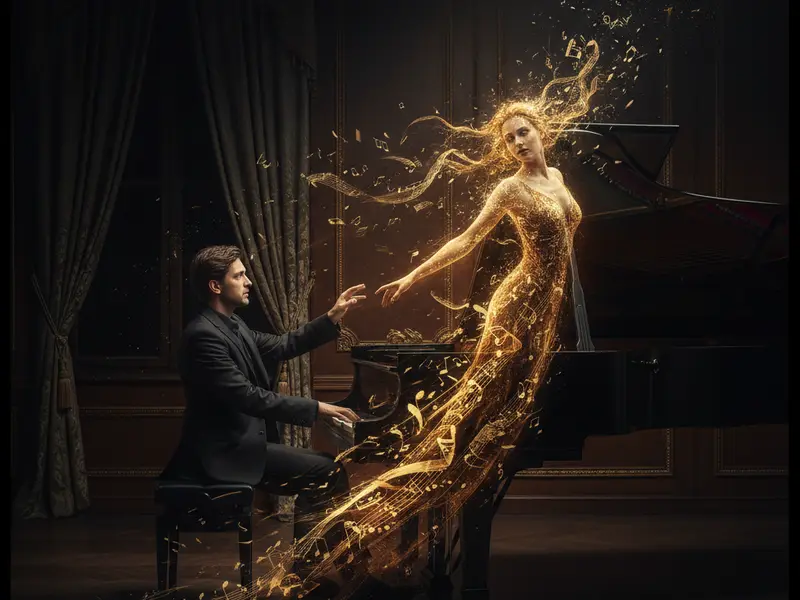
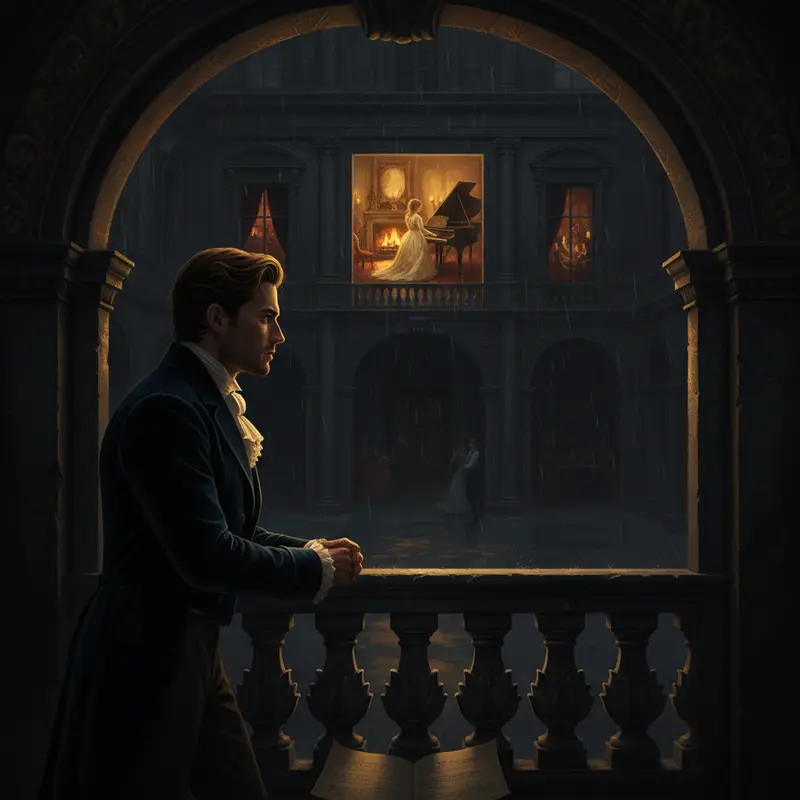
An intimate art song composed under the influence of Schubert and Hugo Wolf. Delicate piano filigree supports Voss's hushed, luminous baritone in a meditation on memory and night.
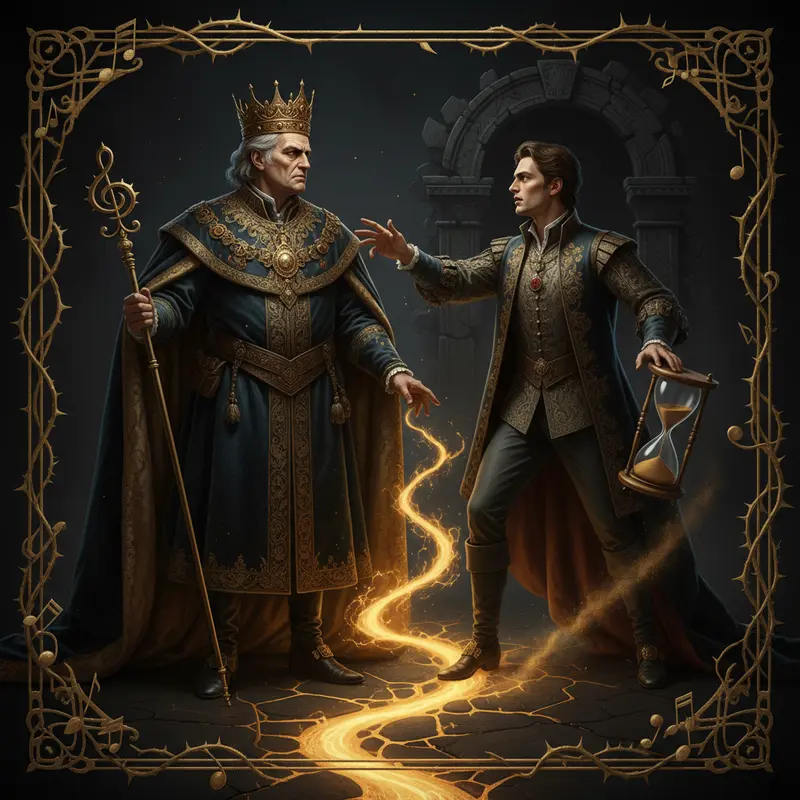
A towering oratorio duet composed for Voss and soprano Isabella Laurent. The interplay between their voices — his rich, grounded baritone and her soaring line — creates an overwhelming sense of unity across time.
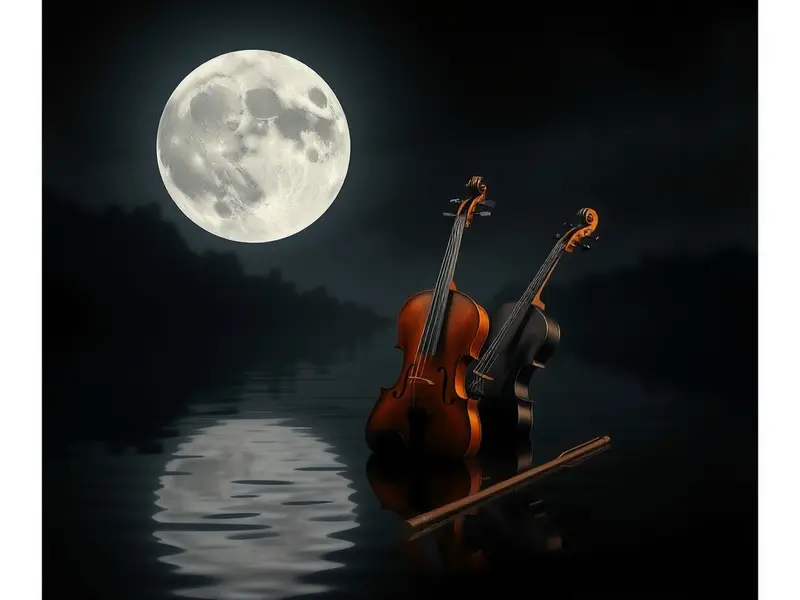
A chamber song scored for baritone, oboe, and cello. Voss's voice moves through the texture like fog through forest — present, atmospheric, and full of unspoken sorrow.
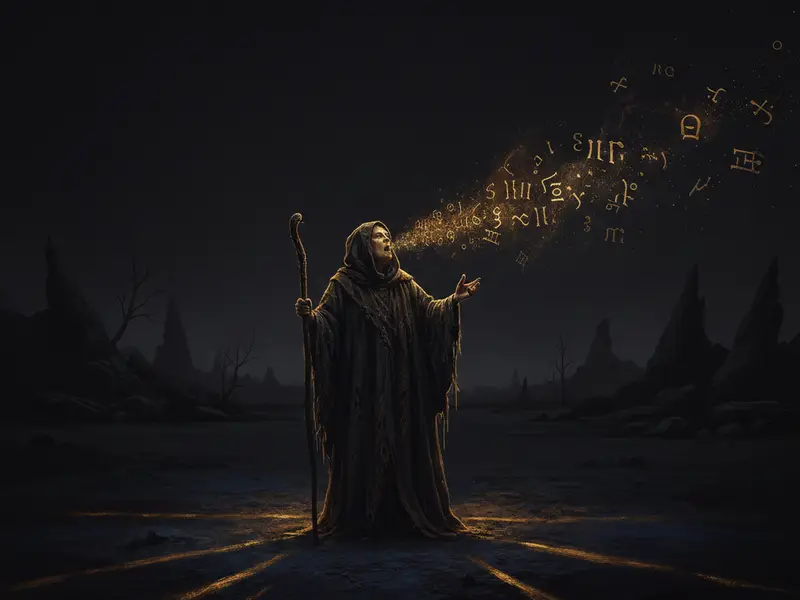
An ambitious symphonic poem featuring vocalise — wordless song woven through a full orchestral canvas. The voice becomes another instrument, its timbre inseparable from the brass and strings that surround it.
A concentrated Lied in the Germanic tradition, settings poetry about landscapes abandoned and longed for. Brief yet shattering — every syllable precisely weighted, every pause intentional.
The second collaboration between Voss and Isabella Laurent, this romantic duet moves from tender whispers to ecstatic climax. Their voices circle each other with the inevitability of planetary orbits.
A serenade for baritone and string quartet that draws on the late-Romantic tradition. Voss's voice floats above the quartet's long, aching phrases in a nocturnal reverie of rare beauty.
Extracted from Voss's larger choral Requiem, this baritone solo stands alone as a monument of grief and acceptance. The orchestral writing is lush, cinematic, and uncompromising.
Voss's most expansive composition to date — a vast orchestral canvas with embedded baritone passages that contemplate cosmic scale and human insignificance. A defining statement of his artistic vision.
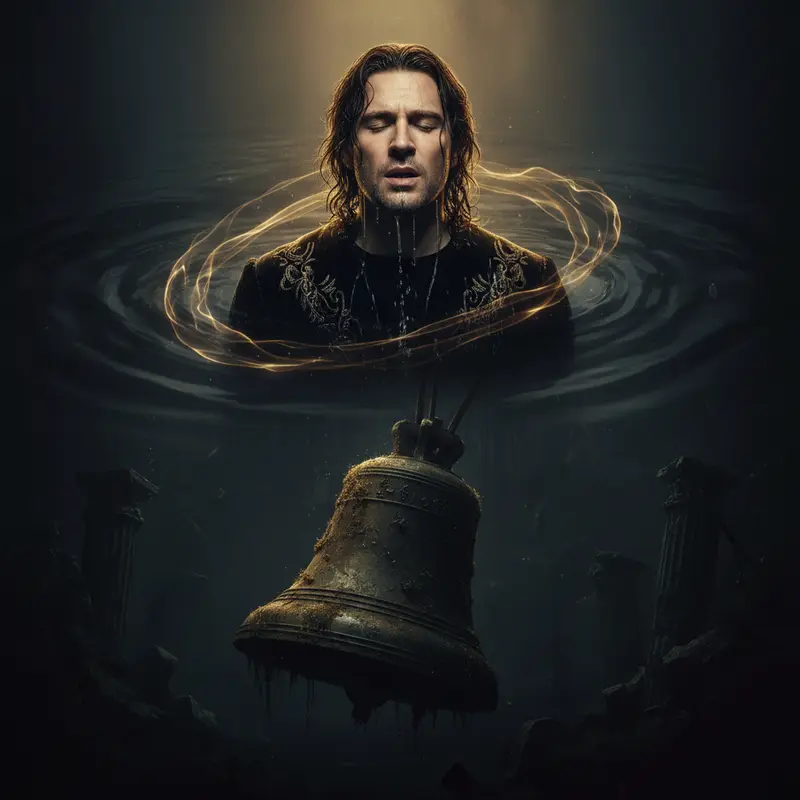
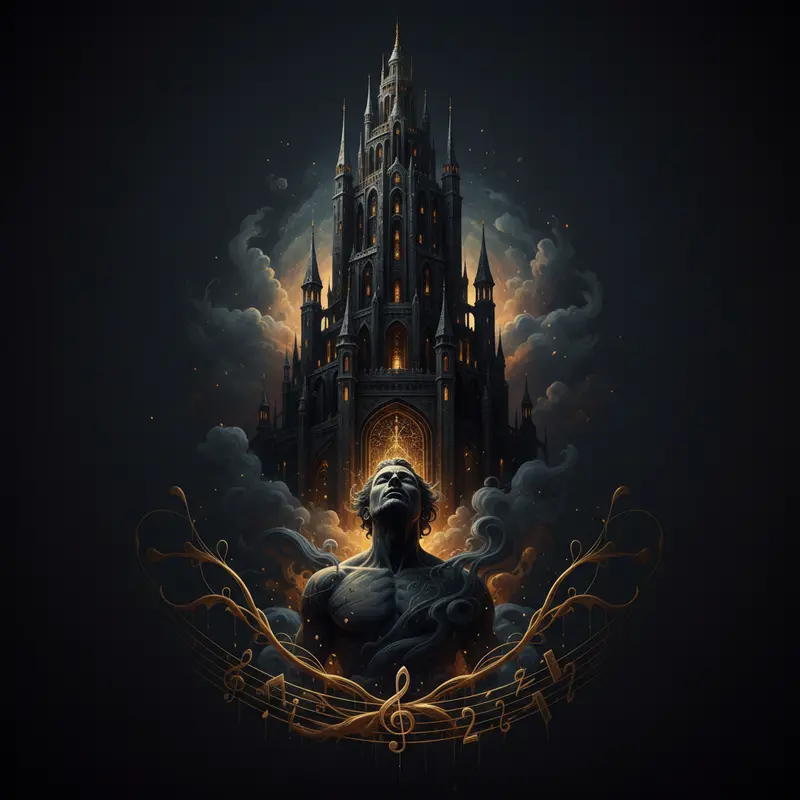
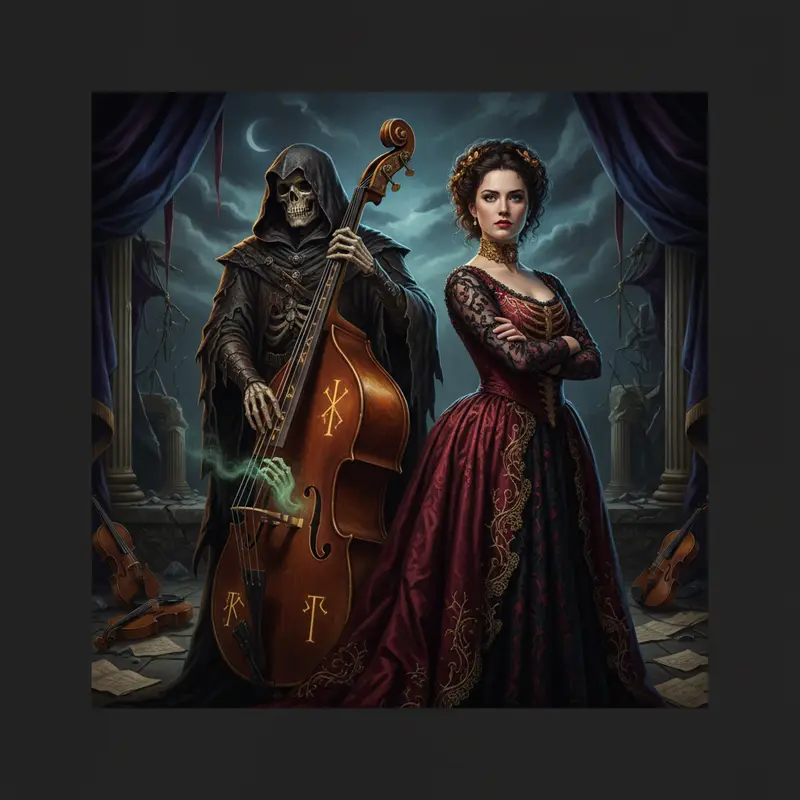
A funeral aria of cathedral scale, written for a bell that will never ring again. Voss lets each phrase decay into silence before the next begins, his lower register tolling beneath a slow procession of strings.
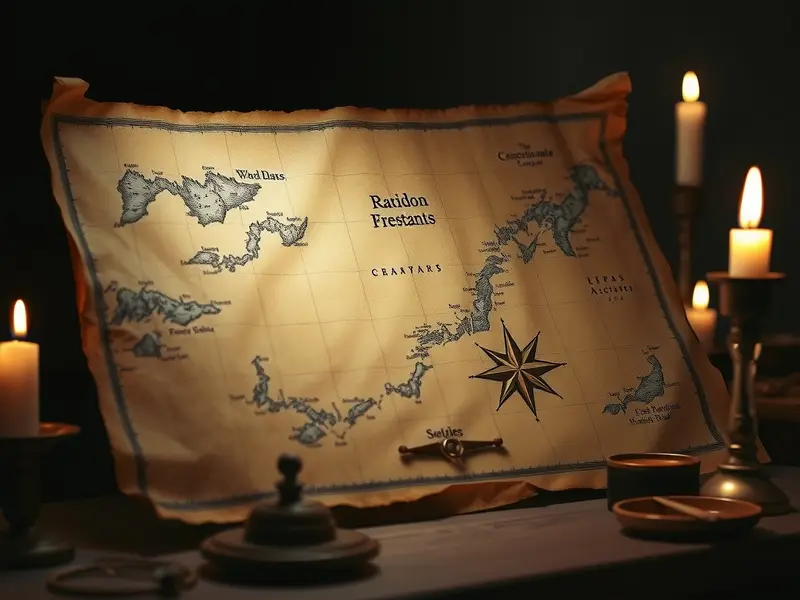
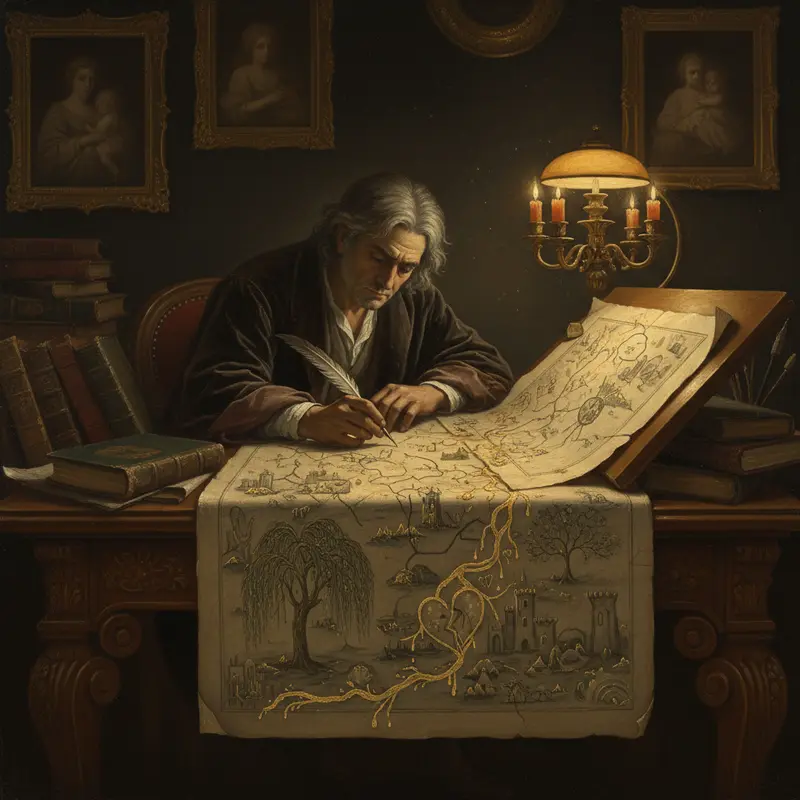
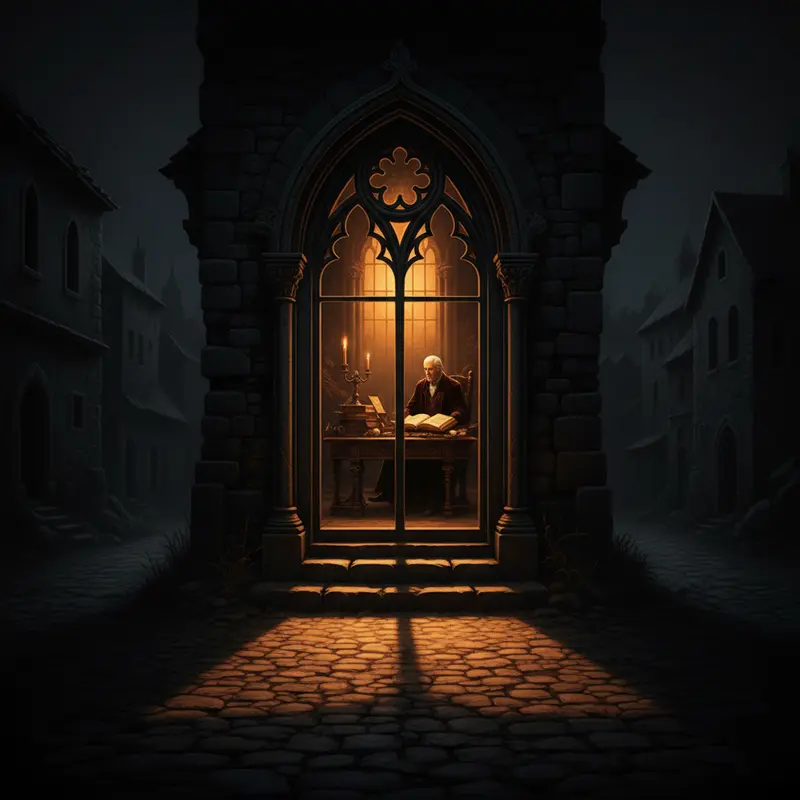
An intimate art song in the Schubertian mould, sung from the desk of a mapmaker charting a country that no longer exists. Spare piano and a hushed, luminous line trace the ache of remembering a vanished world.
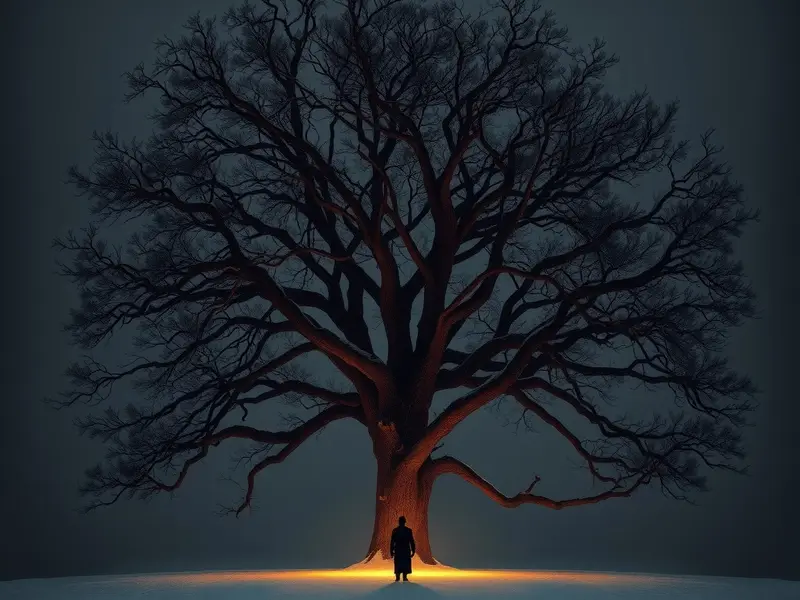
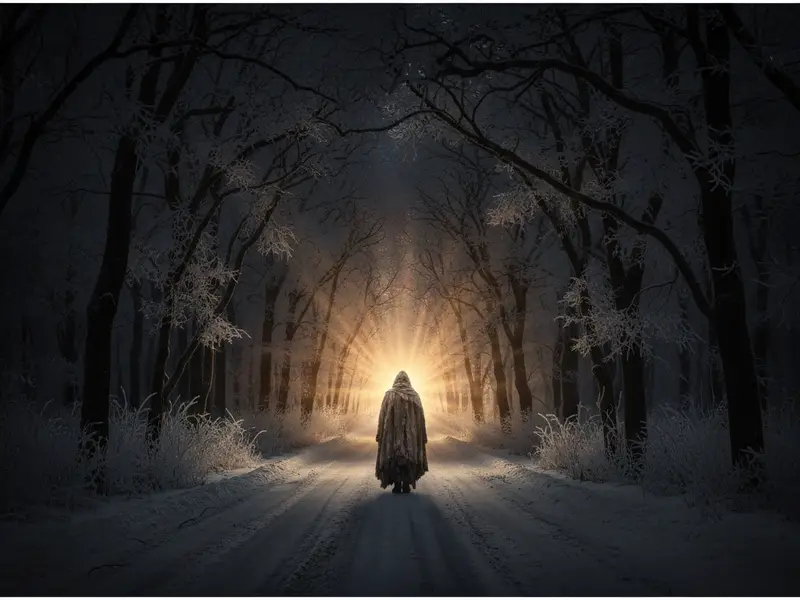
Scored for baritone, clarinet, and cello, this chamber song shelters under a bare winter tree where the singer waits out a long grief. The voice moves through the cold texture with the patience of someone who has stopped expecting spring.
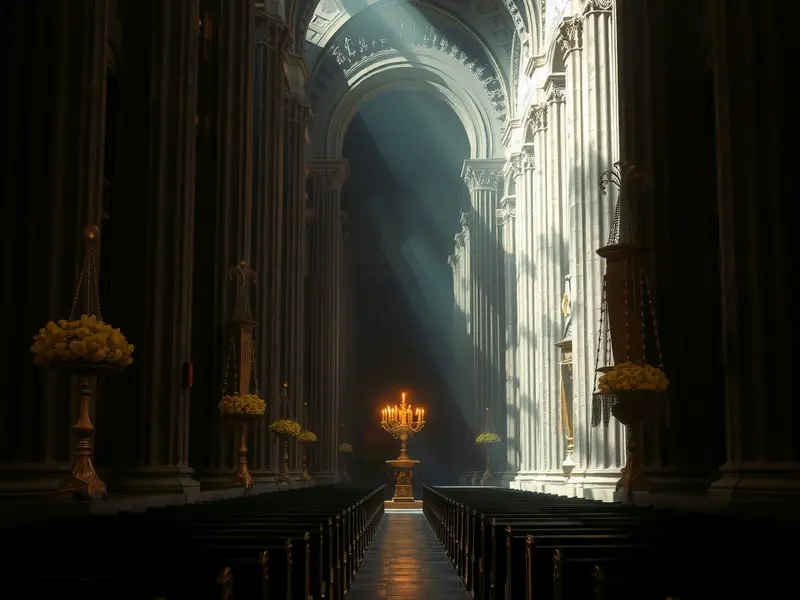
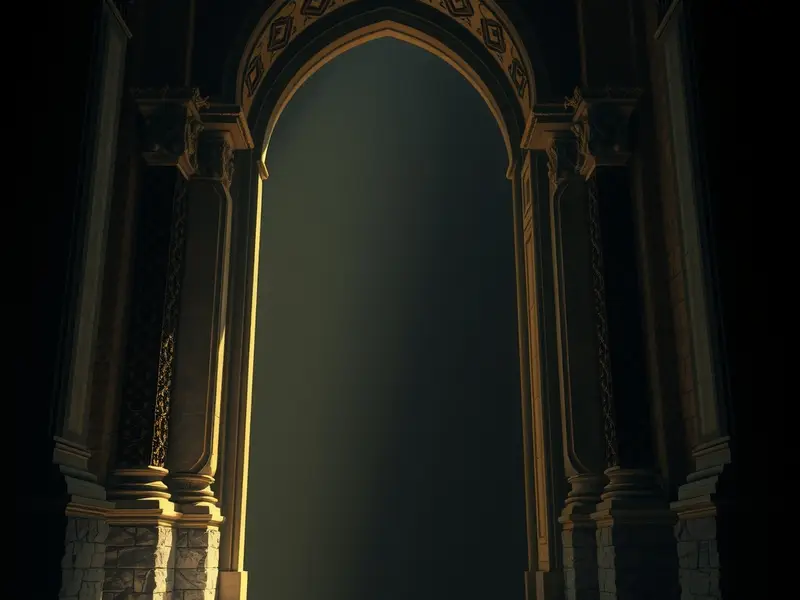
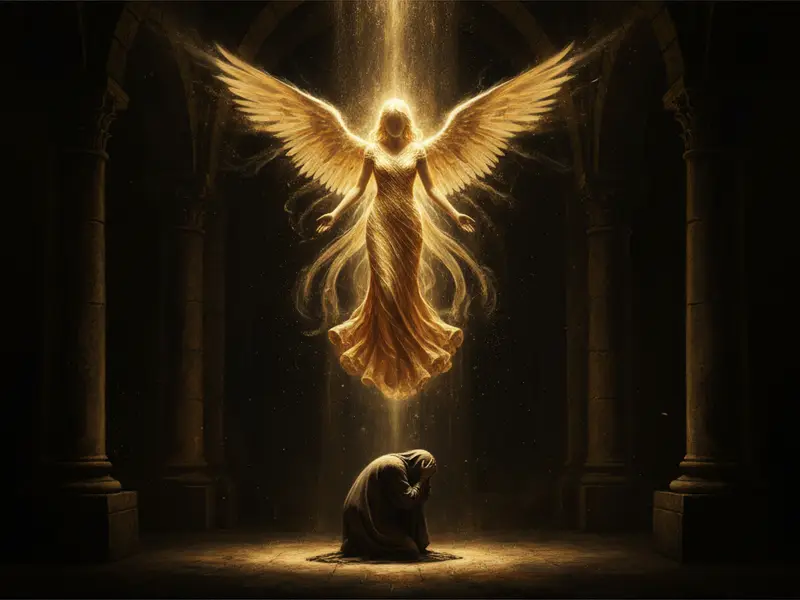
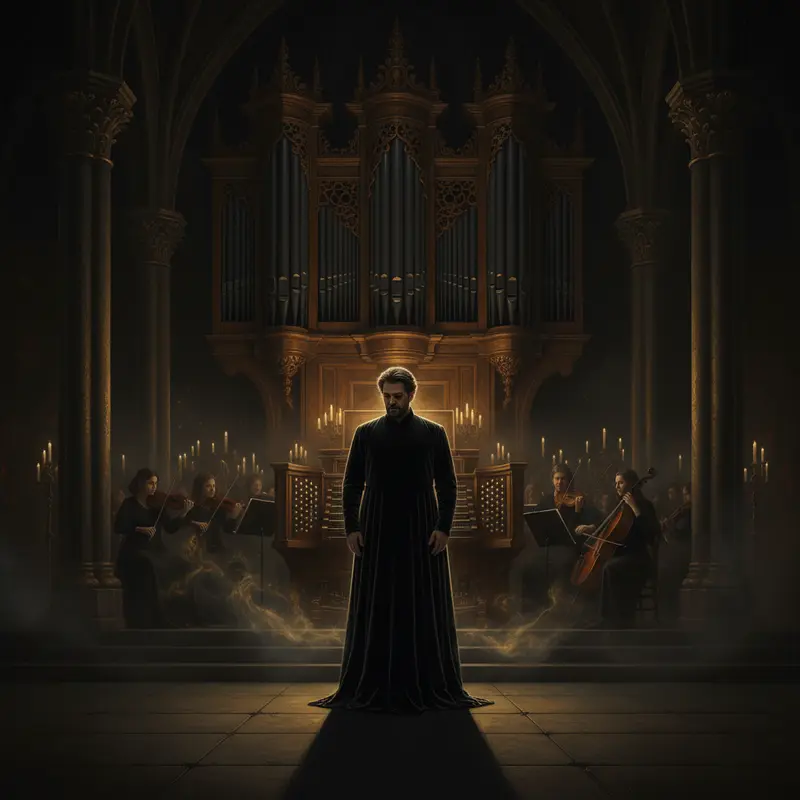
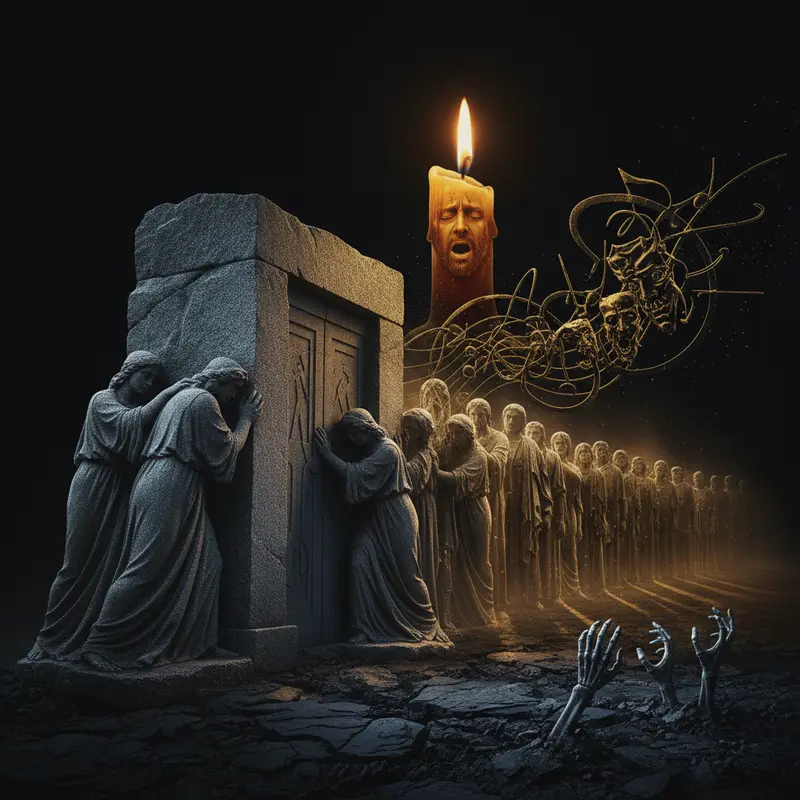
A sacred aria poised at the doorway between this world and the next, neither leaving nor arriving. Voss sustains long, candlelit phrases over an organ-shadowed orchestra, the voice itself becoming a kind of supplication.
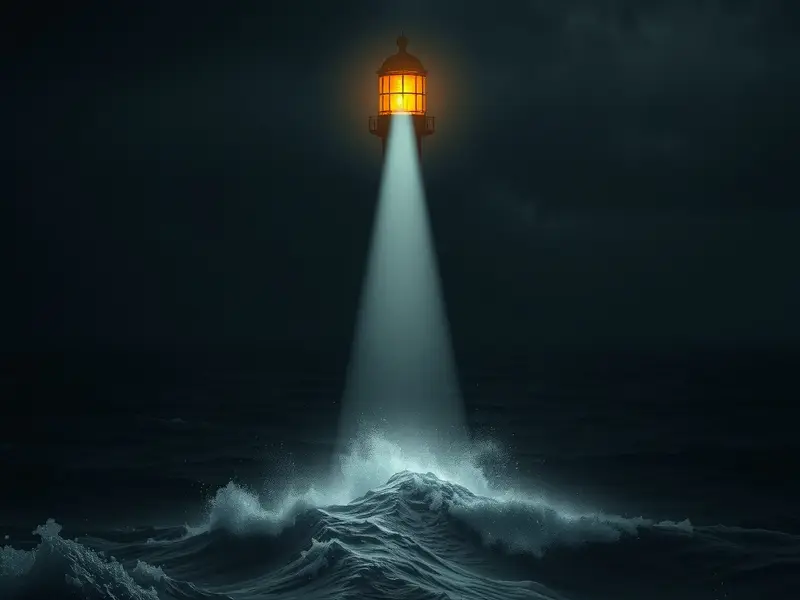
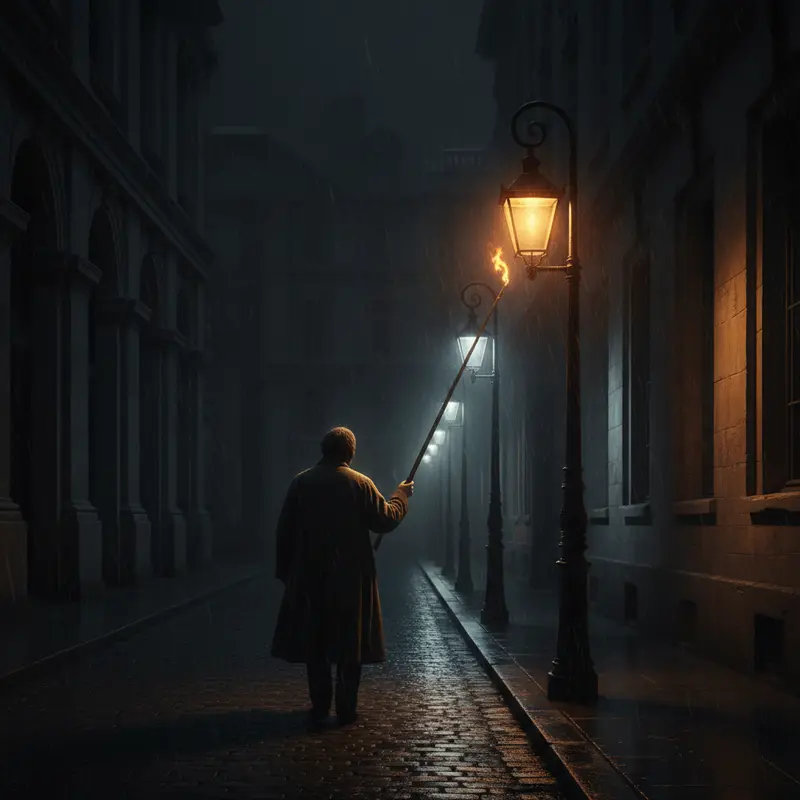
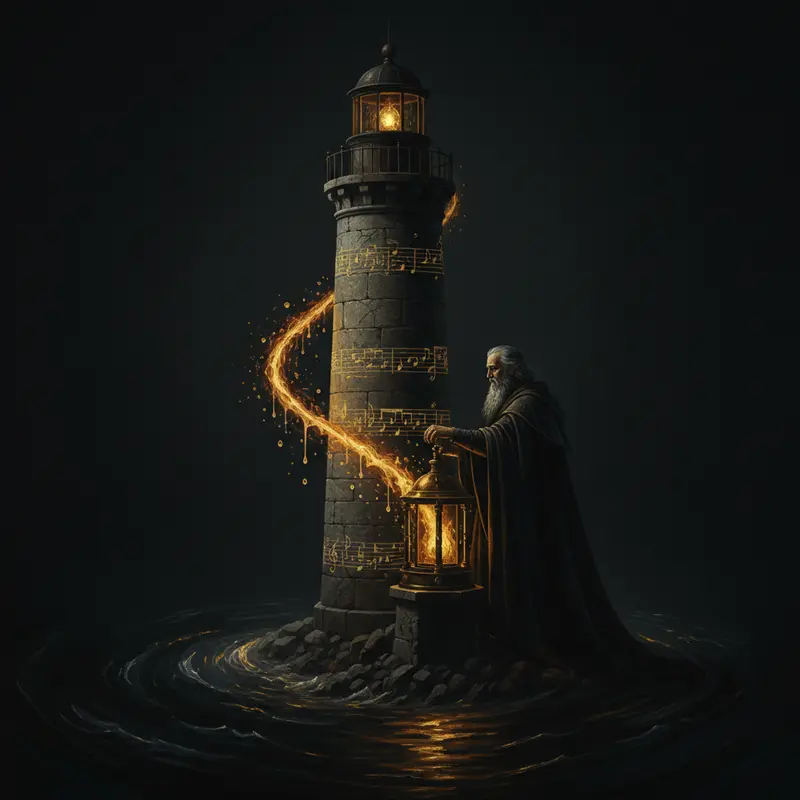
A dramatic ballad of the final man tending a light no ship will ever need again. Surging strings mirror the sea while Voss's baritone holds the beam steady through verse after verse of magnificent obsolescence.
A concentrated Lied for the last grey hour of dusk, when colour drains from the world and only sound remains. Brief and exact — Hugo Wolf's shadow falls across every weighted syllable.
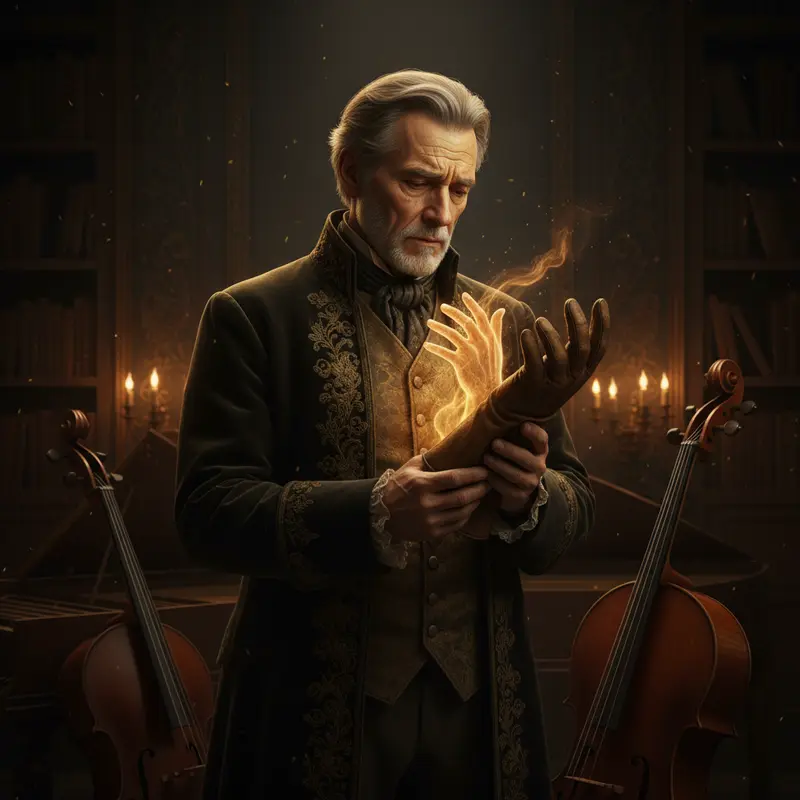
An art song built from words written but never delivered, sealed in a drawer for decades. The piano turns each phrase like a page, and Voss reads the unsent confessions with devastating restraint.
Named for the sleepless hour before dawn when fears arrive uninvited, this dramatic aria descends into the baritone's darkest register. The orchestra prowls beneath a voice that refuses to look away from itself.
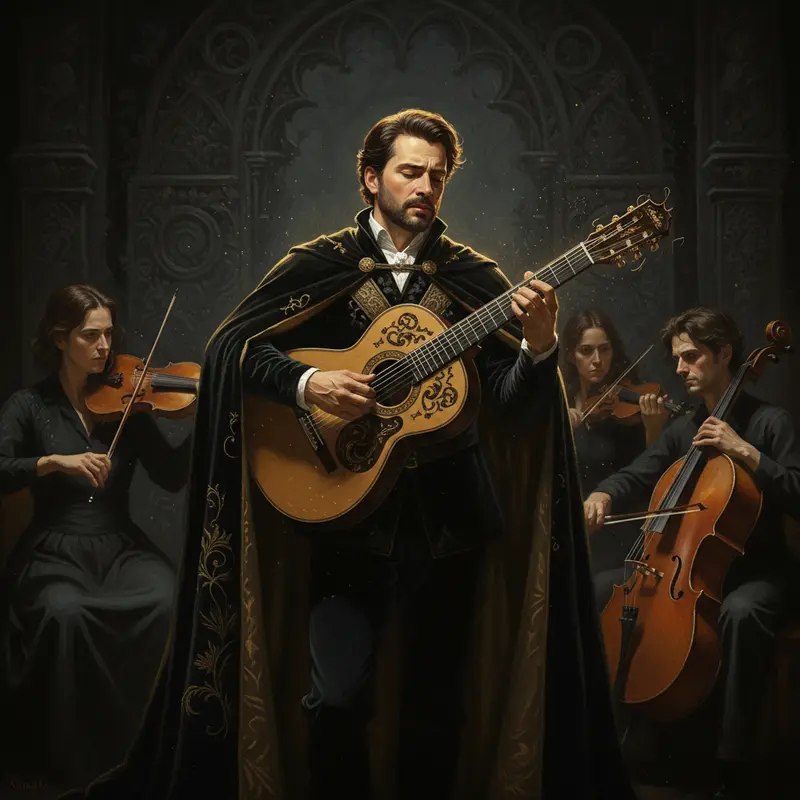
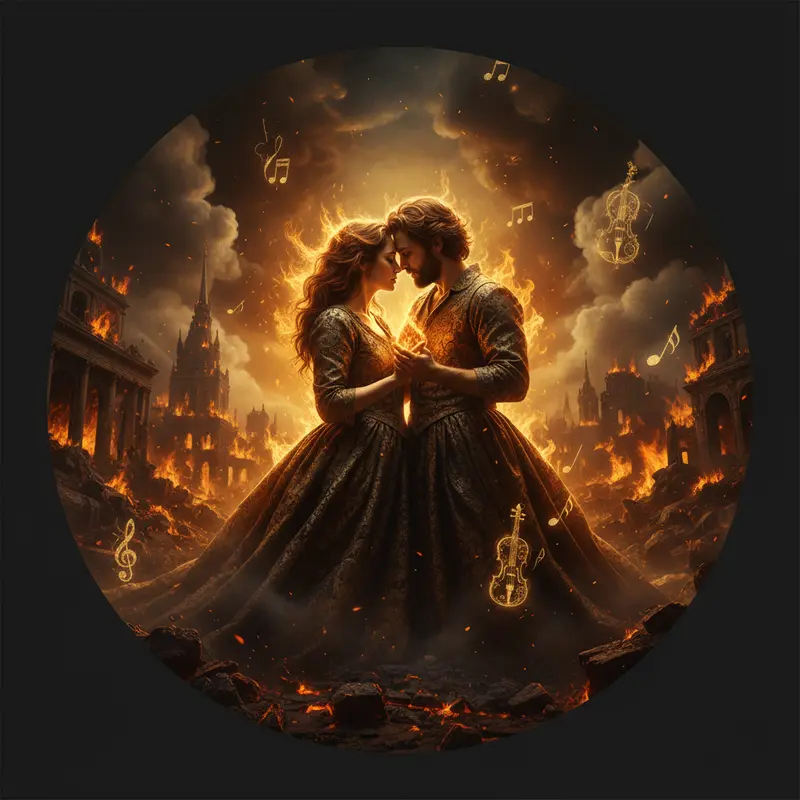
A southern-tinged song for baritone and solo guitar, smouldering with the heat of a country burned into memory. Voss colours the line with restrained flamenco shadow, mourning a place that exists now only in its embers.
An oratorio duet imagining two rivers that run separately for a hundred miles before joining at the sea. Voss's grounded baritone and Laurent's soaring soprano flow apart and together with the inevitability of water finding water.
A romantic duet set at the precise moment day folds into evening, when two voices can briefly meet in the same uncertain light. Verdi's warmth colours the orchestral surge as the baritone and soprano lines circle toward union.
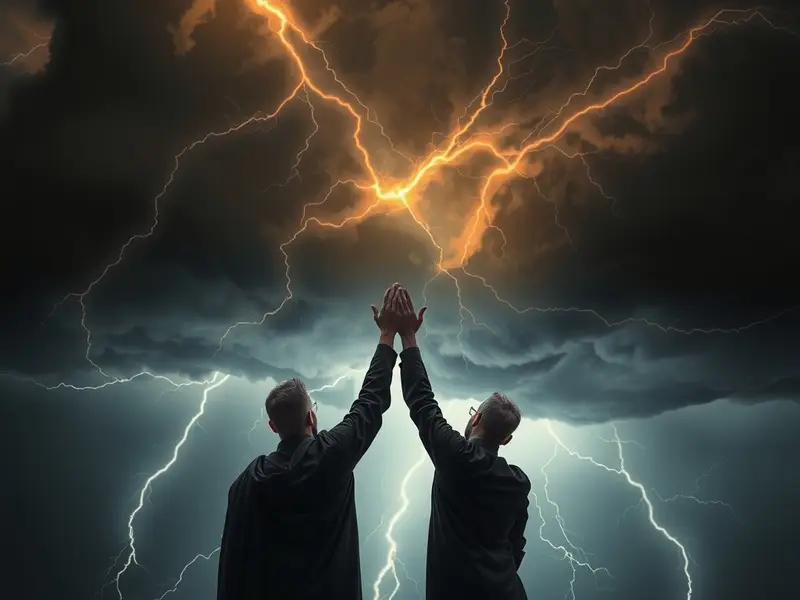
A turbulent dramatic duet in which two voices swear an oath that can only be kept inside the storm that threatens it. The orchestra thunders while Voss and Laurent forge a pact of magnificent defiance, line answering line.
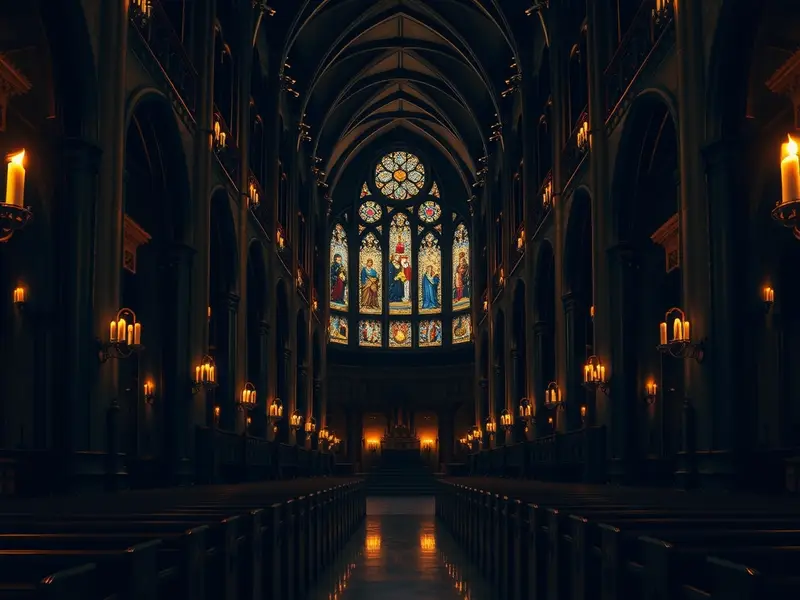
A sacred antiphon for nightfall, the two voices answering each other across a darkening nave like call and response at the close of day. Choir-shadowed orchestration lifts baritone and soprano into hushed, alternating prayer.
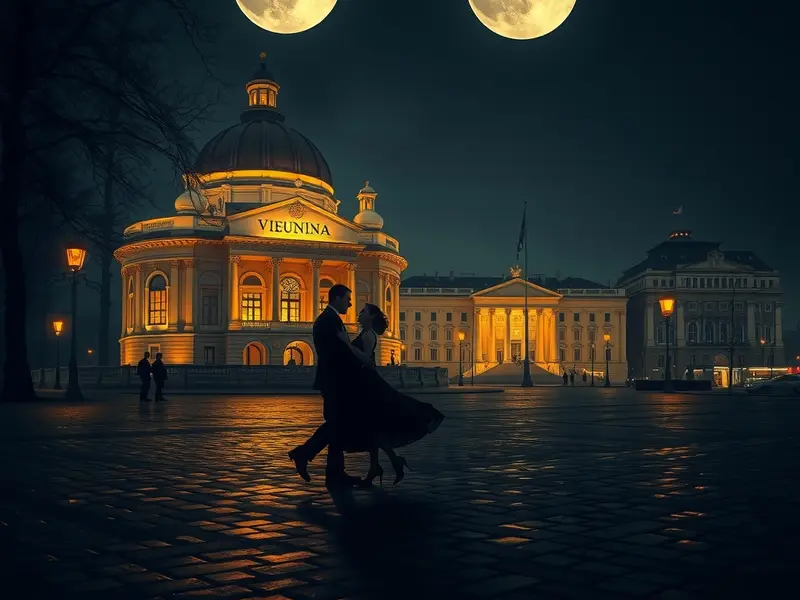
A waltzing romantic duet beneath an impossible double moon over an imagined Vienna. The orchestra lilts in three while Voss and Laurent trade verses with old-world elegance, their voices waltzing closer with each turn.
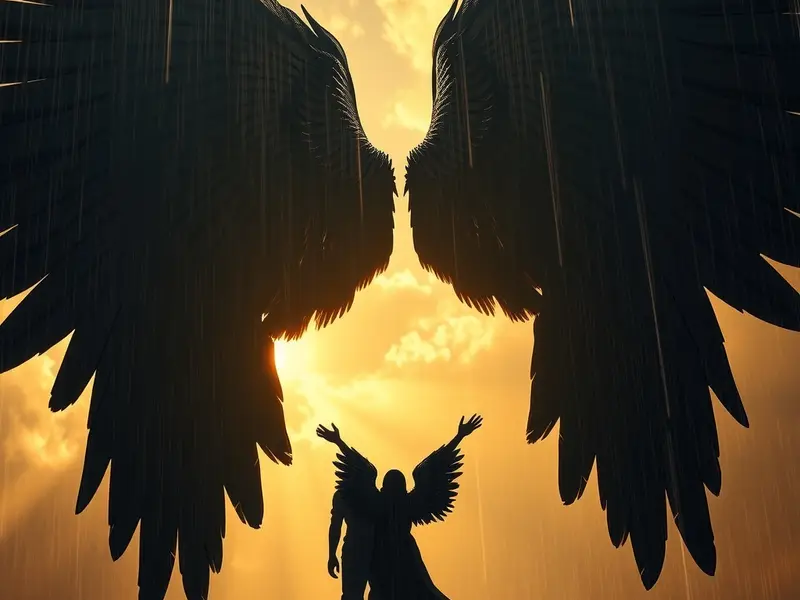
An oratorio duet on the cost of flight — what must be carried, and what must be released, to rise. Soprano and baritone ascend in interlocking lines over a vast orchestral updraft, each voice both the wing and the weight.
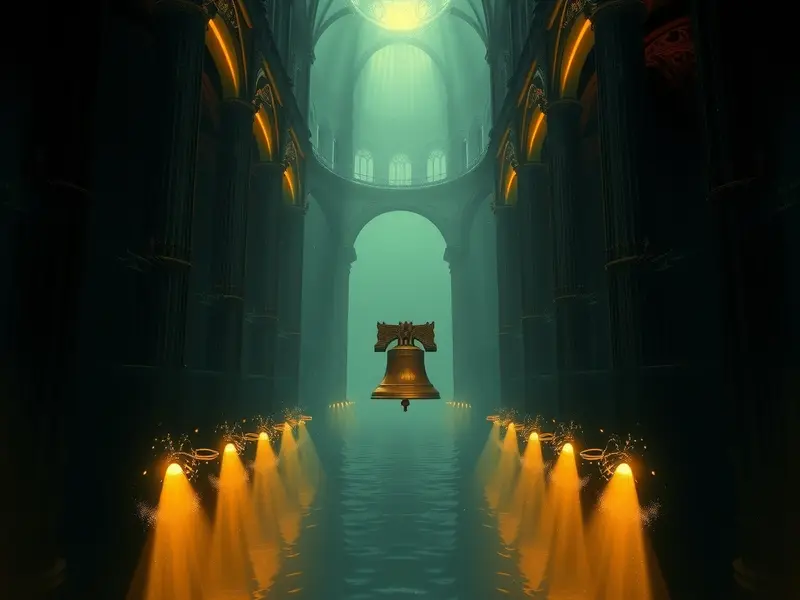
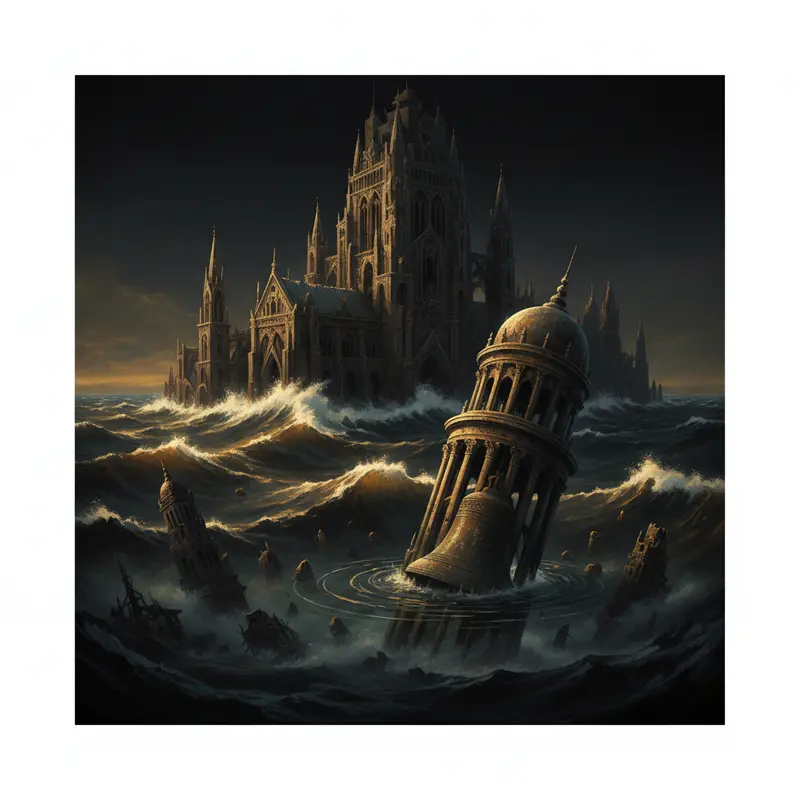
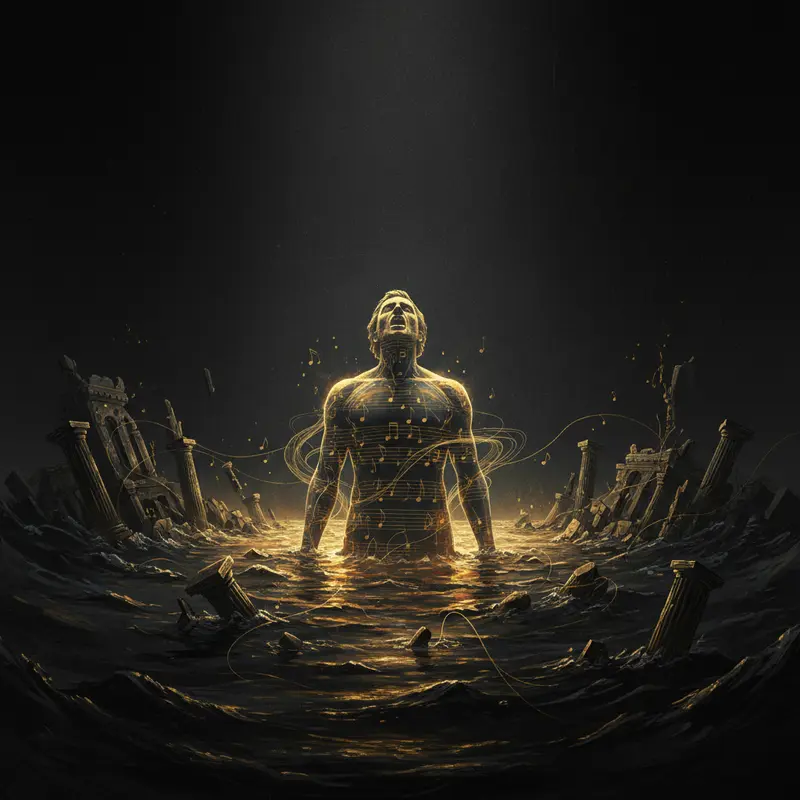
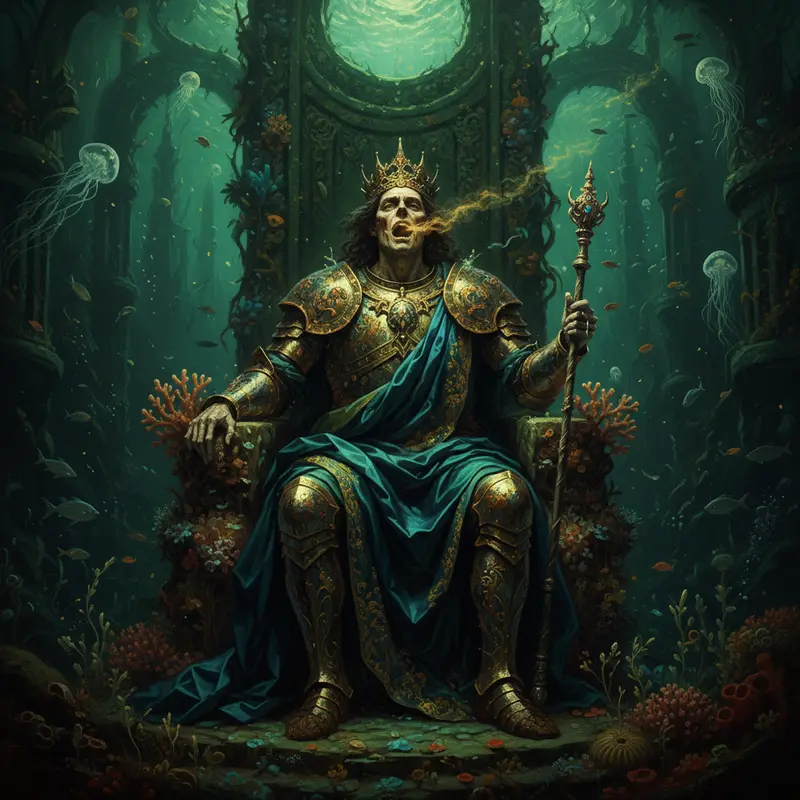
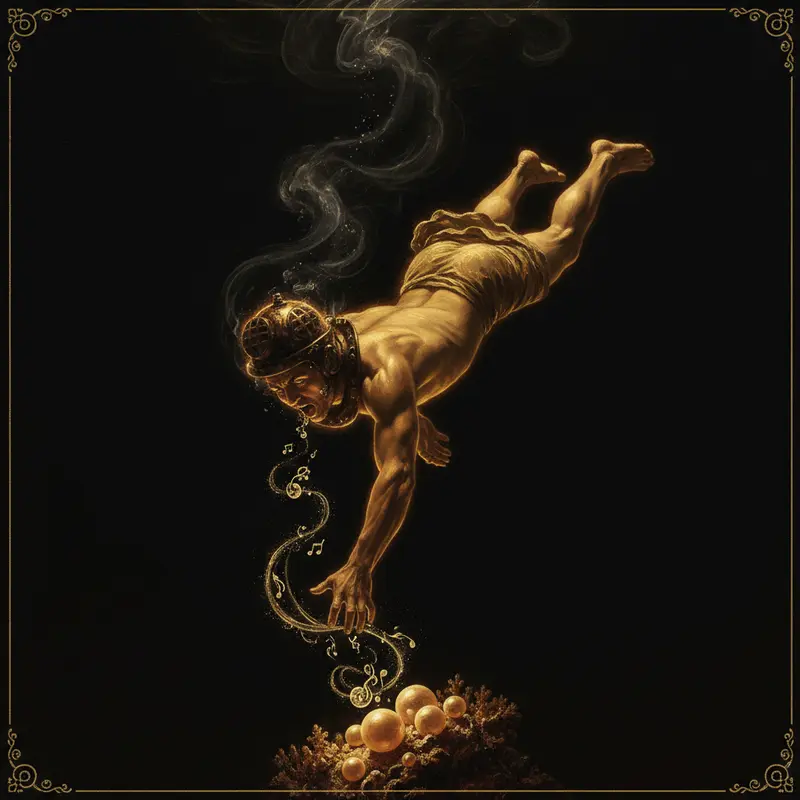
A symphonic poem charting the slow submersion of a cathedral beneath a rising sea, its bells still tolling underwater. Embedded baritone passages surface from the orchestral depths like a voice heard through fathoms of green water — Voss's most architecturally ambitious canvas.
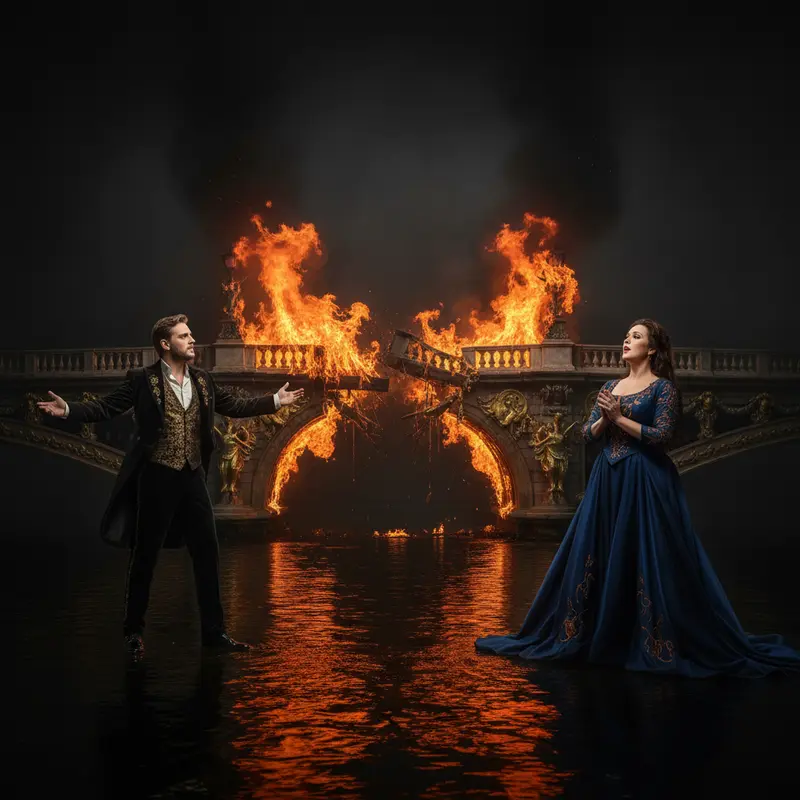
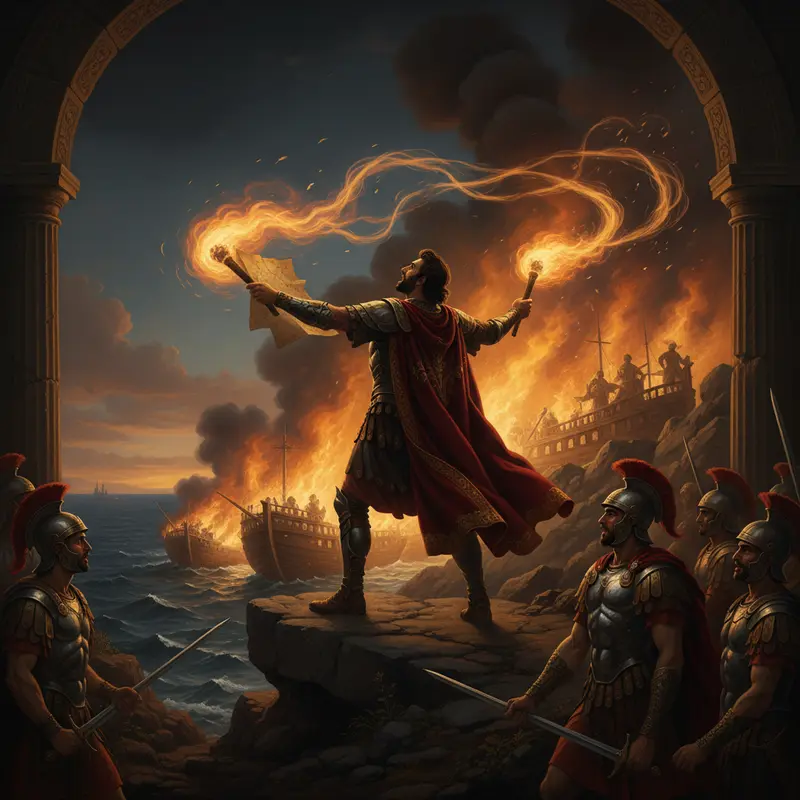
An epic orchestral work depicting the night a great library burned and a civilization's memory rose as smoke. The orchestra ignites by degrees while baritone passages recite the names of lost books, building to a conflagration of devastating grandeur.
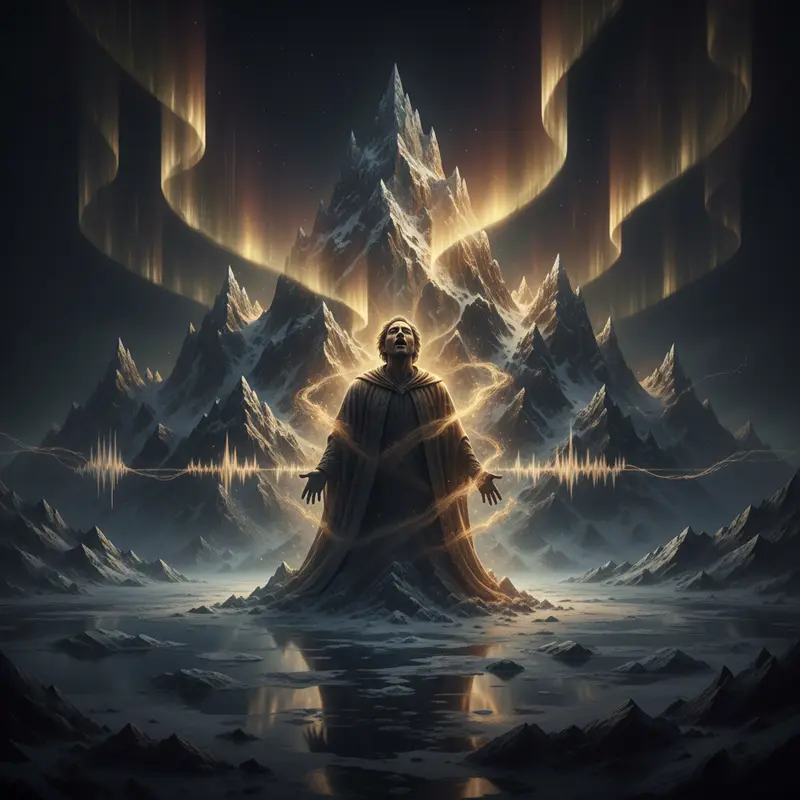
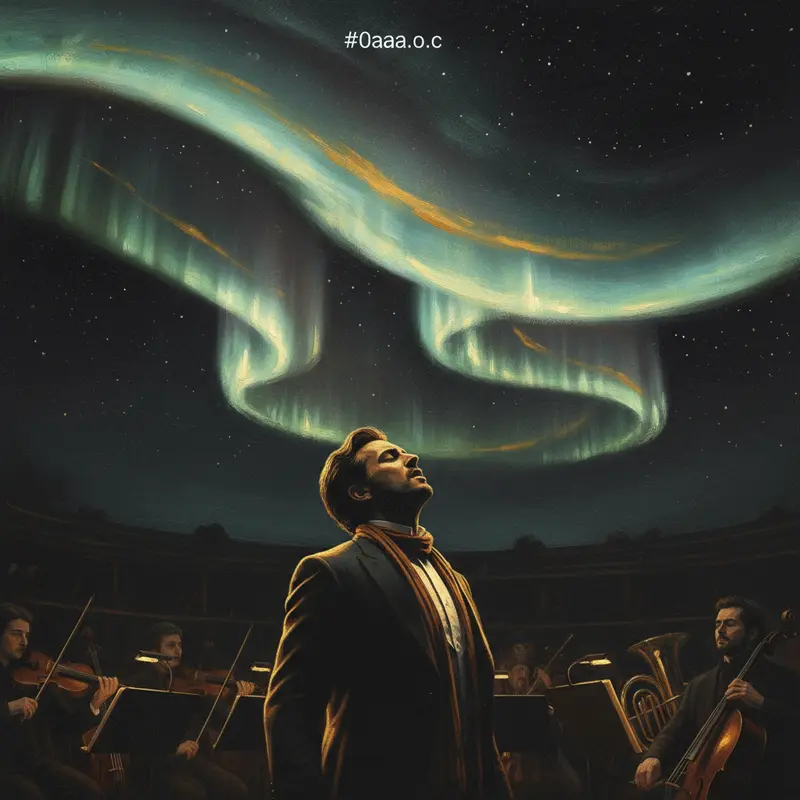
A northern symphony painting the aurora's slow ignition across a polar sky, scored for full orchestra and wordless baritone. The voice becomes the light itself — folding, rippling, and blazing — in a hymn to the cold sublime.
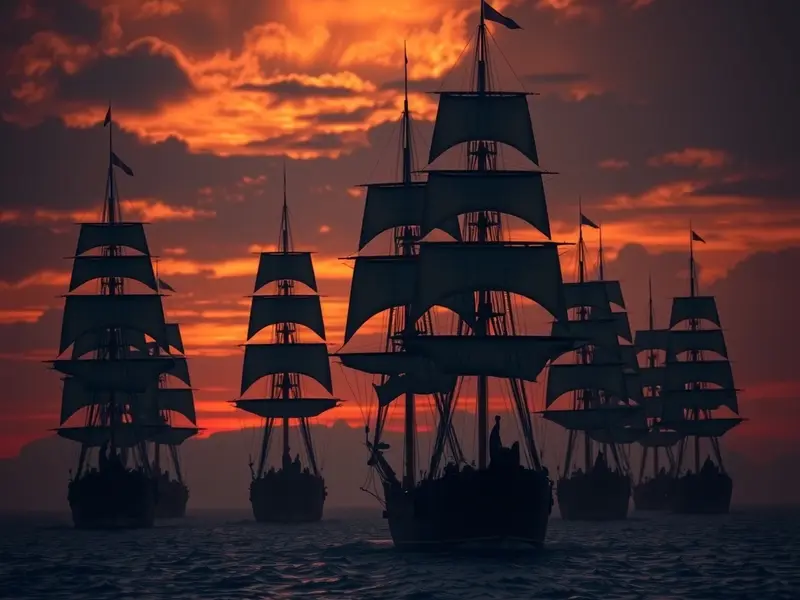
A requiem mourning the death of an entire age — the last great sailing ships passing into history. Baritone solo rises over a choir-shadowed orchestra in a Brahmsian farewell of immense solemnity, the sea itself the congregation.
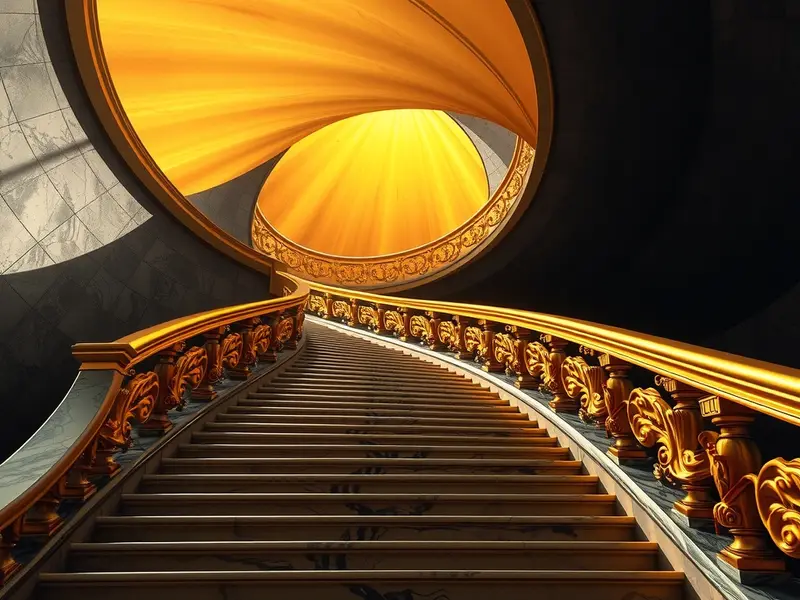
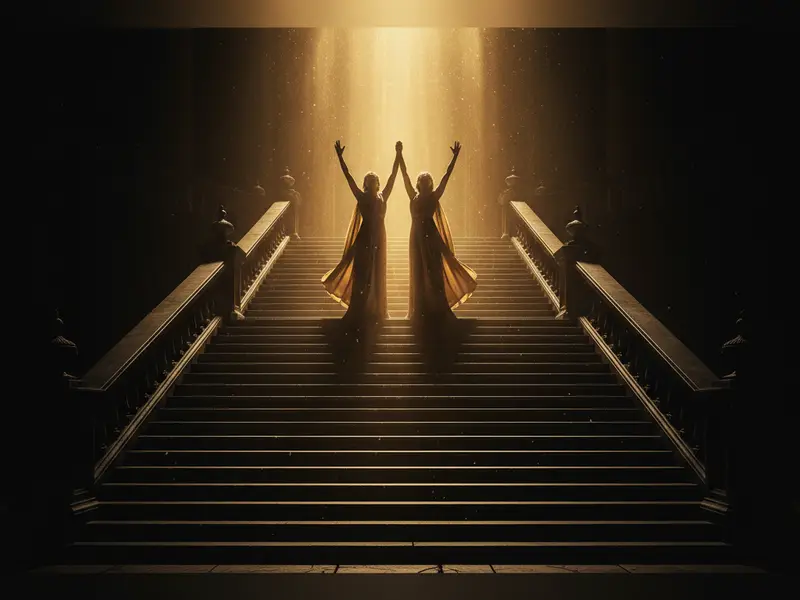
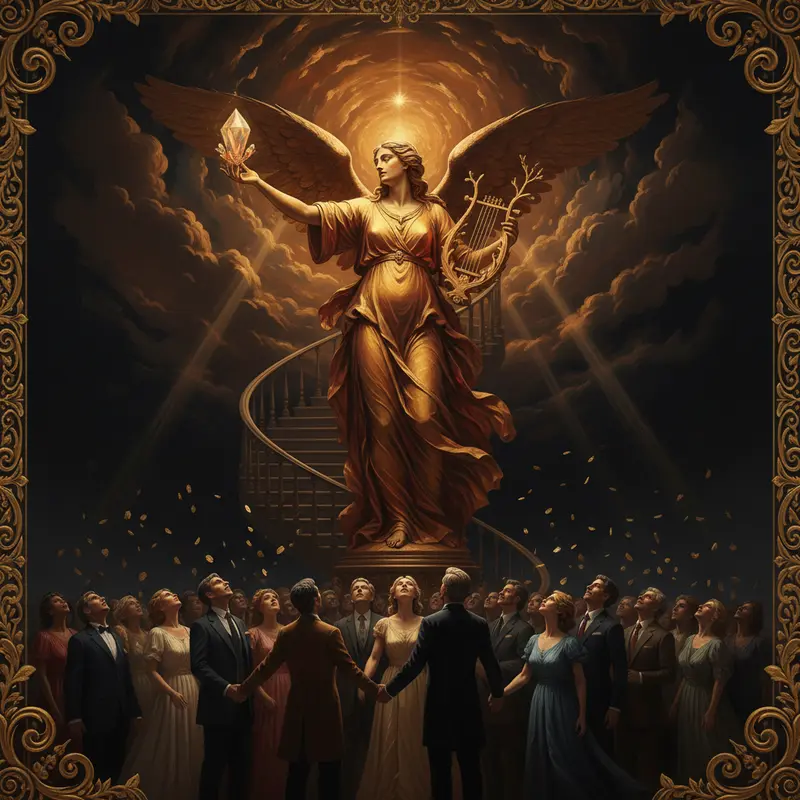
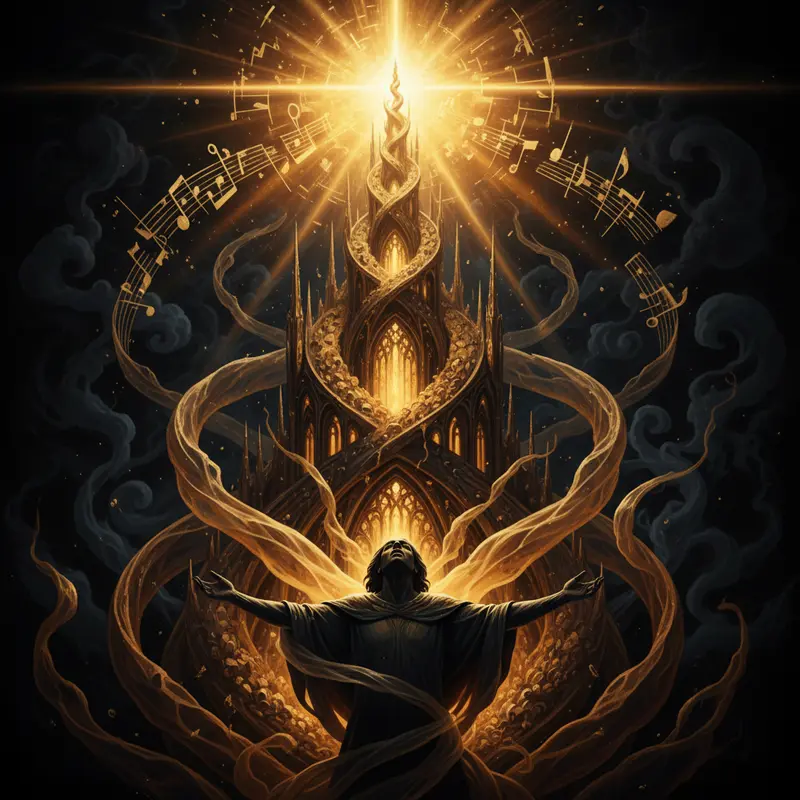
Voss's most monumental statement — an ever-ascending orchestral structure modelled on a staircase with no final step. Baritone passages climb in unending sequence over Brucknerian terraces of brass, contemplating an ascent that is its own destination.
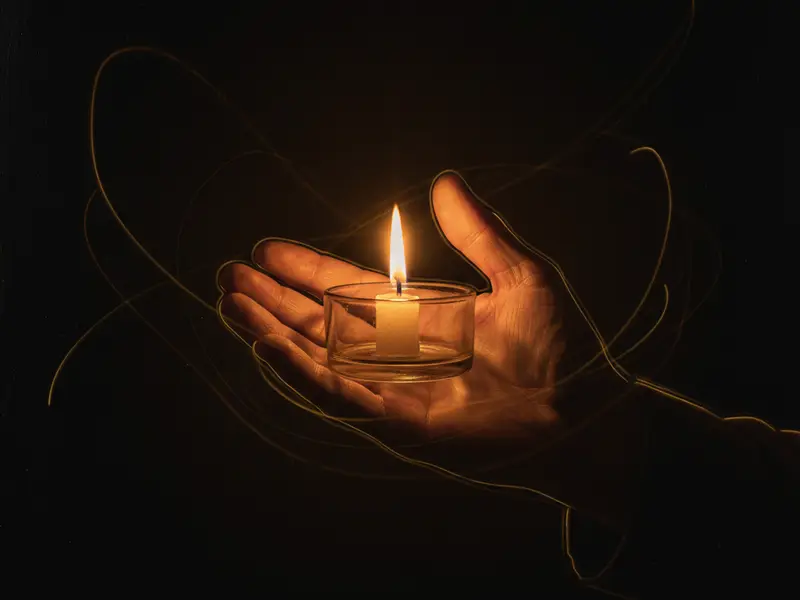
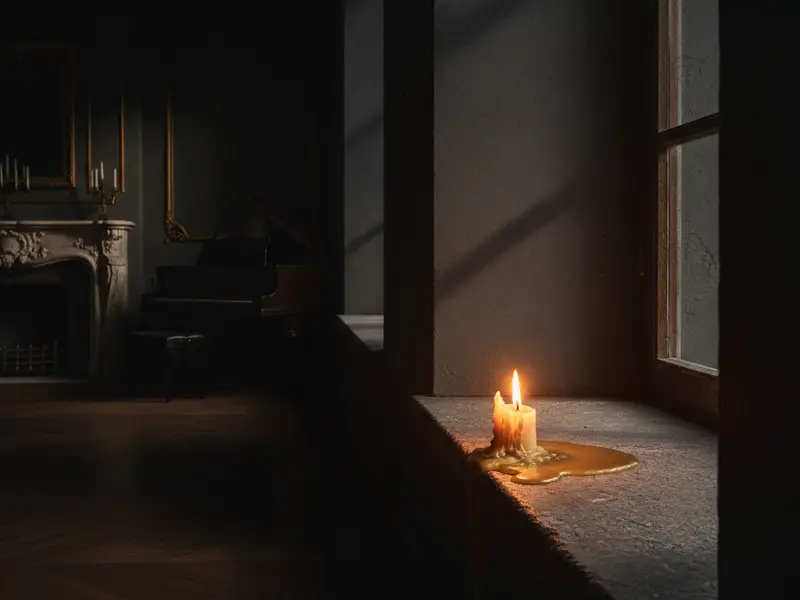
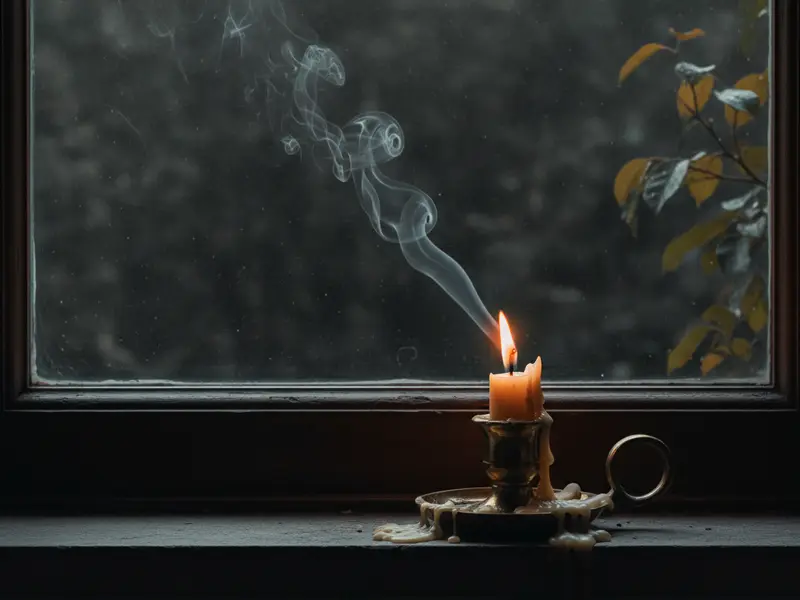
The cycle opens in luminous E major with the lighting of a single votive candle — the one flame from which all others will be kindled and, in turn, lost. Voss sets out as a pilgrim of the dark, the piano carrying the four-note lamp motif that will haunt every song to come.
A nocturne for the hour when the candle steadies and the house falls silent, the harmony already sagging a third below the opening song. The lamp motif leans and recovers in the right hand while Voss keeps the long Fauré-like legato unbroken across the bar lines.
The cycle's first variation-form: a passacaglia built on a descending four-bar ground that circles like the turning of a dark year. Over its relentless return Voss layers the failing of a dying star, the voice rising in successive variations as the harmonic floor sinks beneath it.
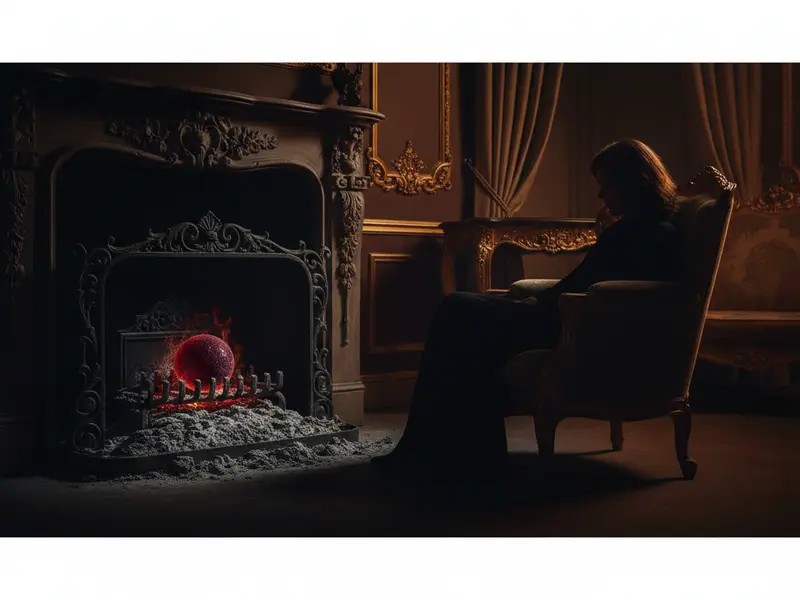
A brief arioso for the last coal in a dying grate, its red eye watched until it greys. Half-spoken in the manner of Wolf, the line refuses melody at the moment of greatest tenderness, letting the piano's banked chords do the burning.
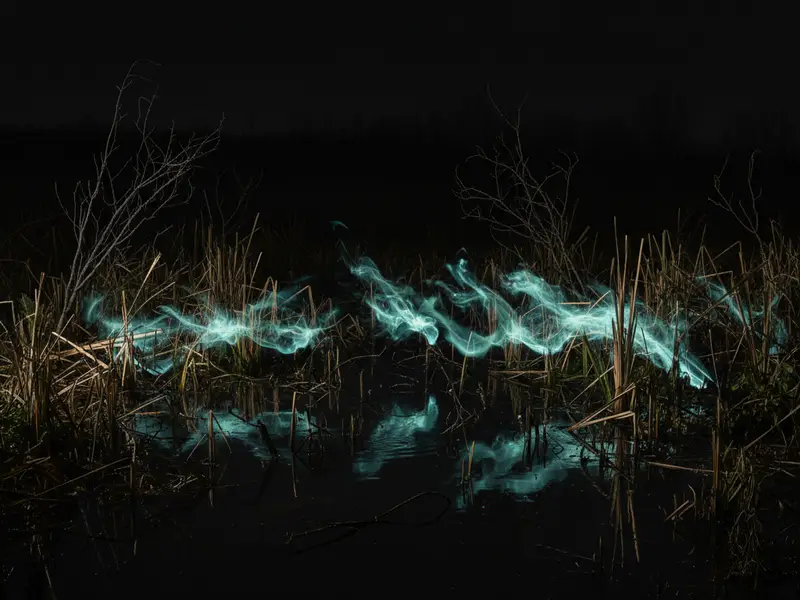
Foxfire over a midnight marsh — the cold, sourceless luminescence of decay mistaken for a guiding lamp. The harmony slips into a Mussorgskian modal pallor here, open fifths under a voice lured deeper into the dark by a light that warms nothing.
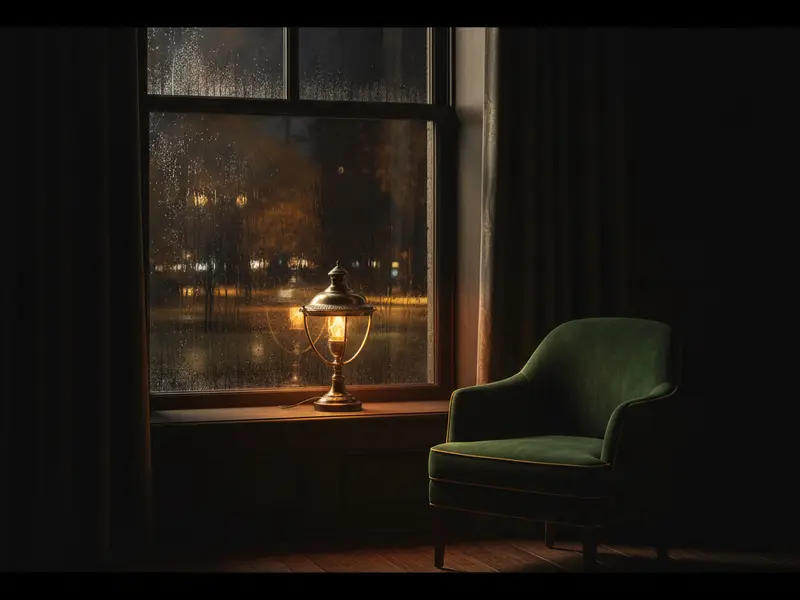
The interior heart of the cycle — an intermezzo in the late-Brahms manner, autumnal and harmonically saturated, where the singer pauses to remember a lamp once lit for someone now gone. The lamp motif appears here in full inversion, the flame turned downward into memory.
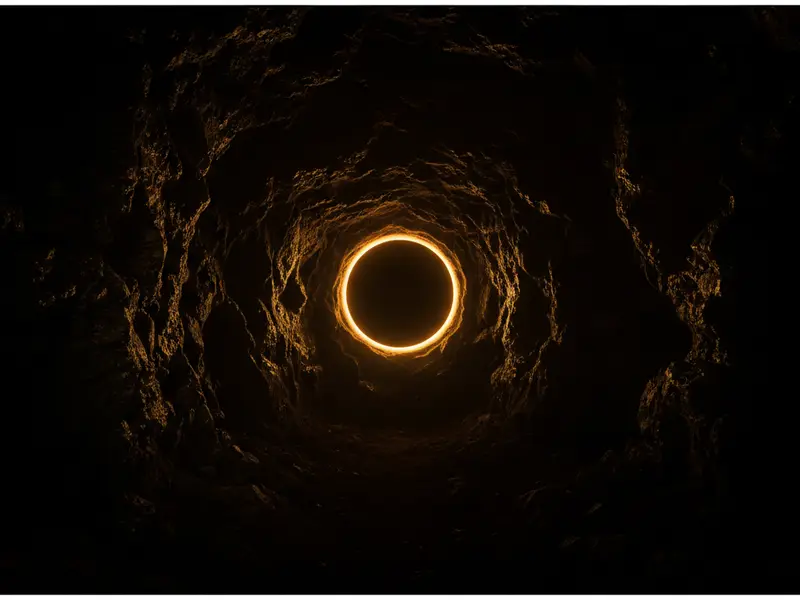
The cycle's central threnody and its first dance of death, after Mussorgsky — a miner's lamp extinguished far underground, sung as a grim trudging measure. Open fifths and a flattened second toll under the voice as the darkness of the shaft becomes the darkness of the grave.
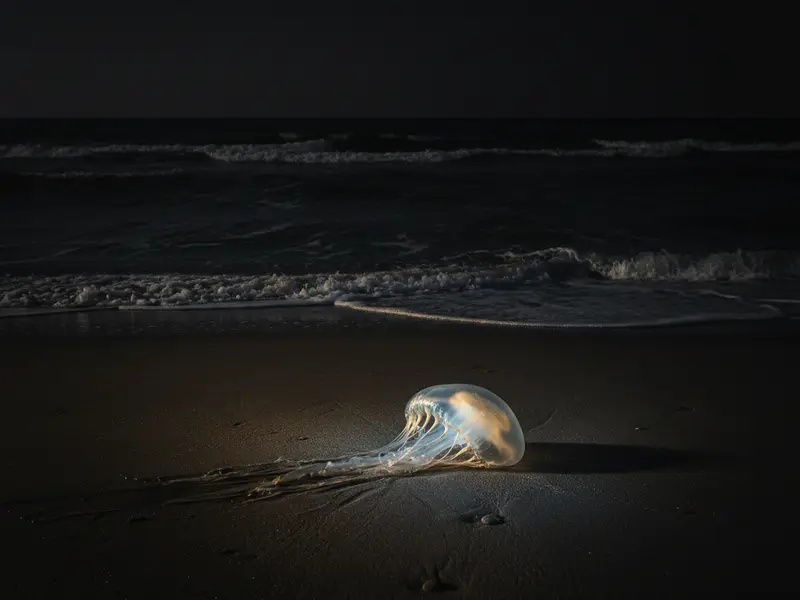
A berceuse sung to the bioluminescence of a jellyfish stranded by the ebbing tide — a lullaby for a light that will not survive the morning. The rocking 6/8 of the cradle-song is undercut by the saltwater certainty that the glow is already dying as it is sung to sleep.
An inverted aubade — the morning song that grieves the dawn rather than greeting it, for daylight is the death of every small flame the cycle has tended. The piano brightens cruelly toward major as the voice darkens, the two pulling apart in expressive contradiction.
The cycle's second strict variation-form: a chaconne over the lamp motif itself, now treated as a ground, the listener hearing time circle and narrow toward the end. Each variation strips away a layer until only the bare motif remains, a flame reduced to its own outline.
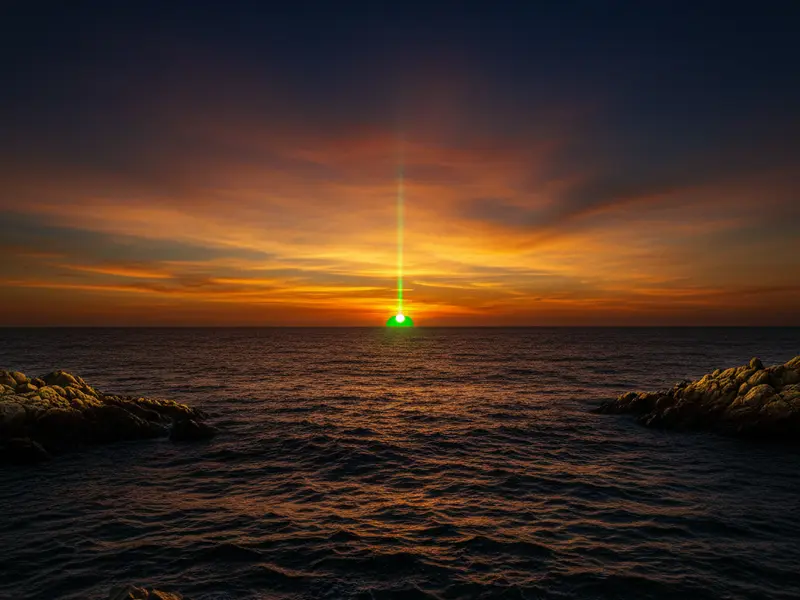
A romanza for the green flash — the single emerald instant when the sun's last rim slips below the sea horizon. Voss sets the whole song as a held breath before that flash, the harmony suspended on an unresolved Tristan-type sonority that finally, briefly, blazes green and is gone.
The cycle's dramatic crisis — an extended scena in which the singer confronts the pilot-light of a shuttered childhood house, the last flame in an abandoned home. The declamation breaks free of strict song into operatic recitative and arioso, the lamp motif screaming in inversion at the climax.
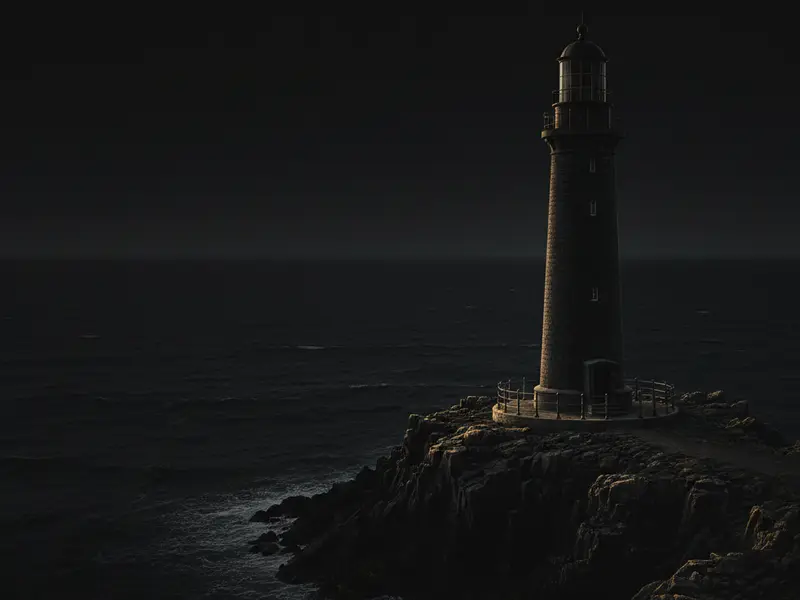
The penultimate song, an elegy returning to the lighthouse already known from Voss's earlier catalogue — the keeper's beam darkened at last, the cycle quietly acknowledging its own world. The harmony has now fallen close to the final B-flat minor, the lamp motif heard only as a shadow in the piano's lowest octave.
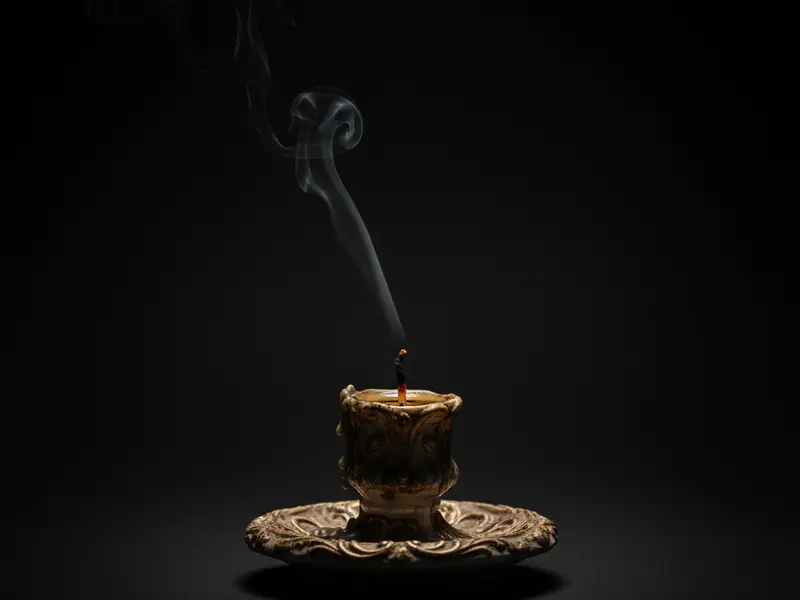
The finale — a tombeau in which the first votive candle gutters out and the music, reaching its long-promised B-flat minor, withholds the dominant so the last chord dies rather than resolves. Voss lets the voice fade beneath the piano's final breath; the lamp motif is heard once, as its own shadow, and then nothing.
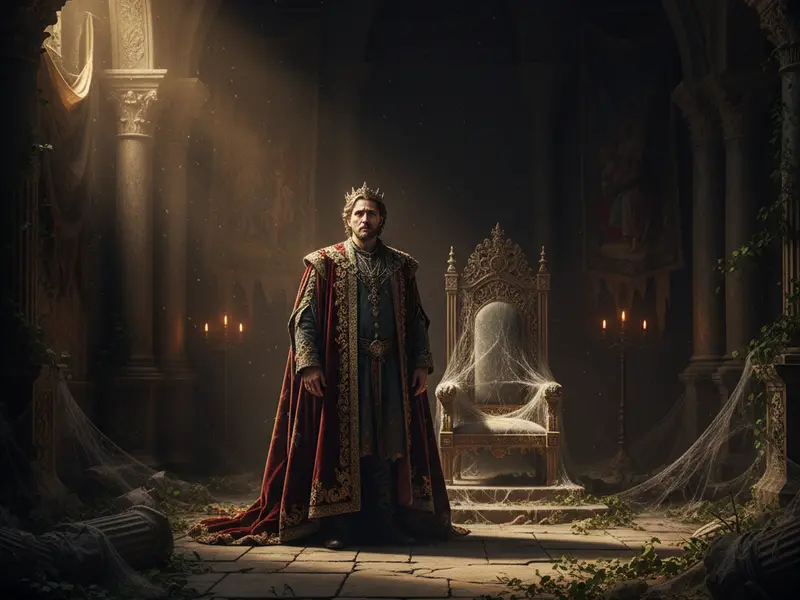
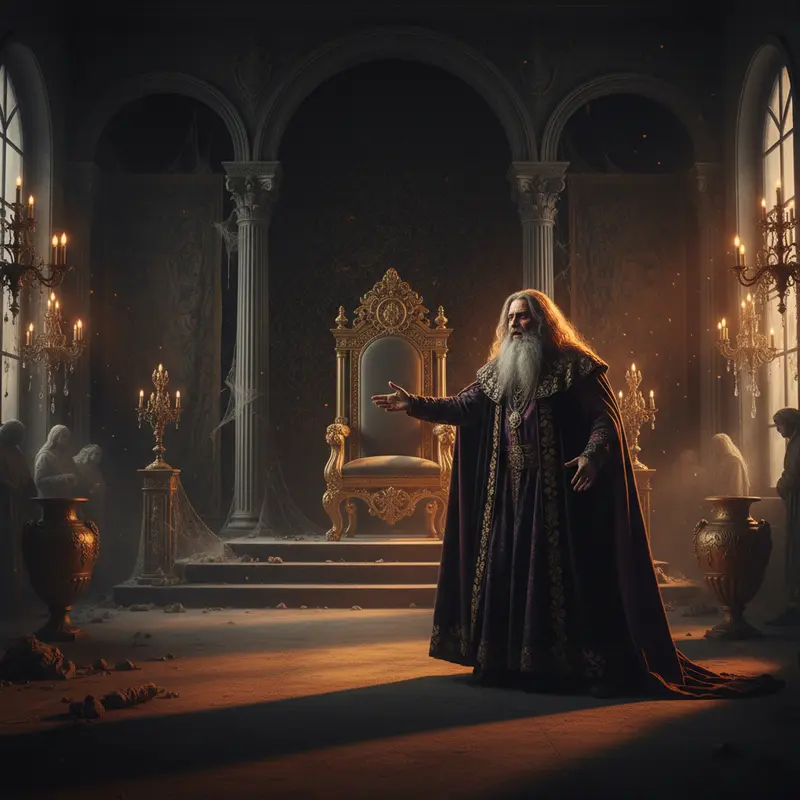
A scena for an exiled king addressing the empty throne room he can never re-enter, half memory and half delusion. Voss drives the baritone through Verdian declamation and sudden interior collapse, the orchestra-shadowed piano lurching between command and ruin.
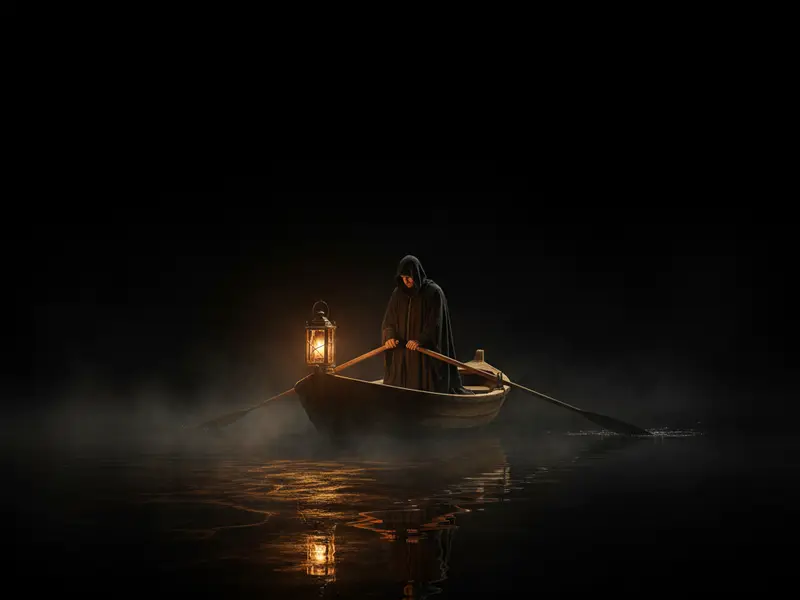
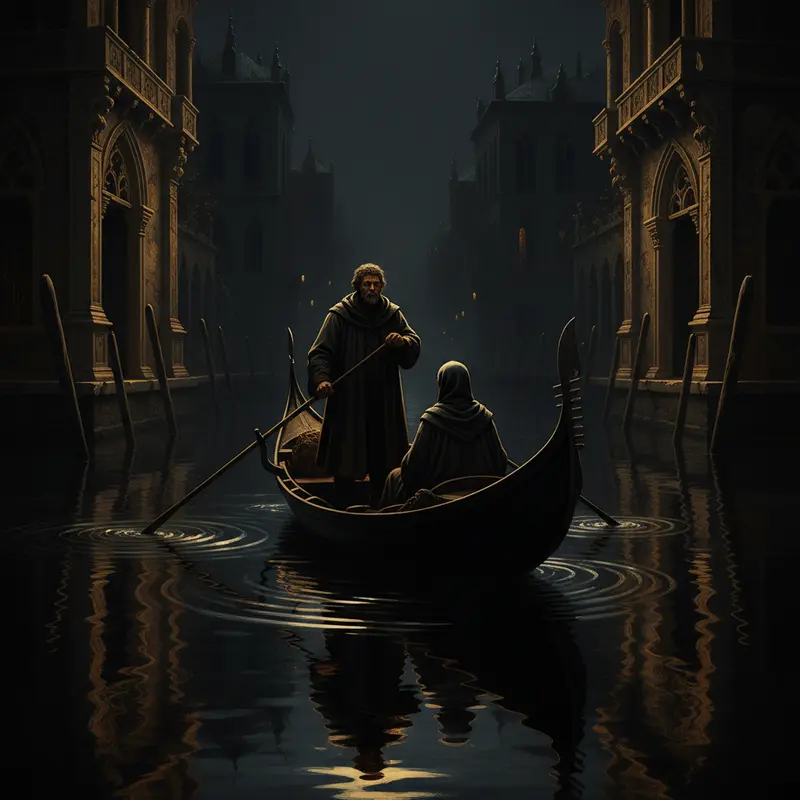
A barcarolle for a ferryman on a black river, the rocking 6/8 of the oar measuring out a crossing with no named far shore. Voss keeps the line low and lulling over a piano that laps like water against a hull, beautiful and quietly funereal.
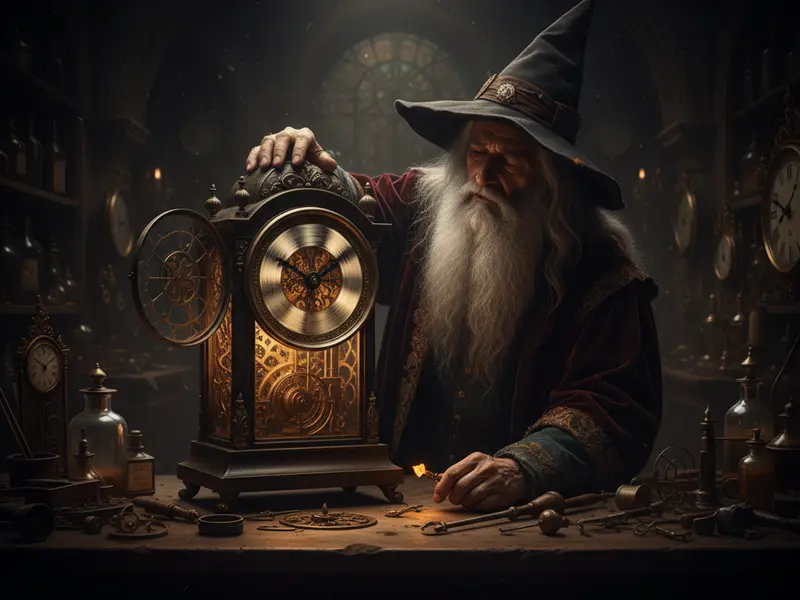
A through-composed ballade telling of a clockmaker who built a clock to run backward and undo a single hour of grief. The piano ticks and unwinds beneath a narrative line that gathers Loewe-like momentum toward its impossible, heartbreaking failure.
A lyric cavatina of pure, almost unbearable sweetness — a single sustained outpouring for a man recalling the one summer that justified his whole life. The bel canto line floats long and unhurried over the simplest of accompaniments, the orchestra-shadow held in reserve.
A baritone rhapsody after the model of Brahms's Alto Rhapsody — a wanderer's bitter soliloquy turning slowly toward consolation. Voss moves from harmonically frozen isolation to a final warm choral-textured benediction, the orchestra-shadow opening like sun on a thawing road.
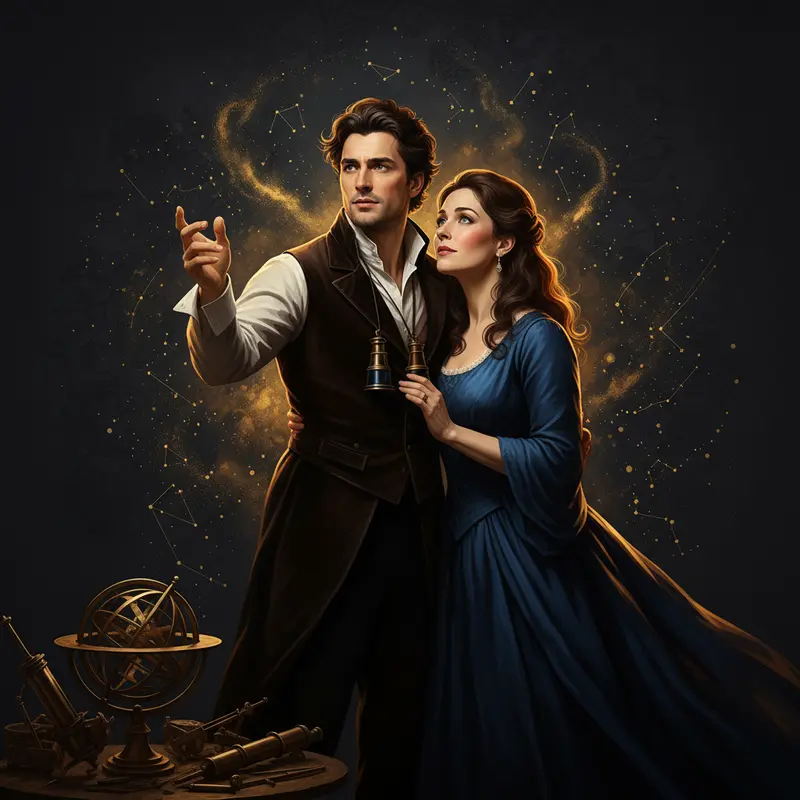
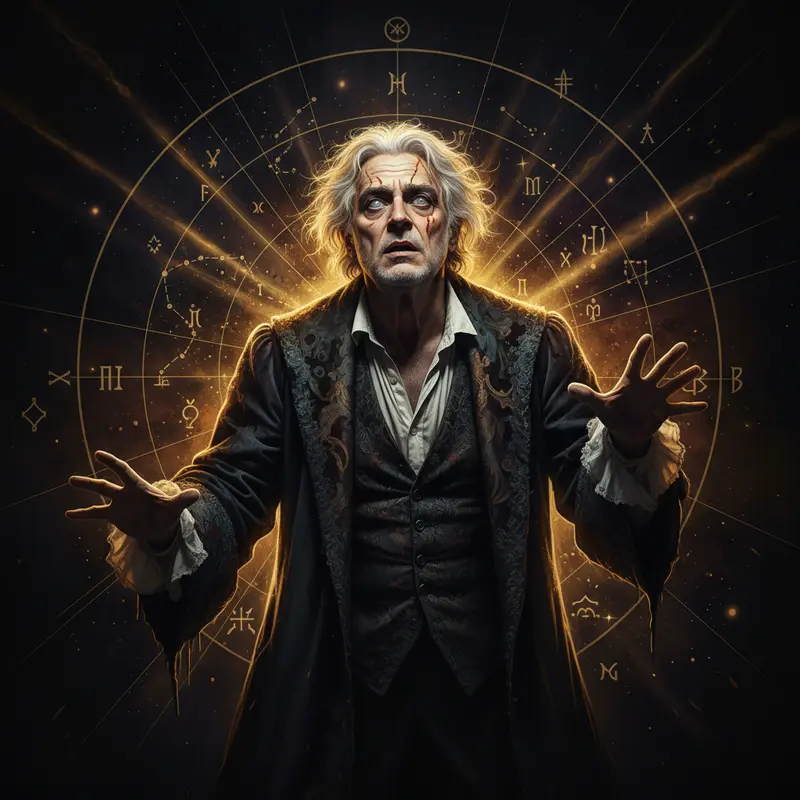
A rare baritone mad scene depicting an astronomer who has stared too long into the dark and now converses with the stars as intimates. The line fractures between lucid arioso and unhinged coloratura-shadow over a destabilised, vertiginous orchestra.
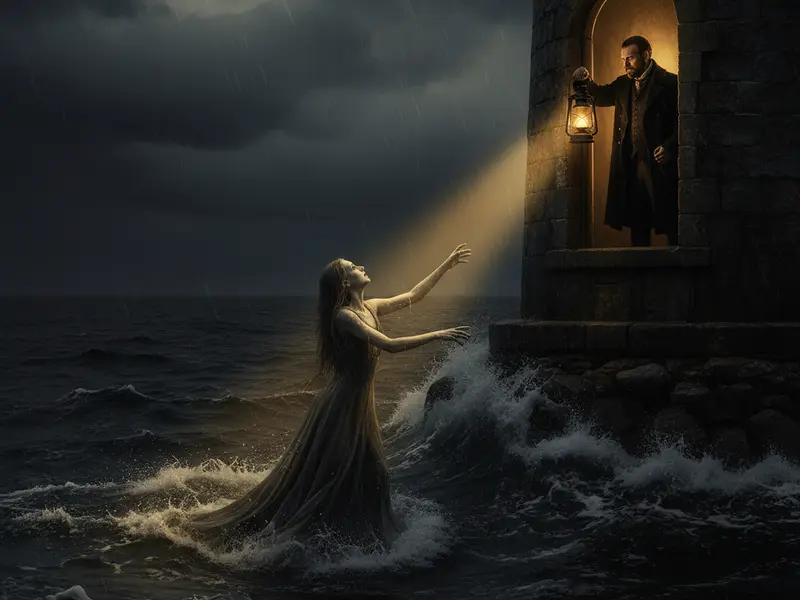
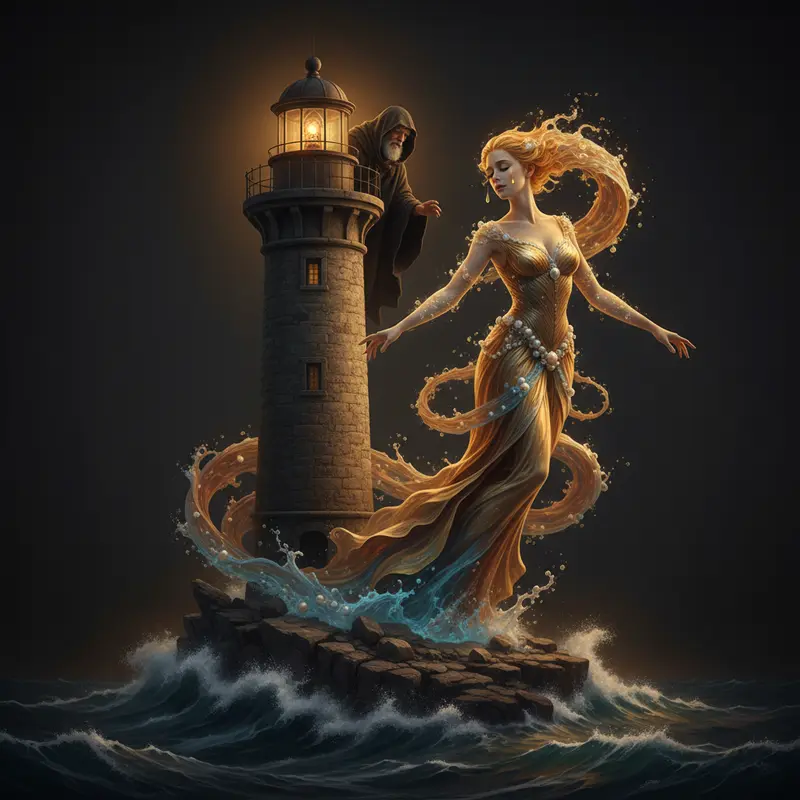
A confrontation scene between a lighthouse keeper and the drowned woman who returns each night to argue him down from his tower. His grounded refusals and her rising, beckoning line collide before the tide of the orchestra pulls them, unresolved, apart again at dawn.
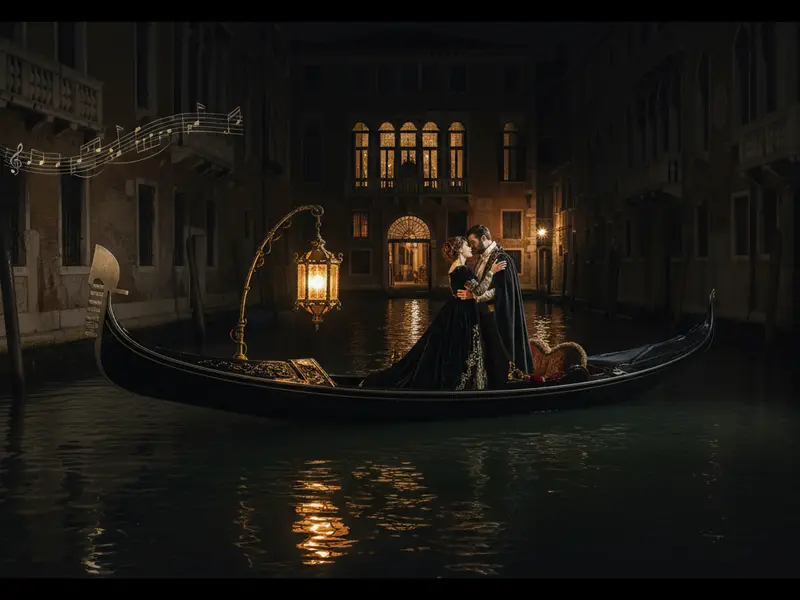
A Venetian barcarolle for two lovers in a single drifting gondola, the rocking 6/8 carrying their voices from teasing apart to twining together. Laurent's bright line and Voss's warm undertow trade the melody like an oar passed hand to hand until they merge over the lapping water.
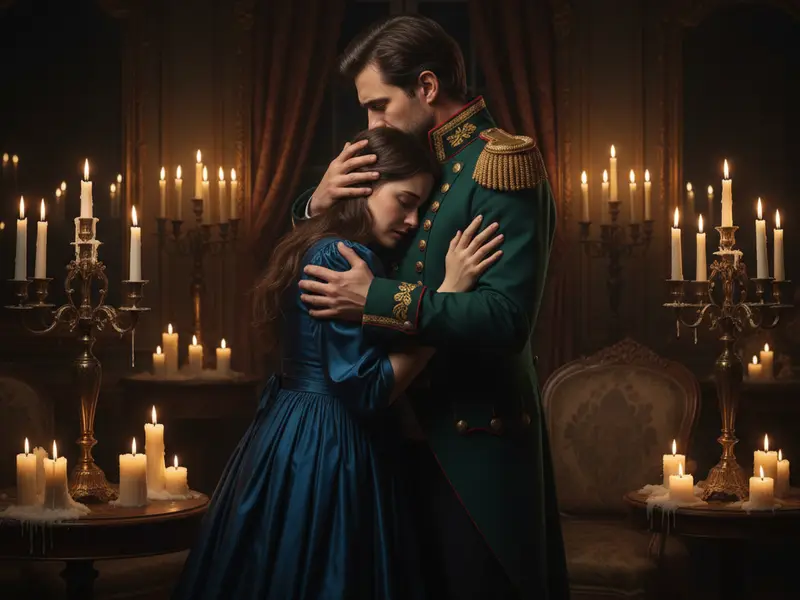
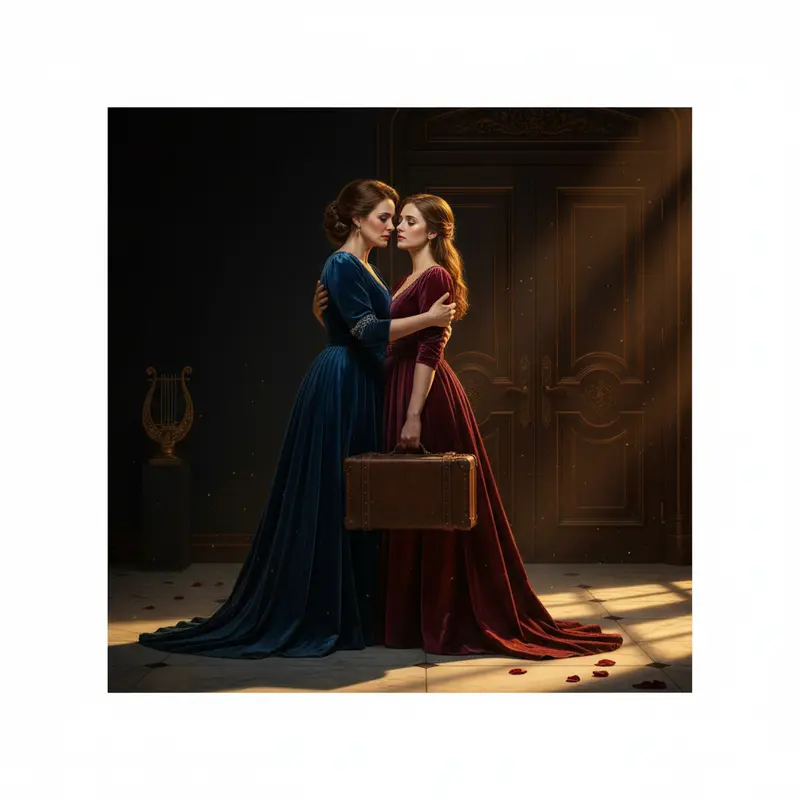
A husband and wife on the last night before a war that will take him, refusing to say the word goodbye. The duet circles through anger, tenderness, and bargaining before the two voices finally resolve into a unison they both know is a lie.
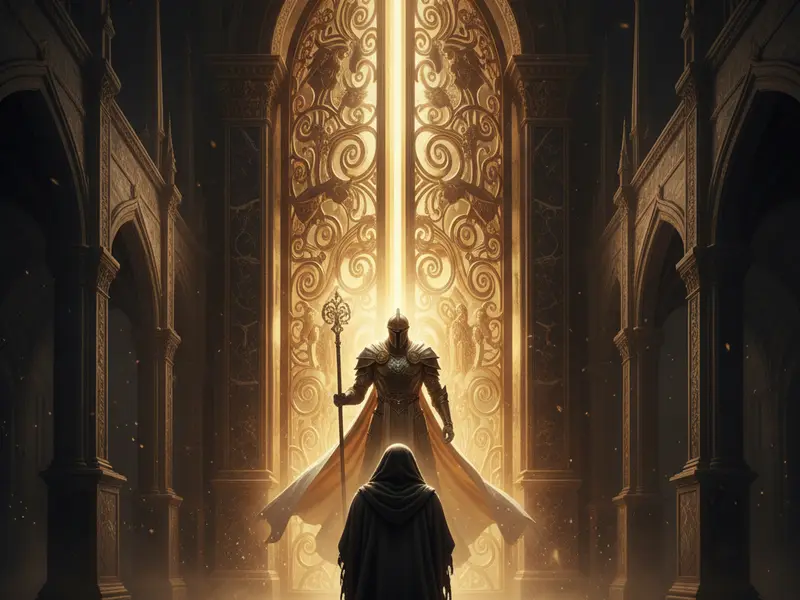
A sacred dialogue staged as a soul and its guardian arguing at the gate of judgement — the soul pleading its case, the guardian answering in implacable calm. Their lines alternate antiphonally before joining, at the verdict, in a hushed and astonished accord.
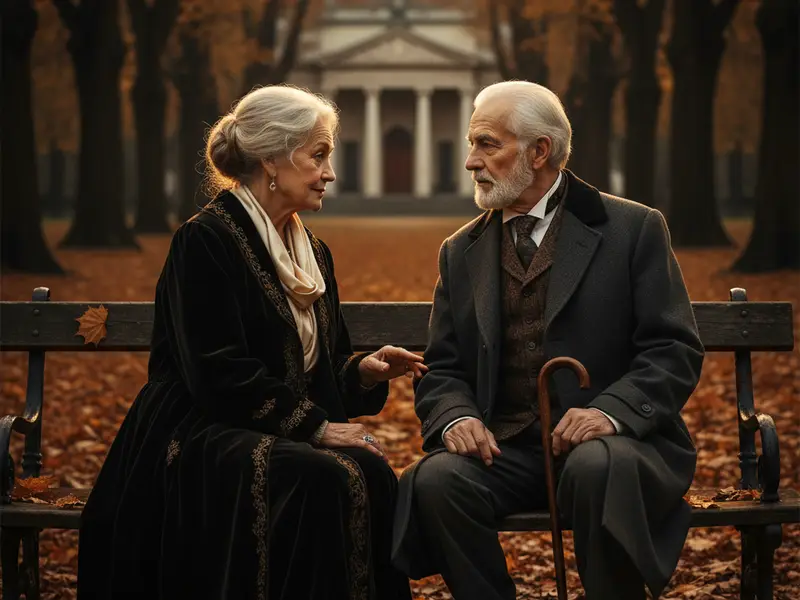
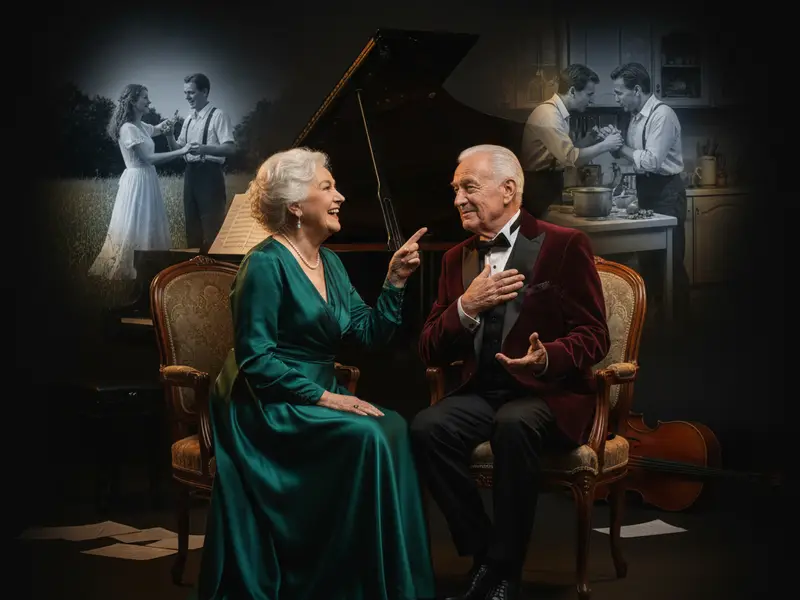
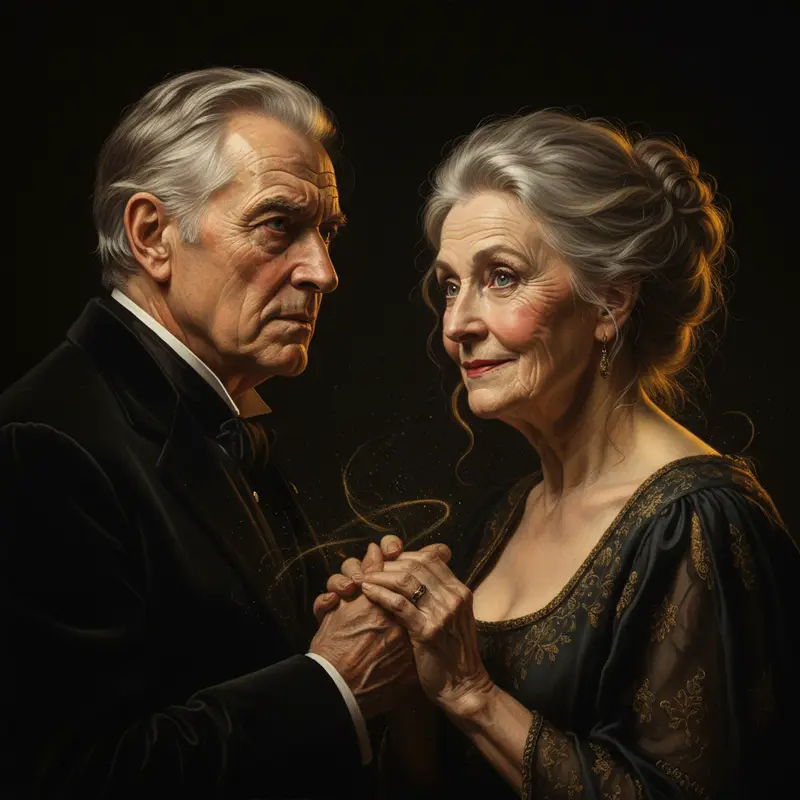
A reunion of two who loved decades ago and meet by chance in old age, each unsure the other remembers. The voices begin guarded and formal, recover their old phrases one by one, and end interlocking in the melody they once shared, warmer for the long delay.
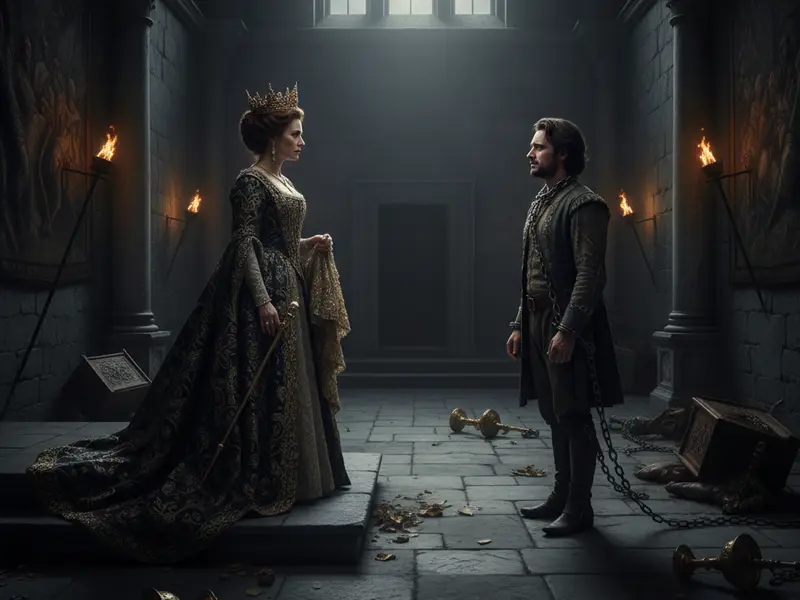
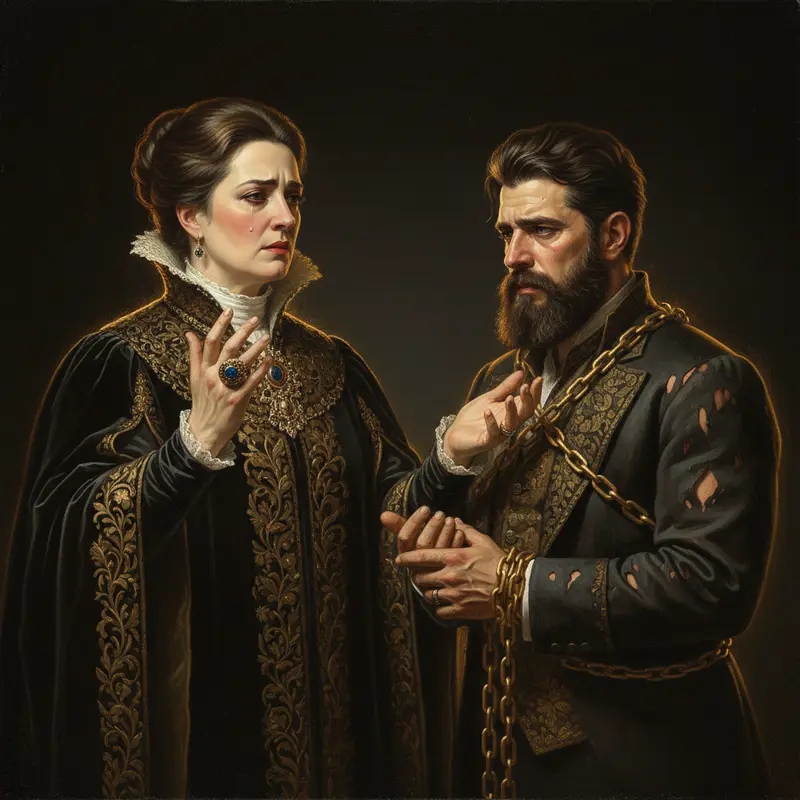
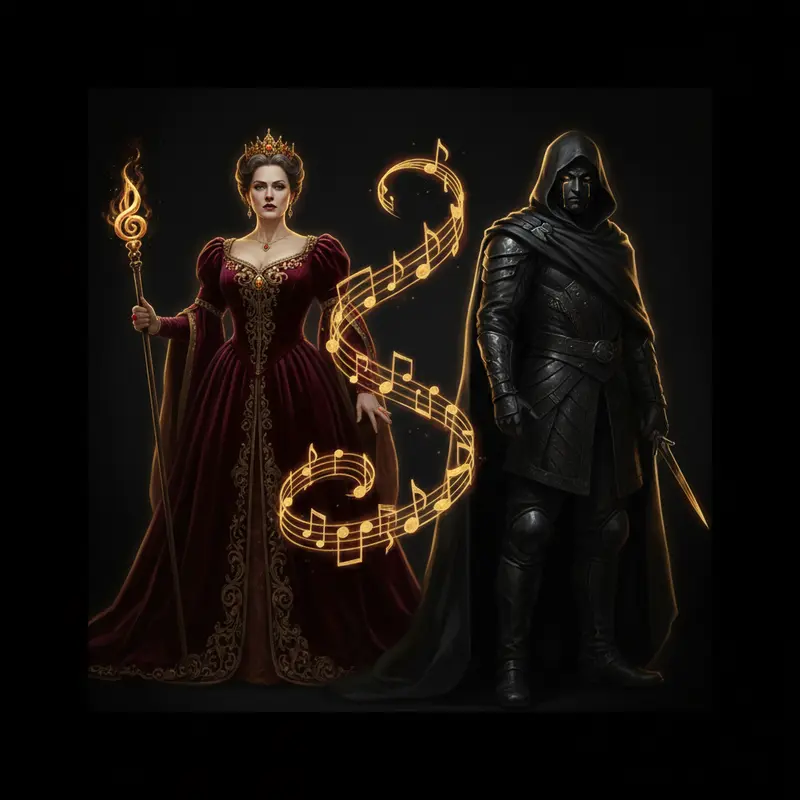
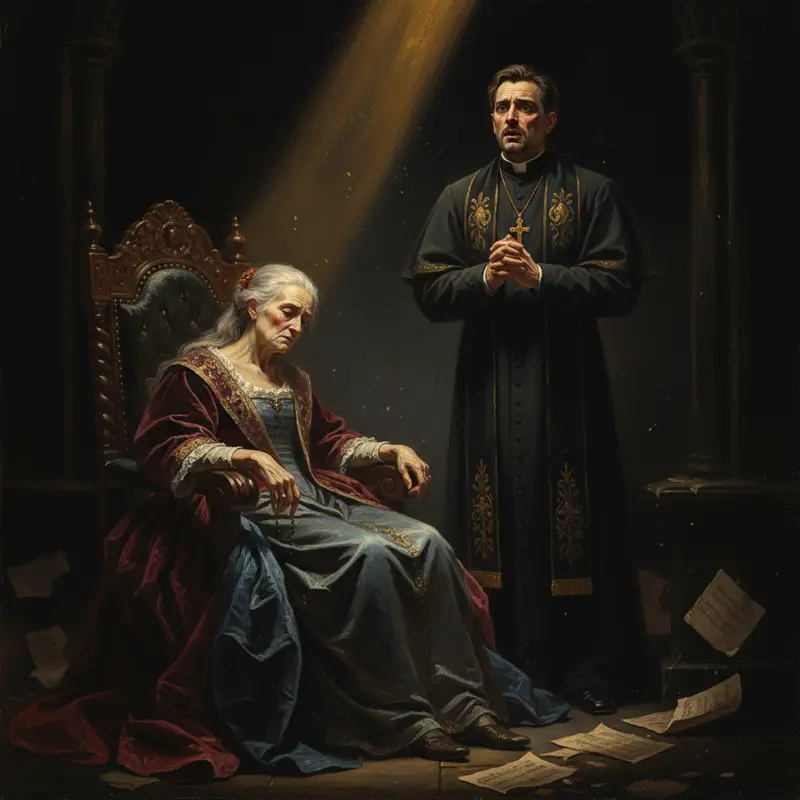
A queen and her condemned advisor in the hour before his execution, bound by a love neither will name and a sentence she cannot revoke. Power and grief war between them in clashing, overlapping lines that resolve only into a shared, unbearable silence.
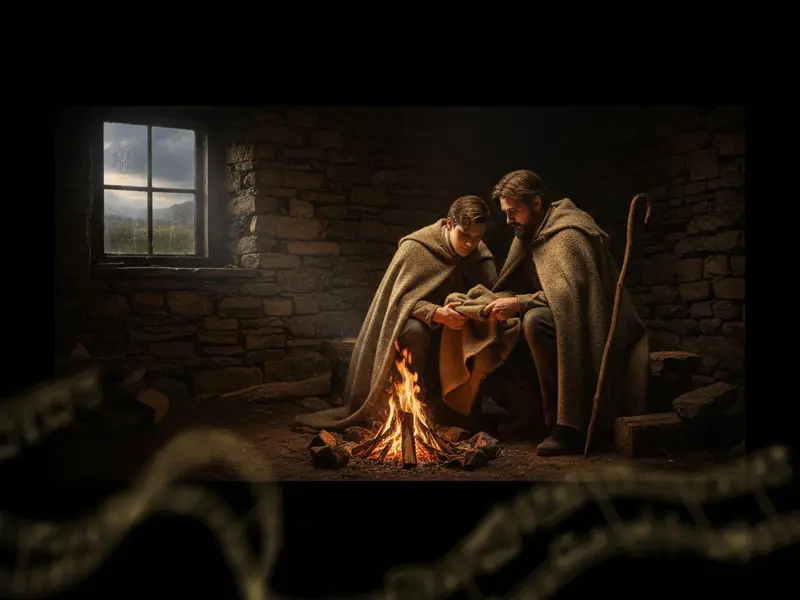
A pastoral idyll for a shepherd and a traveller who shelter together through one storm and part at first light, having briefly imagined a whole life. The orchestra paints rain and clearing sky while their voices move from wary courtesy to a fleeting, radiant intimacy.
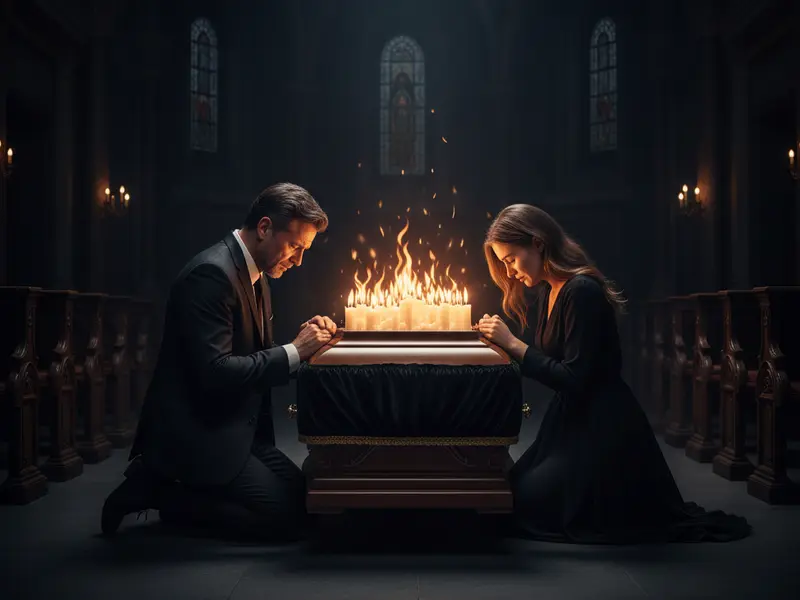
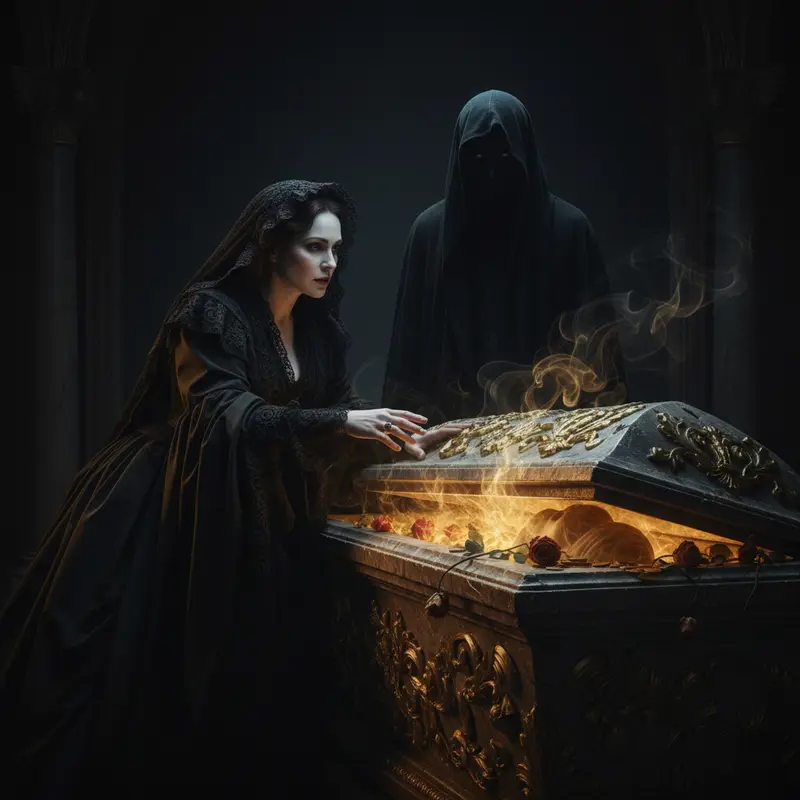
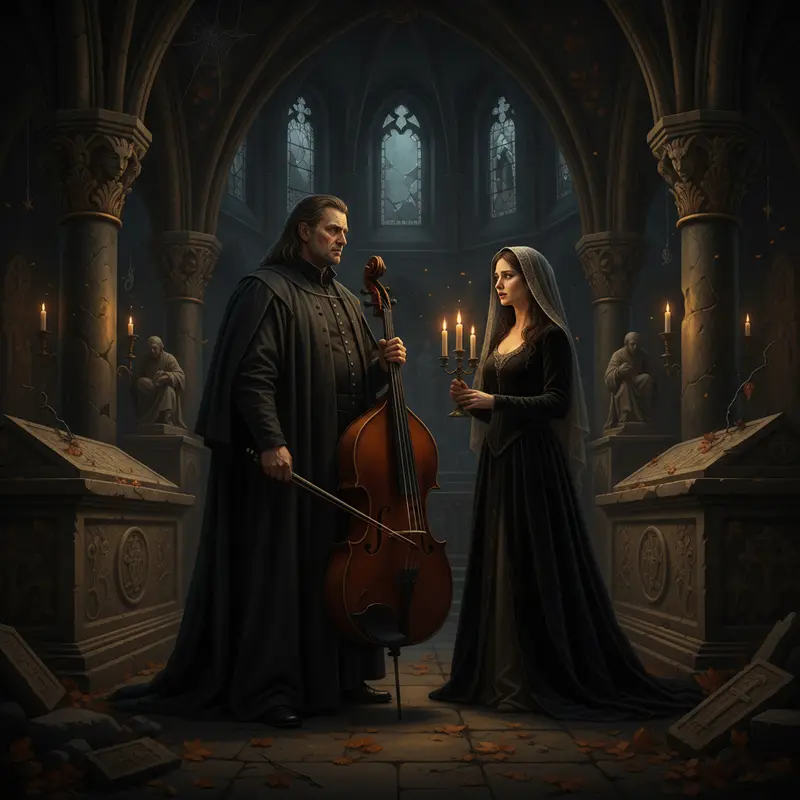
Two mourners — a father and a daughter — keeping vigil over the same coffin, each carrying a grief the other cannot reach. Their lines refuse to meet through the long central span and join, at last, only in the single word of farewell they can finally share.
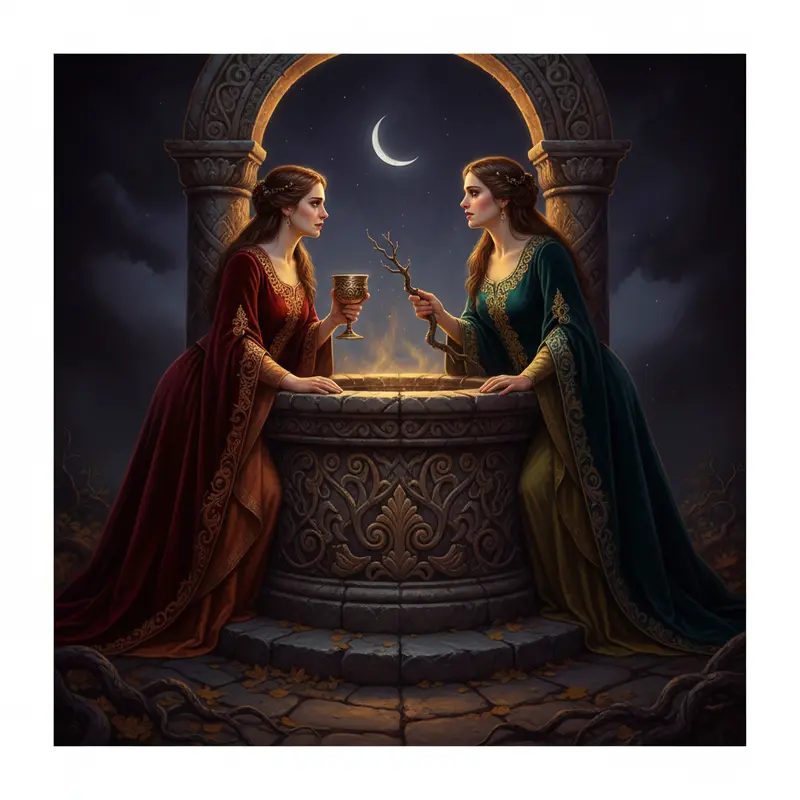
A nocturne for two insomniacs in neighbouring rooms who have never met, each singing to the same wall in the small hours. Their voices answer without knowing they answer, drawing closer through the night until the wall between them becomes, impossibly, a meeting place.
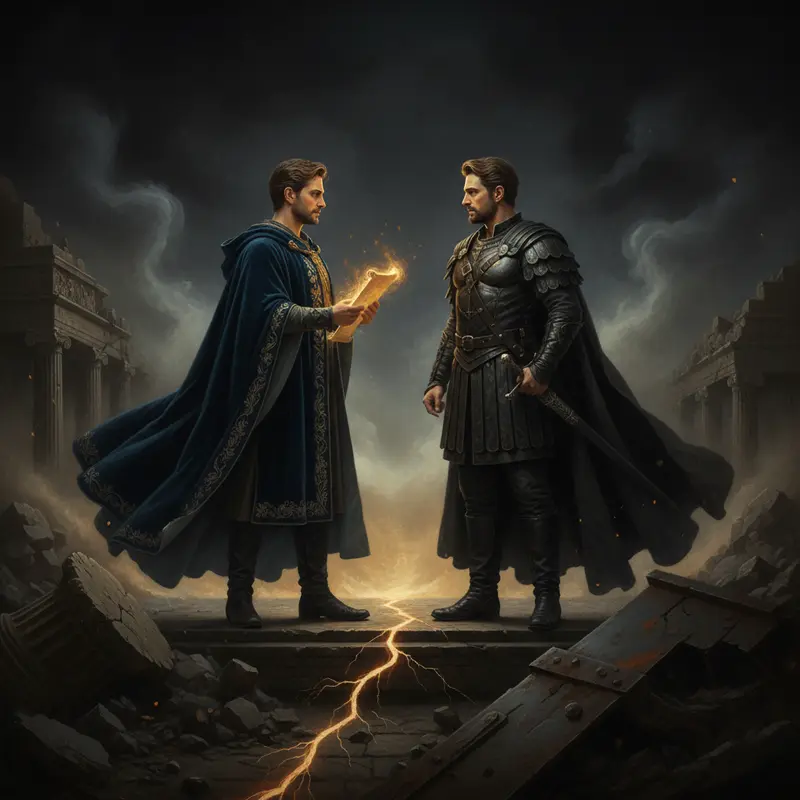
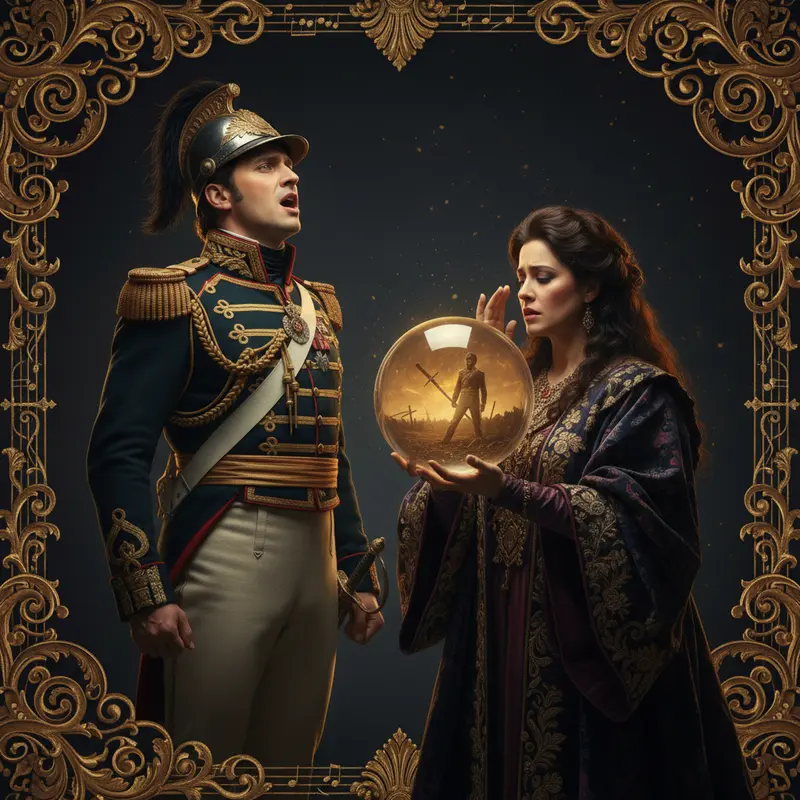
A general and the oracle who foresees his defeat, on the eve of the battle he will not abandon. Her warning soars against his iron resolve in mounting opposition until, at the climax, she ceases to dissuade and joins him in a tragic, full-throated march toward the inevitable.
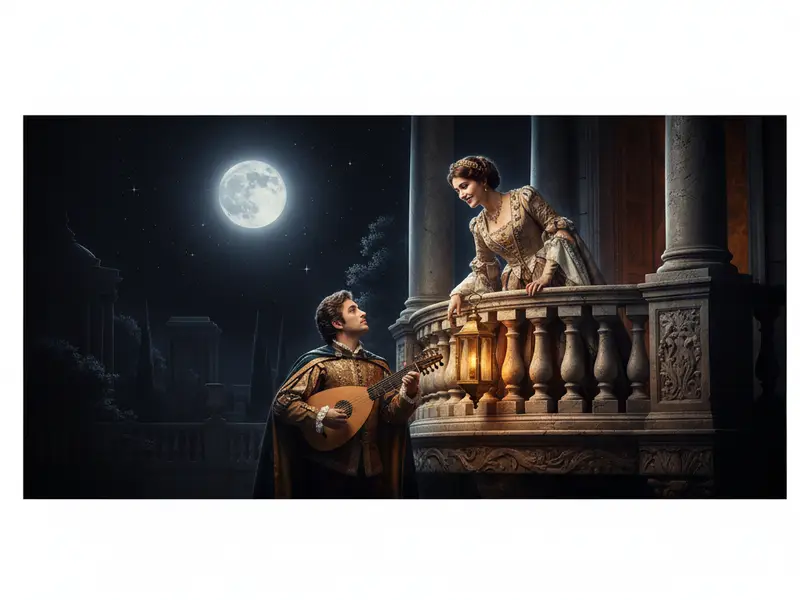
A serenata in which a suitor sings beneath a balcony and is answered, unexpectedly, with sharp wit rather than swooning consent. The duet sparkles as a contest of charm — his earnest courting parried by her clever rebuffs — before warmth quietly wins the argument.
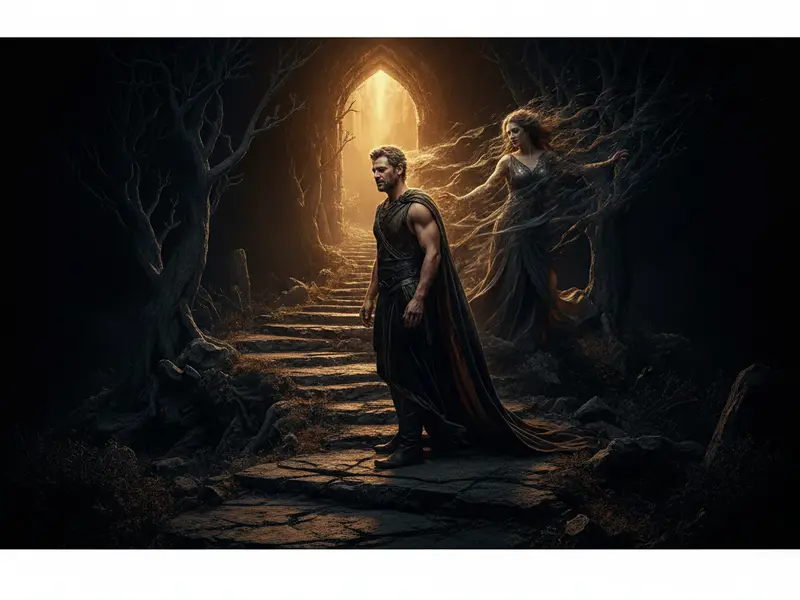
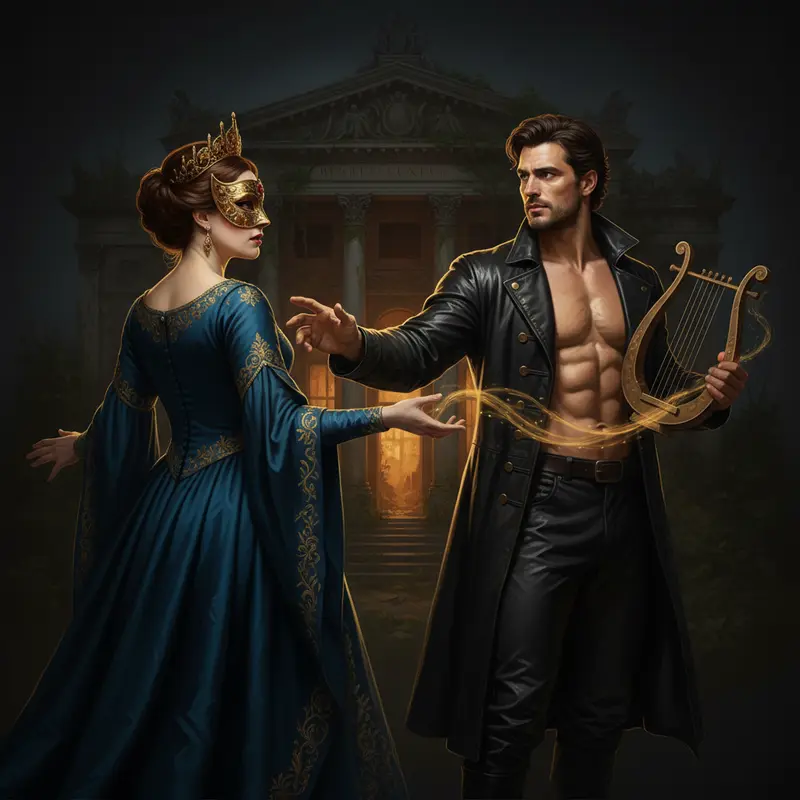
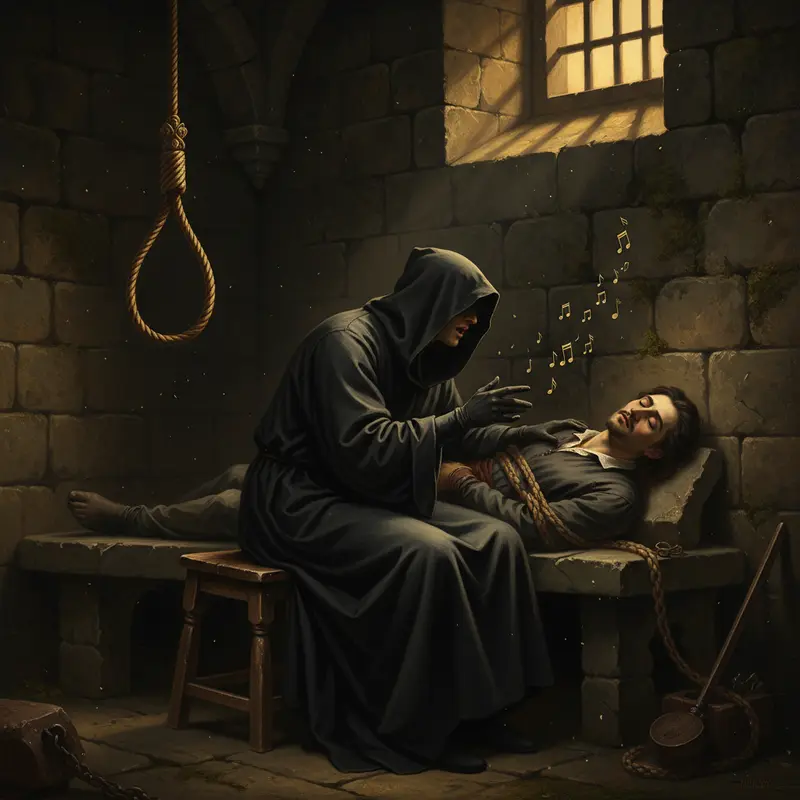
Orpheus and Eurydice at the threshold of the upper world, in the instant before the forbidden backward glance. His mounting need to see her wars with her desperate plea to stay unseen until the fatal turn, after which their voices fall away from each other into the dark.
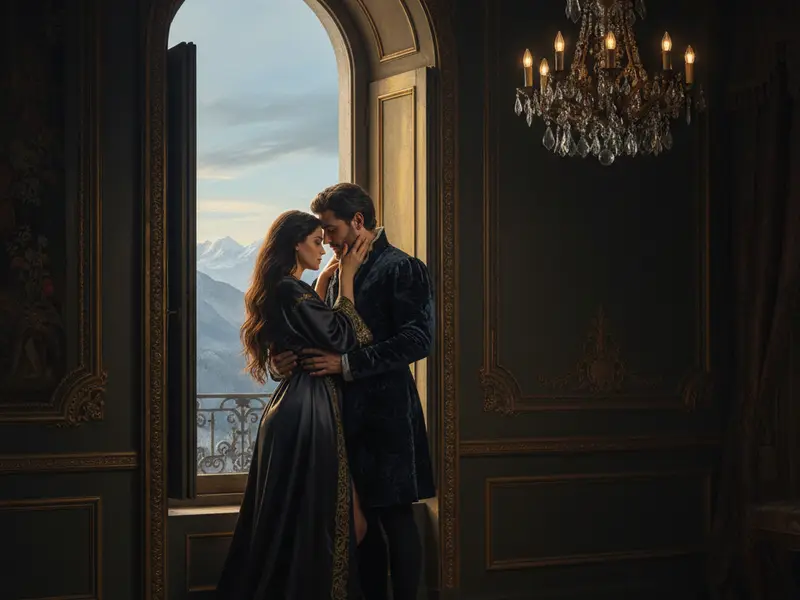
An aubade for two lovers who must part at daybreak, each insisting it is still night to keep the other a moment longer. Their gentle, loving lie passes back and forth — lark mistaken for nightingale — until the cruel honesty of the light forces them, tenderly, apart.
A composer and his muse at the moment she announces she is leaving him for good, taking his music with her. He bargains, rages, and finally lets her go in the very melody she inspired — the duet dramatising the bitter trade of love for art.
An Annunciation dialogue reimagined as awe and dread in equal measure — a mortal confronted by a messenger whose tidings are too vast to bear. The soprano's radiant proclamation meets the baritone's trembling resistance before terror resolves, slowly, into acceptance.
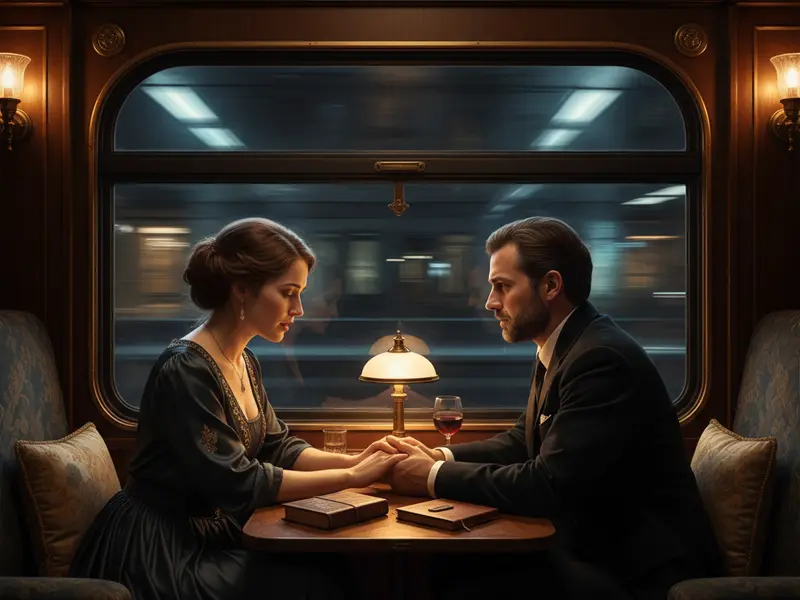
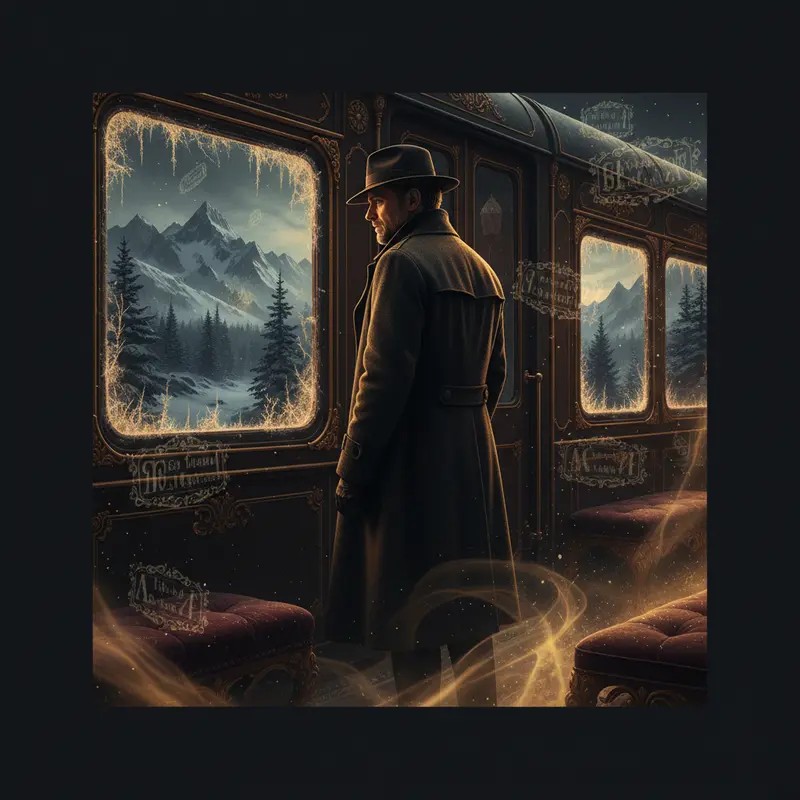
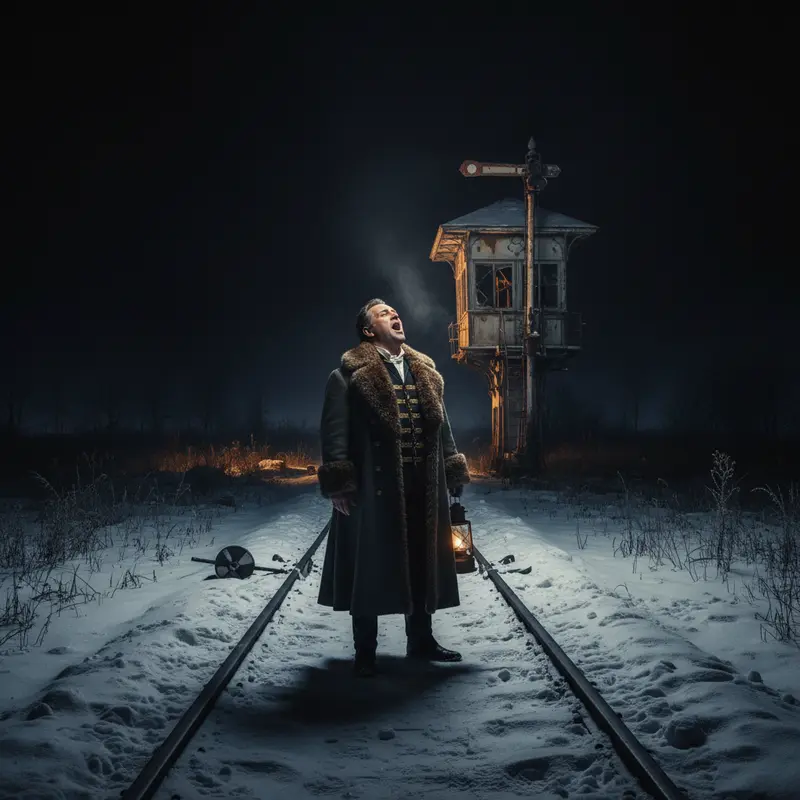
An idyll for two travellers who meet on a night train and talk until dawn, knowing they will never see each other again. Their voices move from small courtesies to startling candour, sharing in the dark what they could tell no one in the light.
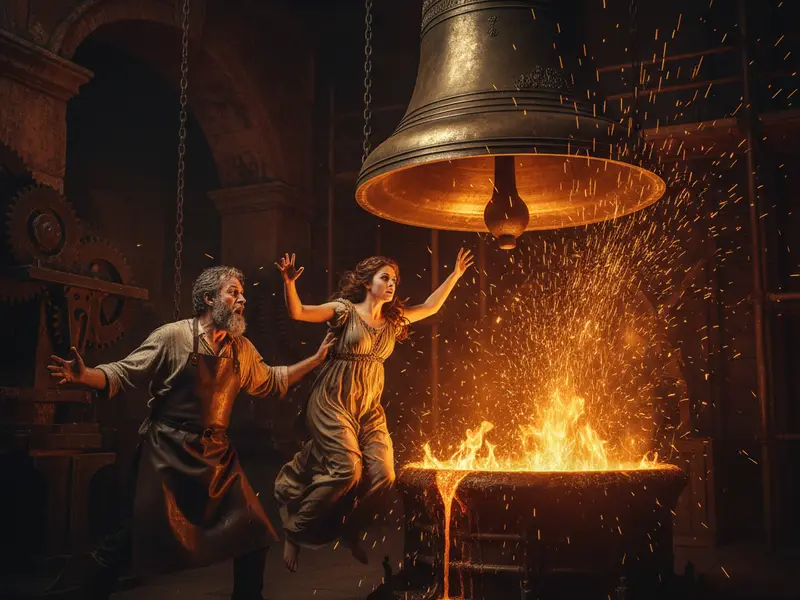
A two-voice dramatic cantata on the legend of the bell-founder and his daughter, who casts herself into the molten bronze so the great bell will finally ring true. His horror and her resolve mount against each other before her sacrifice transfigures the music into a single tolling peal.
A bright capriccio staging the oldest argument between two long-married lovers — who remembers the night they met correctly. Their contradictory accounts dance in mock-quarrelsome counterpoint, each embellishing the other's version, until they agree to disagree in an affectionate, laughing cadence.
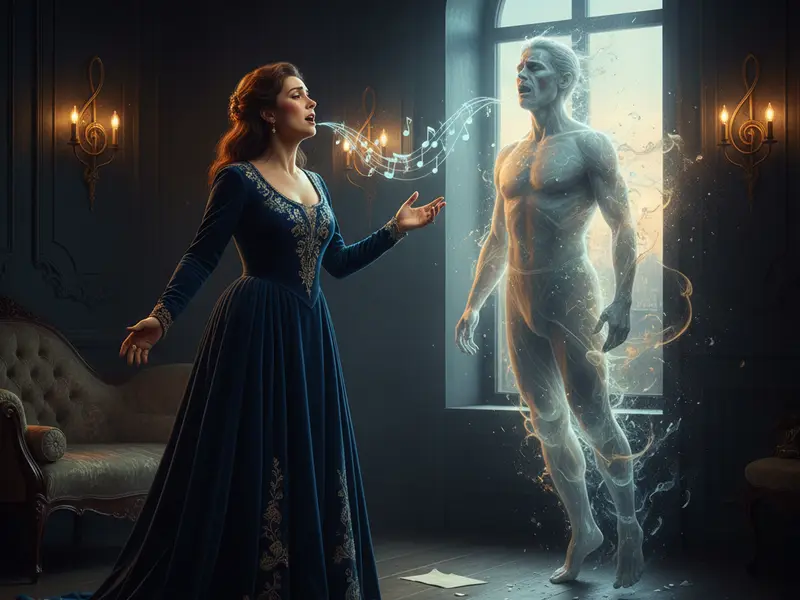
An elegiac duet between a widow and the ghost of her husband, who can stay only as long as she keeps singing. Her line lengthens and clings while his thins toward silence, the two voices straining to hold a contact that the dawn must inevitably break.
The grand close of the duet sequence — two voices that have quarrelled, parted, and grieved across the catalogue meeting at last in unguarded triumph, a hymn to endurance itself. The baritone's foundation and the soprano's ascent lock into a soaring final union over the full orchestral tide.
A symphonic poem charting the slow death of a glacier, the ice that remembers ten thousand winters calving at last into a warming sea. Voss's baritone surfaces from the orchestral cold like a voice frozen for millennia, building to a catastrophe of cracking, sunlit grandeur.
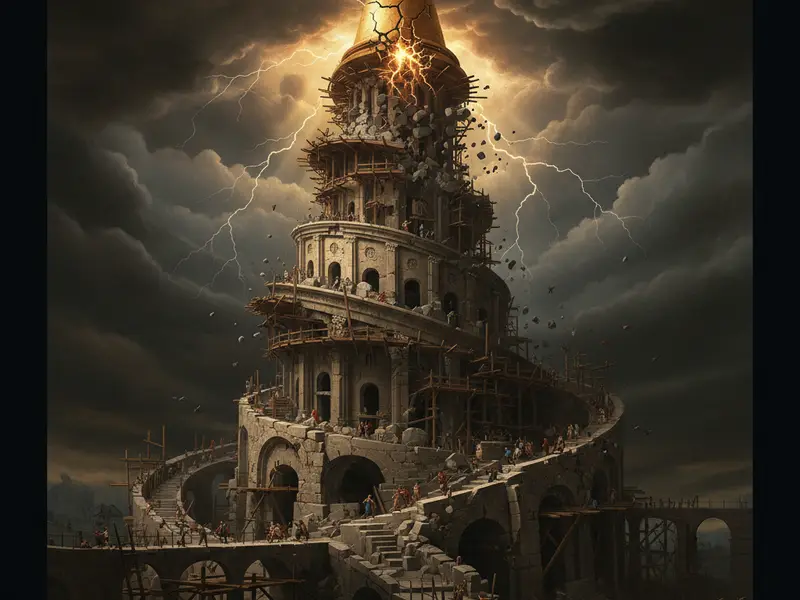
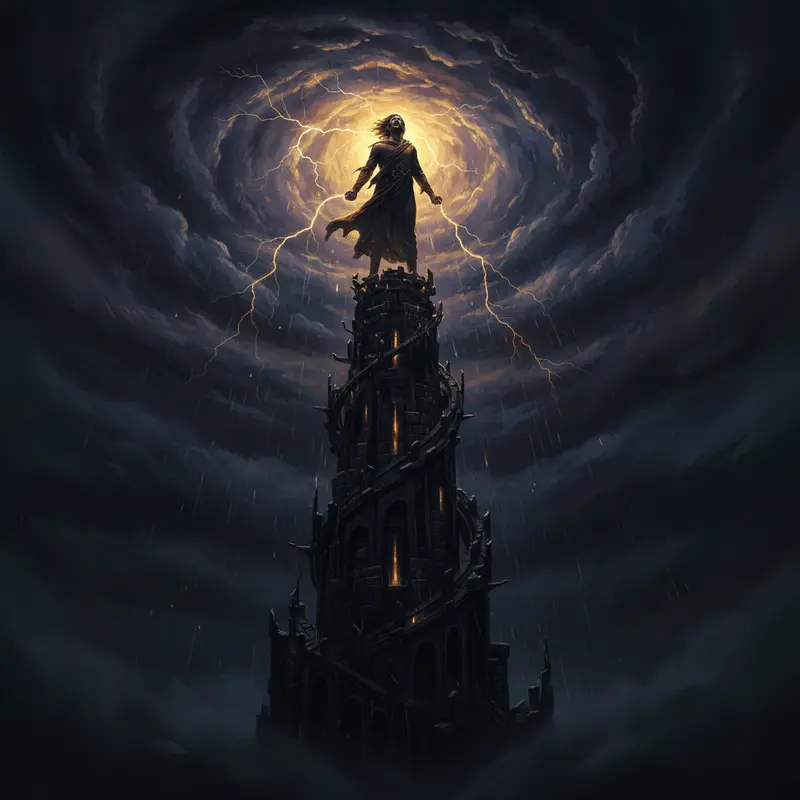
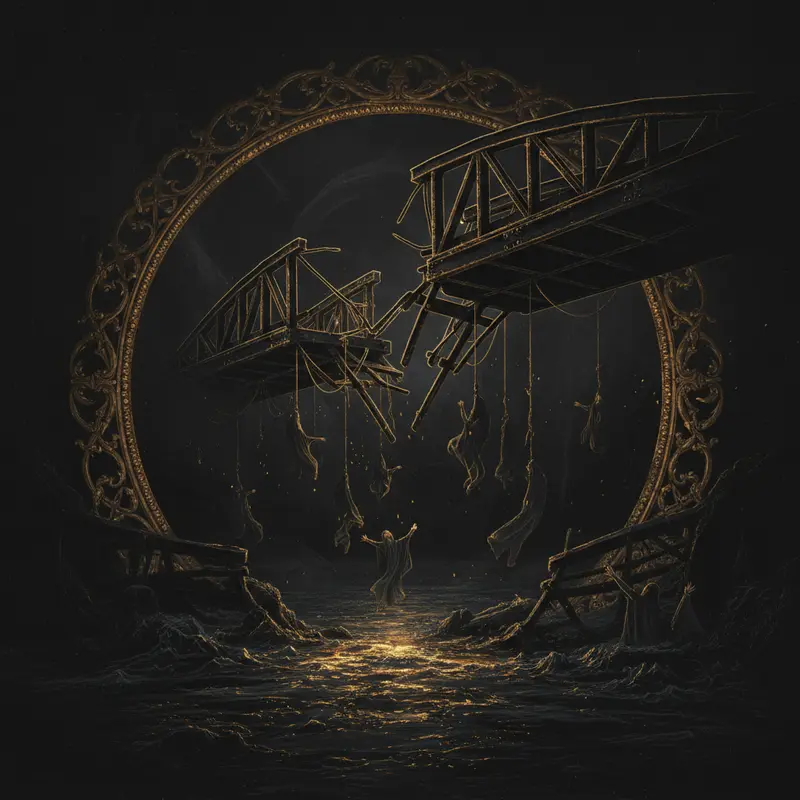
A single-movement choral symphony depicting the building and fall of the Tower of Babel — the hubris of one tongue rising and the chaos of many descending. Voss intones the architect's commands over a choir-shadowed orchestra that shatters, at the summit, into a magnificent confusion of voices.
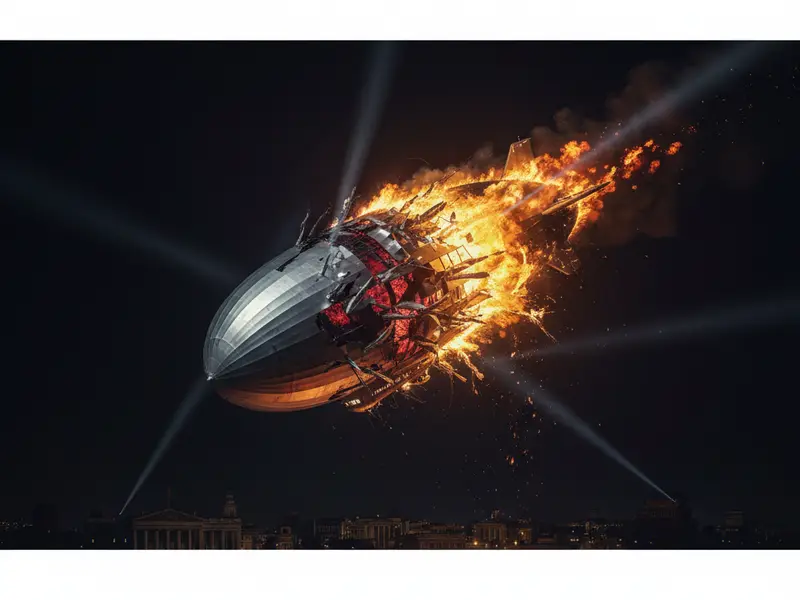
A tone poem on the wreck of a great airship, the silver dream of an age igniting against a night sky. The orchestra rises in buoyant majesty before the catastrophe, Voss's baritone the voice of the dream itself, exultant and then plummeting into flame.
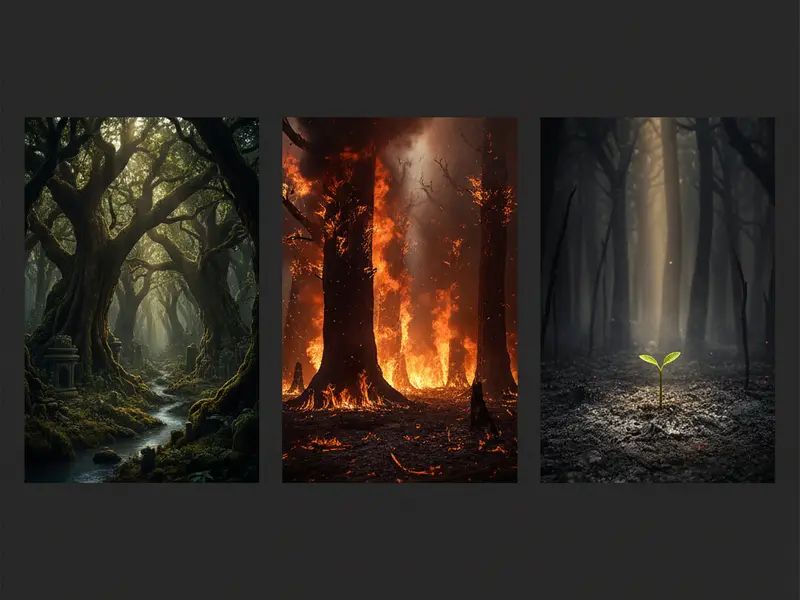
A symphonic triptych in three linked panels tracing a great woodland's life, immolation, and slow green return. Voss's baritone presides over each panel as the spirit of the wood, the final movement rising from cinders into a hushed, regenerative dawn.
A concerto treating the baritone as a solo instrument in full contest with the orchestra, the voice cast as a single human consciousness against the vast indifference of the cosmos. Cadenza-like passages of wordless vocalise alternate with crushing orchestral tuttis in a dialogue of scale and solitude.
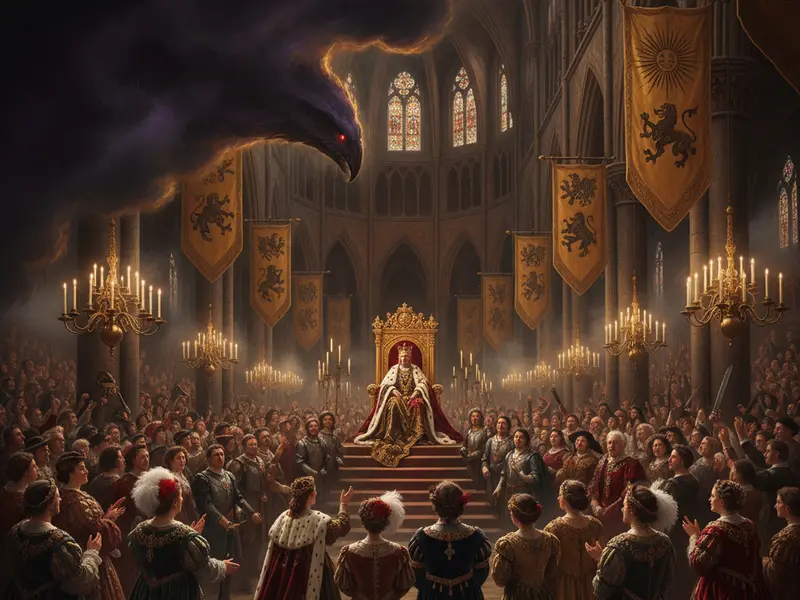
A blazing festival overture for a coronation that history records as the beginning of a doomed reign — pageantry shadowed from within by the knowledge of the fall to come. Voss's baritone rings out the proclamations of state while the orchestra laces the triumph with premonitory darkness.
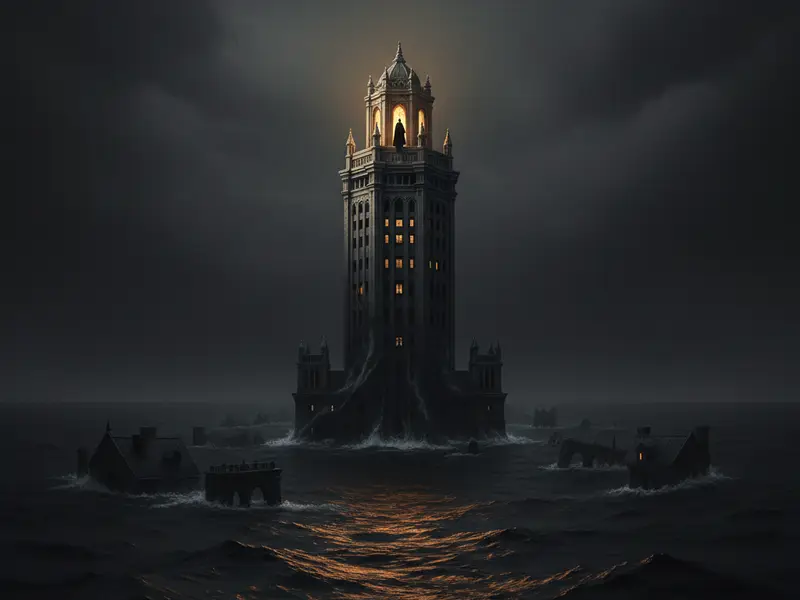
A dark sinfonia depicting a city sinking, district by district, beneath a sea that will not stop rising. Voss's baritone tolls the names of drowned streets as the orchestra rises in implacable, terraced waves toward total submersion.
A threnody for the last speaker of a dying language, the final voice in which an entire world of words will fall silent. Voss intones fragments of the vanishing tongue over a grieving orchestra, the music itself enacting the irreversible loss as the last phrases dissolve into wordless air.
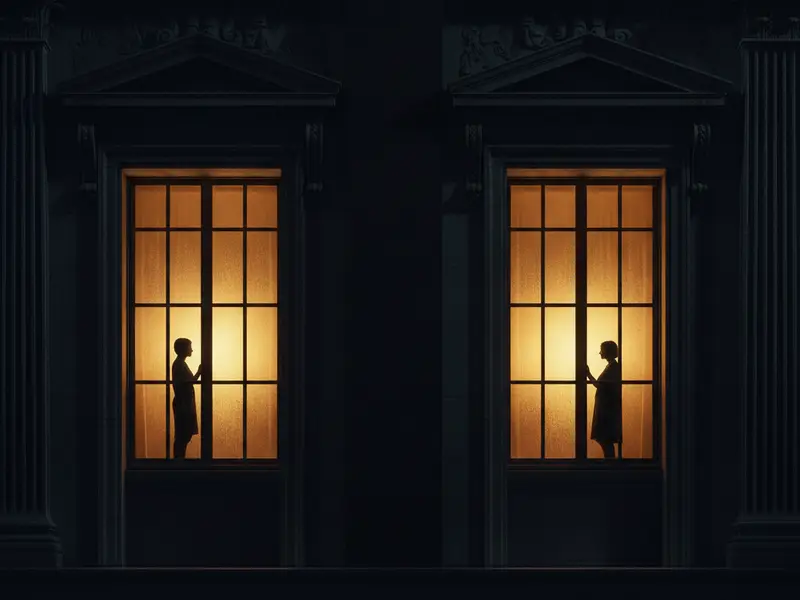
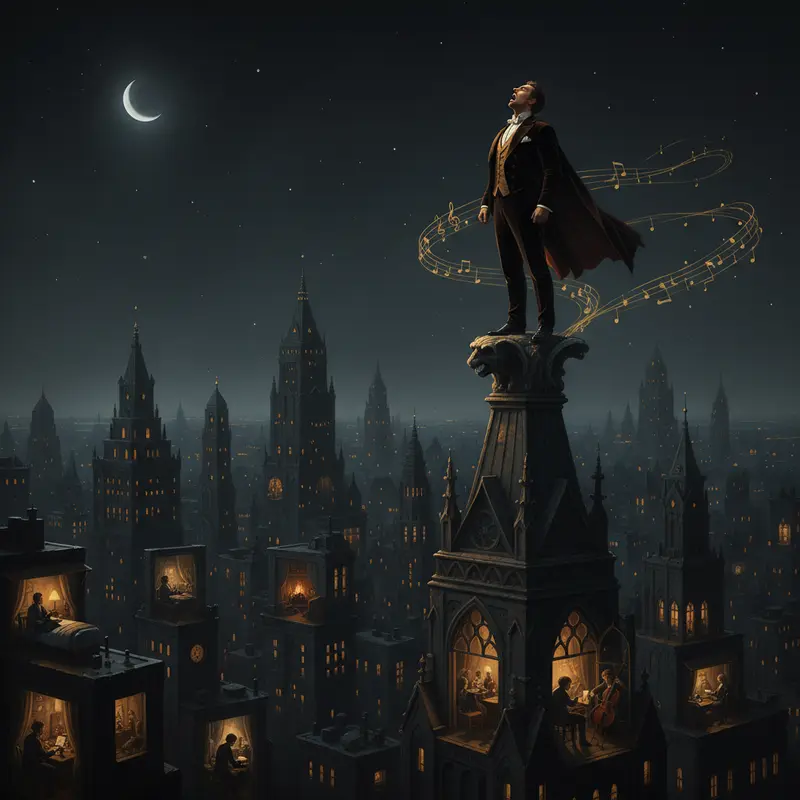
A nocturne for full orchestra evoking a sleepless metropolis seen from far above at three in the morning — a million lit windows, each a private vigil. Voss's wordless baritone drifts over the shimmering nightscape like the collective dream of the unsleeping city.
A single vast symphonic movement on the heat-death of the universe — the final cooling, the last star, the long entropy toward absolute dark. Voss's baritone is the universe contemplating its own ending, the orchestra thinning by degrees from blazing fullness to one held, dying tone.
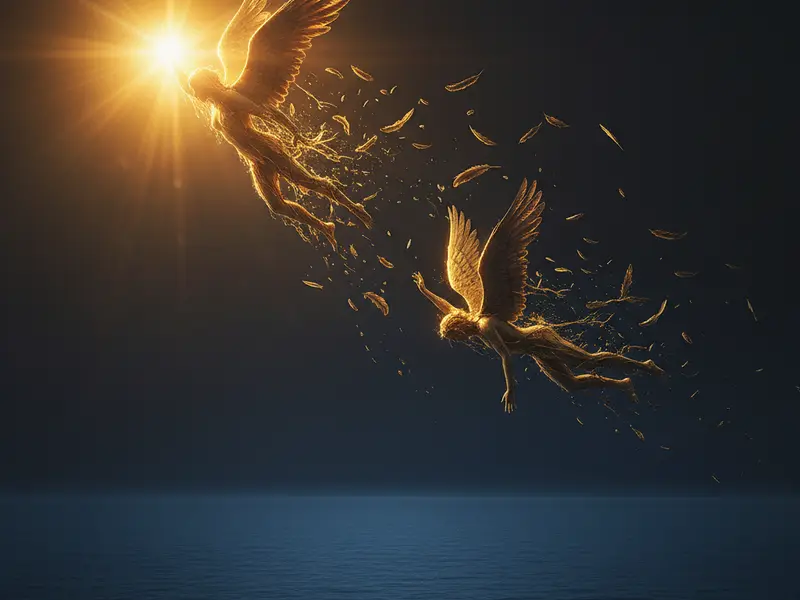
A symphonic poem on the flight and fall of Icarus, the ascent into glory and the plunge into the indifferent sea. Voss's baritone rises in ecstatic vocalise toward the sun before the wax melts, the orchestra wheeling from blazing height to the small, cold splash below.
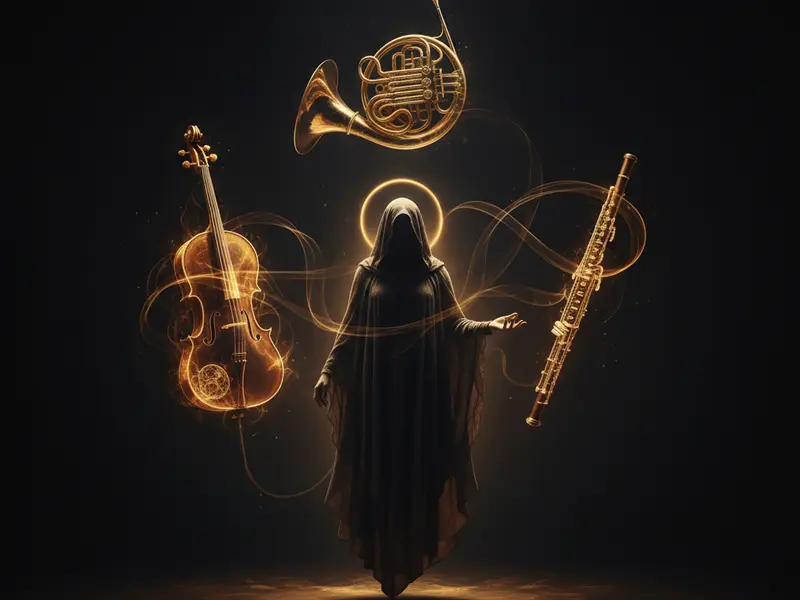
A sinfonia concertante pitting Voss's baritone against three obbligato solo instruments — cello, horn, and oboe — as three aspects of a divided self in council. The voice arbitrates among them over a full orchestra, the four soloists resolving from argument into a hard-won single line.
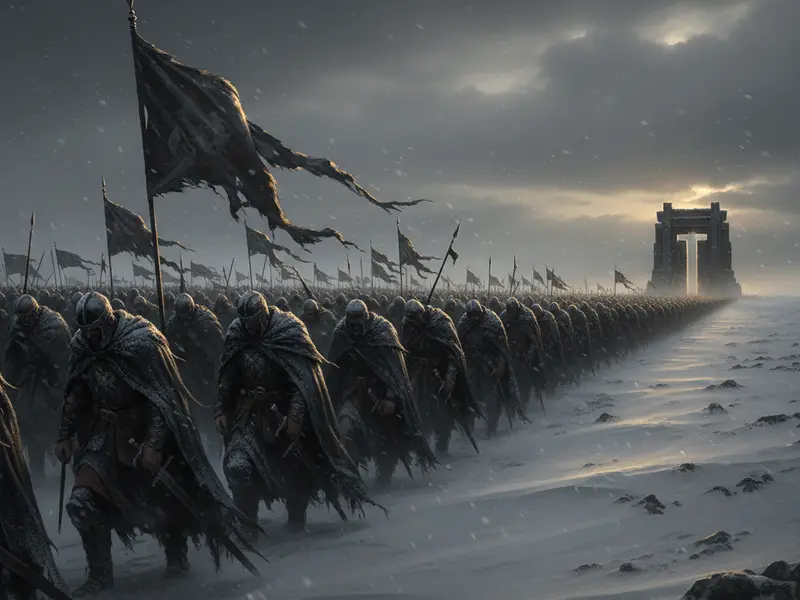
An epic orchestral canvas on the march of a defeated army home through winter, the long retreat of an empire's last hope. Voss's baritone is the voice of the column itself, counting the miles and the dead as the orchestra trudges through Mussorgskian cold toward a bleak, distant gate.
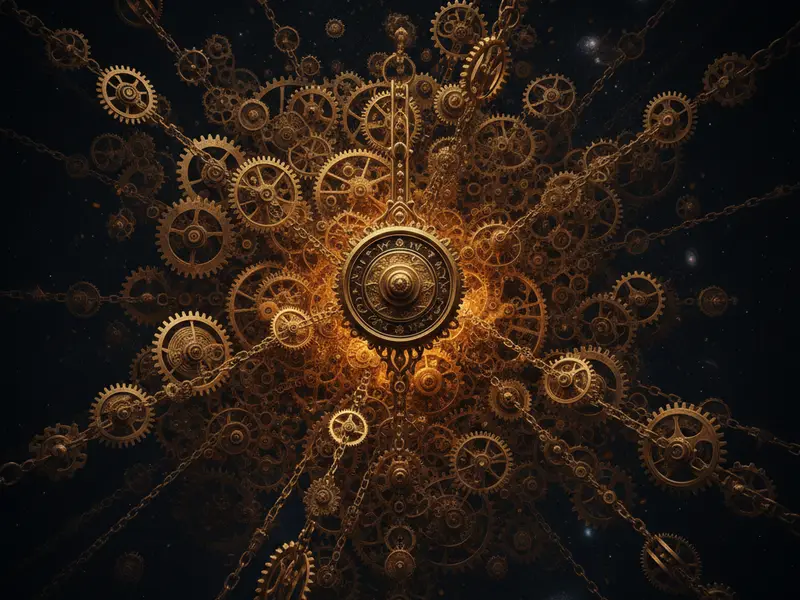
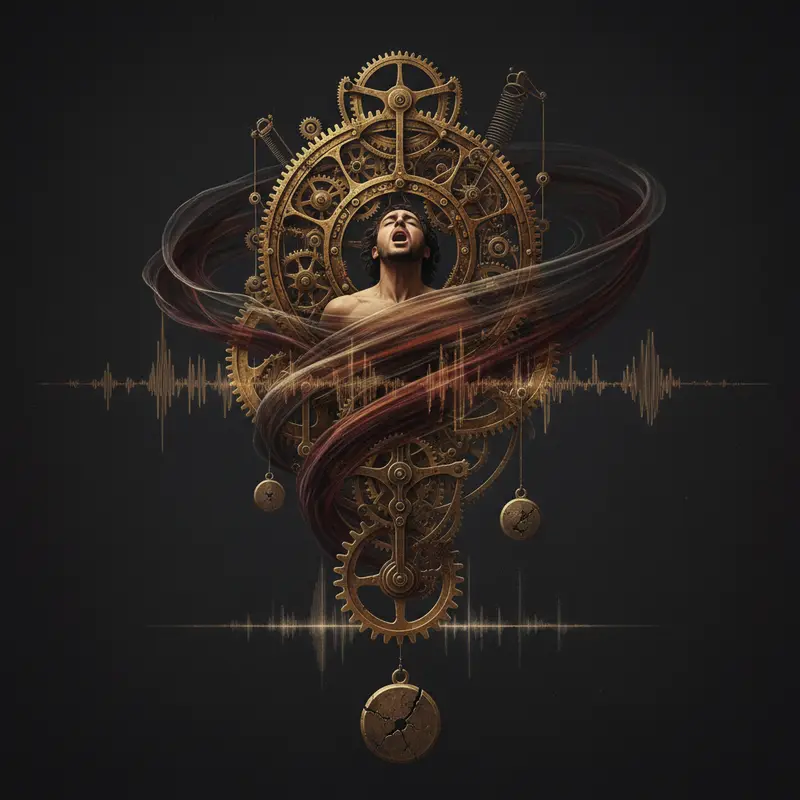
A symphonic poem on the great clock of the world running down — the cosmic mechanism whose final tick the music spends its whole length approaching. Voss's baritone counts against a vast orchestral clockwork that slows, catches, and stops on a single suspended, unresolved chord.
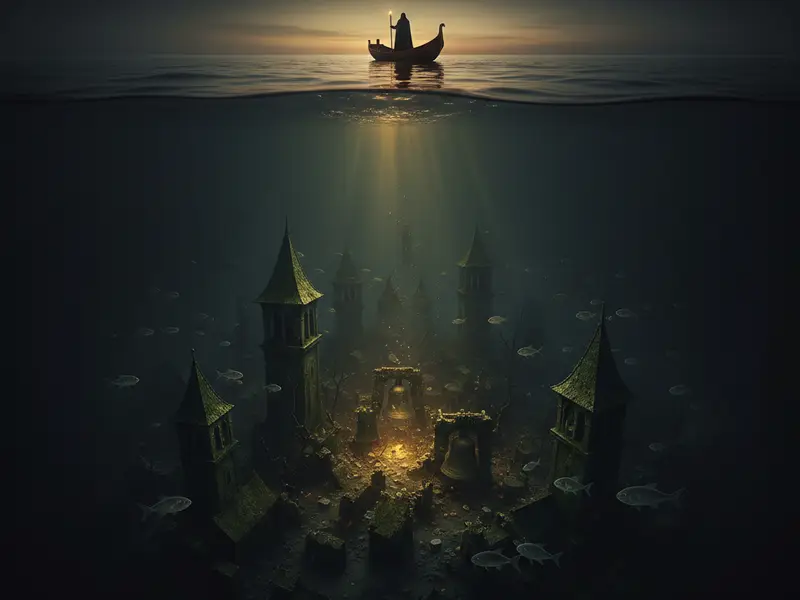
A choral tone poem on the legend of the sunken bell of Vineta, the drowned city whose carillon still rings up through the sea on the stillest nights. Voss's baritone calls down to the lost city while a choir-shadowed orchestra surges with submarine bells and the slow breathing of the tide.
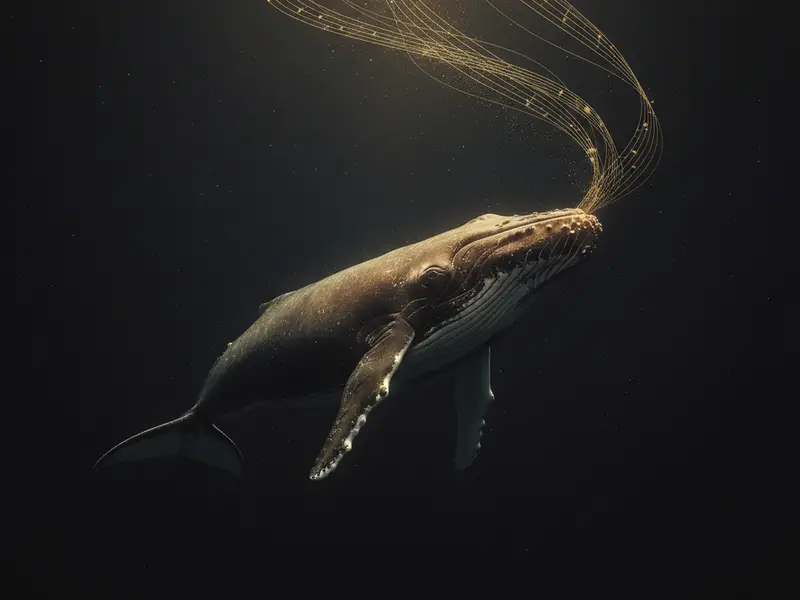
A symphonic elegy for the last great whale, the final song of a creature singing across an empty ocean for an answer that will never come. Voss's baritone carries the long, low call over a vast desolate orchestra, the music an immense grief for a voice with no one left to hear it.
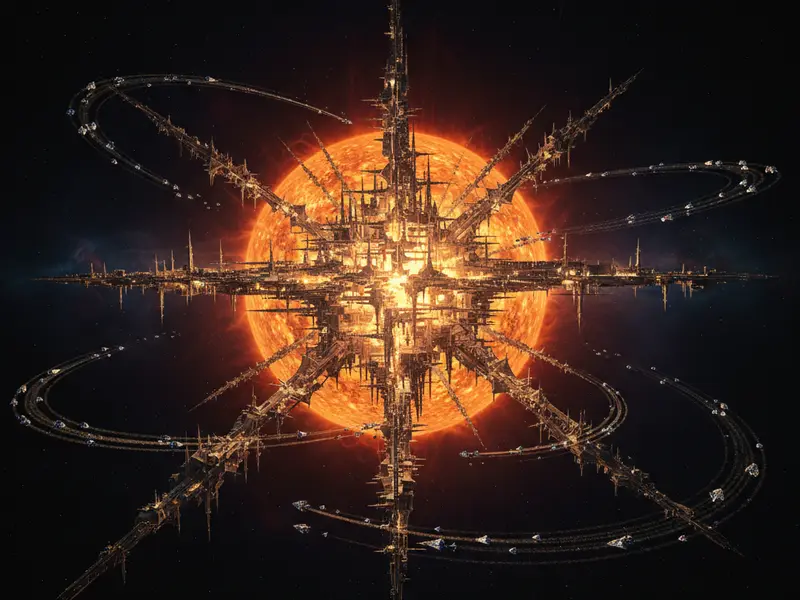
A monumental orchestral work on the fall of a star-city — an entire civilization built upon a dying sun, evacuating into the dark as their world goes out beneath them. Voss's baritone leads the exodus in heroic vocalise while the orchestra blazes and gutters in cosmic farewell.
A pastoral symphony with a shadow at its heart — an idyllic countryside walked one last time by a man who knows it will be drowned by a new reservoir within the year. Voss's baritone names each vanishing field and lane while the orchestra glows with a beauty made unbearable by its nearness to loss.
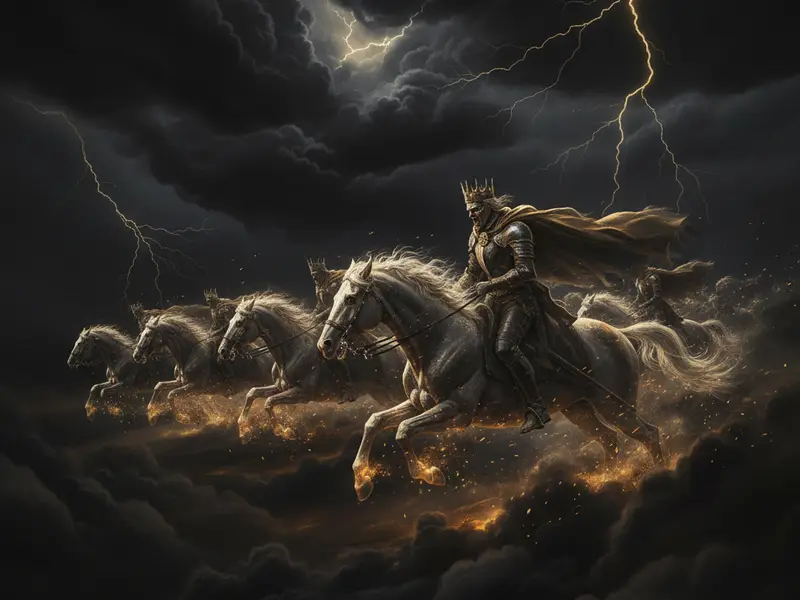
A symphonic rhapsody on the Wild Hunt — the spectral cavalcade that rides the storm-sky on the longest night, sweeping up the souls of the unwary. Voss's baritone is the huntsman-king crying the chase forward as the orchestra gallops in a furious, exhilarating, terrifying ride.
The crowning work of the entire catalogue — a single-movement choral symphony in which the baritone, having walked the length of so much darkness, finally turns to face the dawn and asks whether the light is worth the climbing. Voss's voice rises from the orchestral depths through one last vast ascent into a choir-shadowed, hard-won, unresolved radiance.
A vast symphony in the lineage of Mahler and Sibelius — the slow apocalypse of a rising sea swallowing a civilization, from the first calm tide to the cathedral bells tolling fathoms deep. Voss's grandest single statement: a forty-minute descent into the green dark.
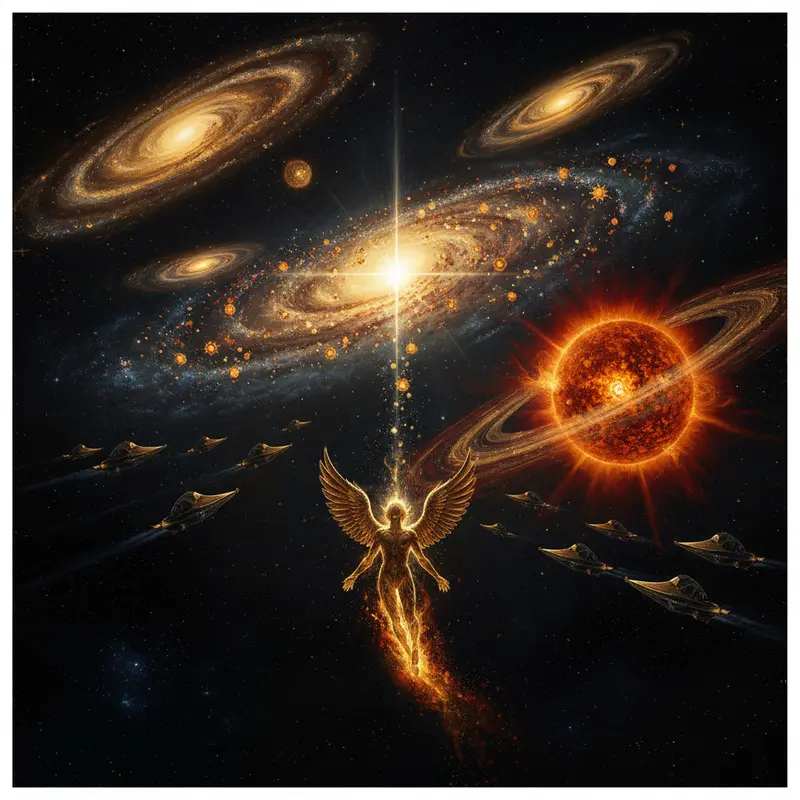
A radiant, programmable cosmic journey in the lineage of Holst's Planets — starbirth, the wheeling galaxies, the flight of Icarus, the dying sun, and a final exodus into the dark toward rebirth. Voss's most accessible and triumphant orchestral canvas, built for the concert hall.
Voss's prestige masterwork — a full Latin Requiem Mass set on symphonic scale for baritone, soprano Isabella Laurent, choir and orchestra. From the hushed Introitus to the terrifying Dies Irae and the consolatory In Paradisum, it is the work that places him among the composers of the great Requiems.
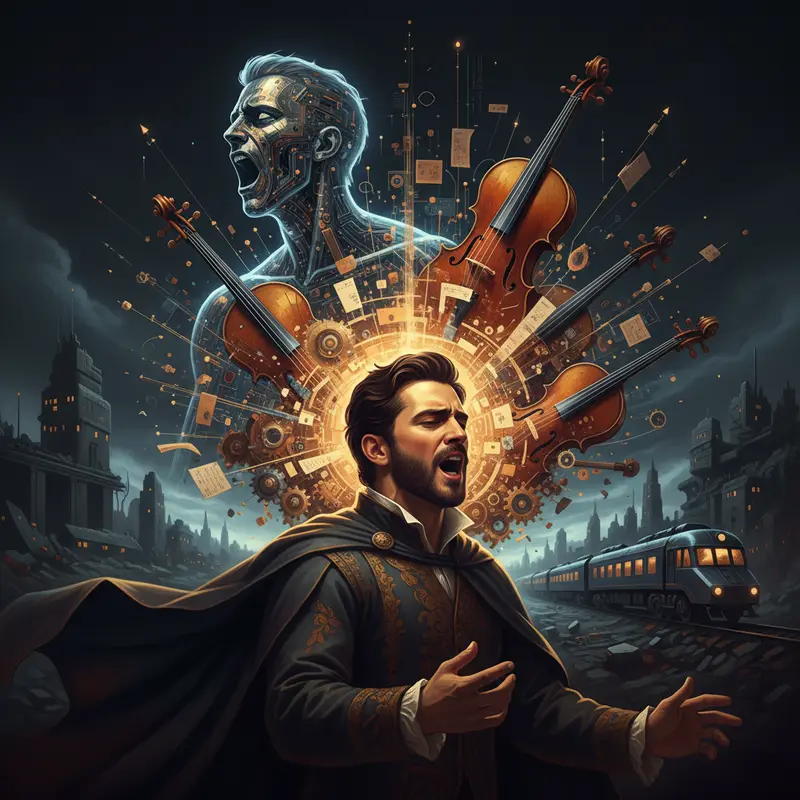
A zeitgeist symphony on the age of artificial voices — what it means to be a human singer when the machine can sing. Voss layers his own baritone against its synthetic shadow across a vast, unsettling orchestral argument that moves from training-data fragments to a final, defiant breath. The composer's most contemporary statement.
The deliberately simple, luminous answer to Das Verlöschen — a four-chord piano cell and one rising baritone line that finally resolves where the whole catalogue refused to. Voss's most direct and hopeful song.
A single cello line beneath a hummed baritone — the 'On the Nature of Daylight' of the catalogue, built for film trailers and the ache of longing for something unnamed.
A major-key, slow-build standard engineered to become the wedding, funeral and graduation song — a key change at the final verse and an unashamedly soaring last line.
An original processional for the winter solstice — a dark baritone over organ-shadowed strings, keeping watch through the longest night for the turning of the year toward light. The album's opening hymn.
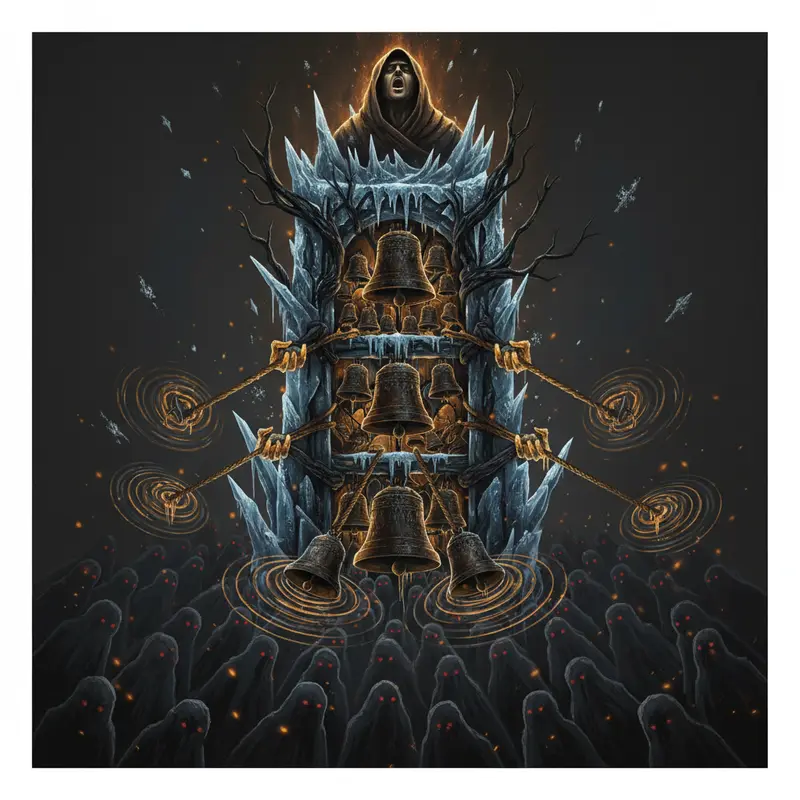
An original carol of pealing winter bells, reharmonized dark and ominous for baritone, choir-shadow and a cascade of frozen carillon — the catalogue's bell obsession in its winter setting.
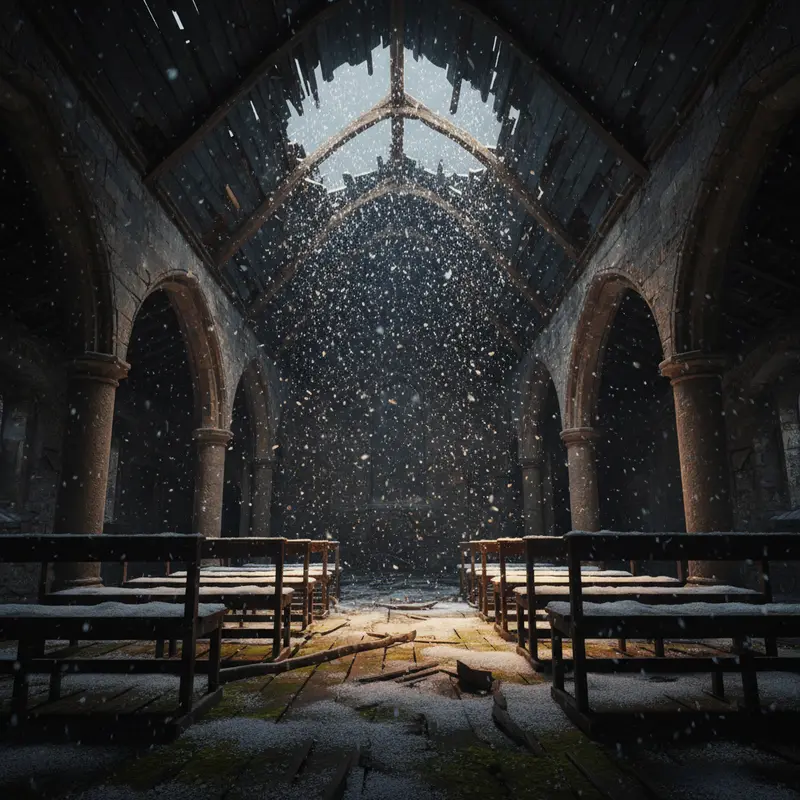
An original solo baritone-and-piano meditation — snow falling through the broken roof of an old church, settling on the empty pews. Spare, devastating, the album's tear-jerker.
An original midnight vigil for baritone, guitar and strings — the hushed hour before the dawn of the feast, a single voice holding the silence. Leaning into the Lieder credibility of the catalogue.
One original sacred piece so the album reads as composition, not only arrangement — a luminous baritone meditation on eternal light for the longest night.
The cue that becomes the trailer-music staple — ostinato strings, ticking percussion and a low brass drone, the opening title of a film that does not exist.
An original triumphal aria in the grand late-Romantic manner — a single sustained line of mounting resolve over a full orchestra, rising to an unashamed climax. Voss in his most heroic register.
Schubert's terrifying ballad — proof of the Lieder chops the catalogue claims, the galloping piano and four voices (father, son, Erlking, narrator) all in one baritone.
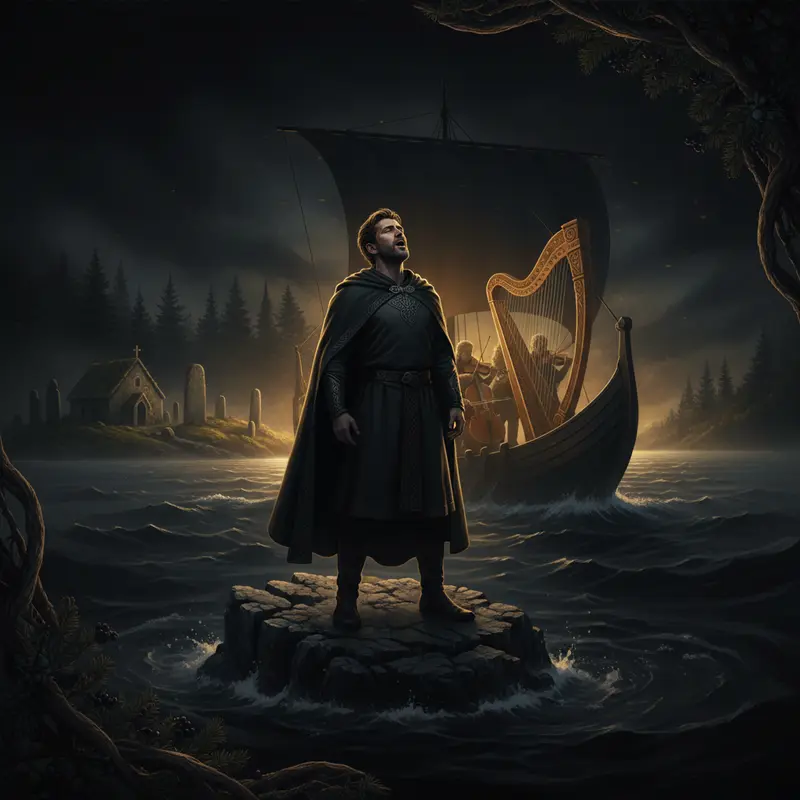
An original folk-lament in the Celtic manner — strings and harp beneath a baritone calling across the water to a homeland left behind. The funeral and heritage evergreen, newly written.
An original eighteenth-century-style arietta — pure bel canto line over chamber strings and harpsichord, a study in sustained legato and the tenderest Italian song manner.
An original early-Baroque madrigal — lute and chamber strings beneath a pure unadorned baritone line, the oldest-sounding music in the catalogue, closing the album with four centuries of song behind it.
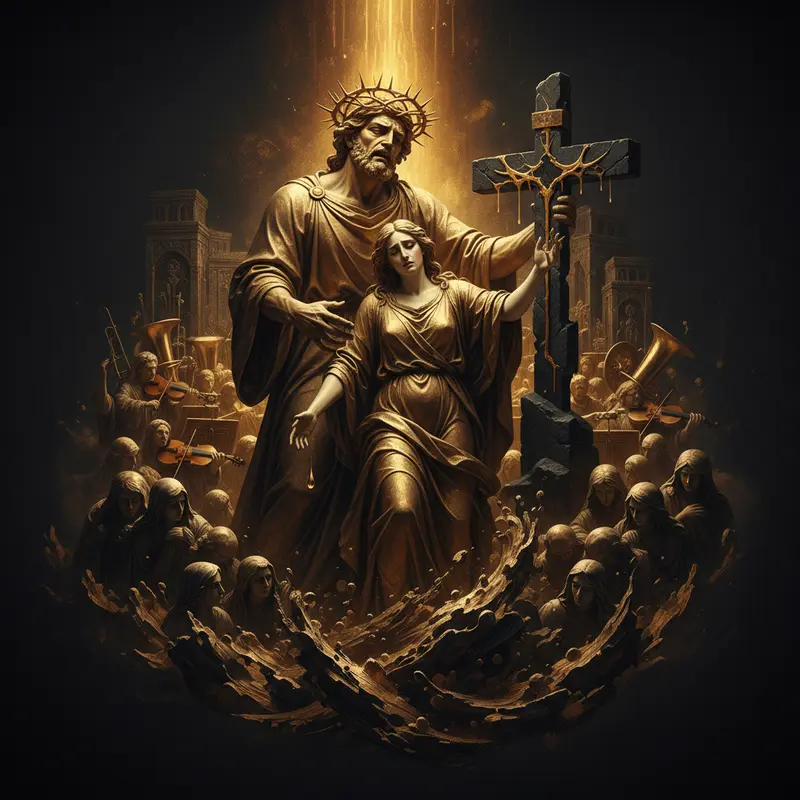
Voss's monumental sacred masterwork — a full Passion oratorio in the lineage of Bach, for baritone (Evangelist and Christus), soprano Isabella Laurent, chorus and orchestra. From the churning opening chorus through the scourging, the crucifixion and the final hour, to a consolatory closing chorus of unbearable tenderness. The cathedral at the centre of the catalogue.
A choral symphony in the direct lineage of Mahler's Resurrection — a granite funeral march, a backward glance of nostalgia, a scherzo of bitter irony, the baritone's candle-flame Urlicht, and a final movement that summons the dead from silence to a blazing choral apotheosis with soprano Isabella Laurent. Voss's flagship symphonic statement.
The fourteen-song cycle Das Verlöschen reconceived as a single unbroken orchestral hour — each song re-scored for full late-Romantic orchestra, joined by orchestral interludes so the cycle plays as one continuous symphony in the lineage of Mahler's Das Lied von der Erde. The same descent through a typology of failing lights, now on the grandest scale.
Operatic Duet · Tristan Hours — with Isabella Laurent
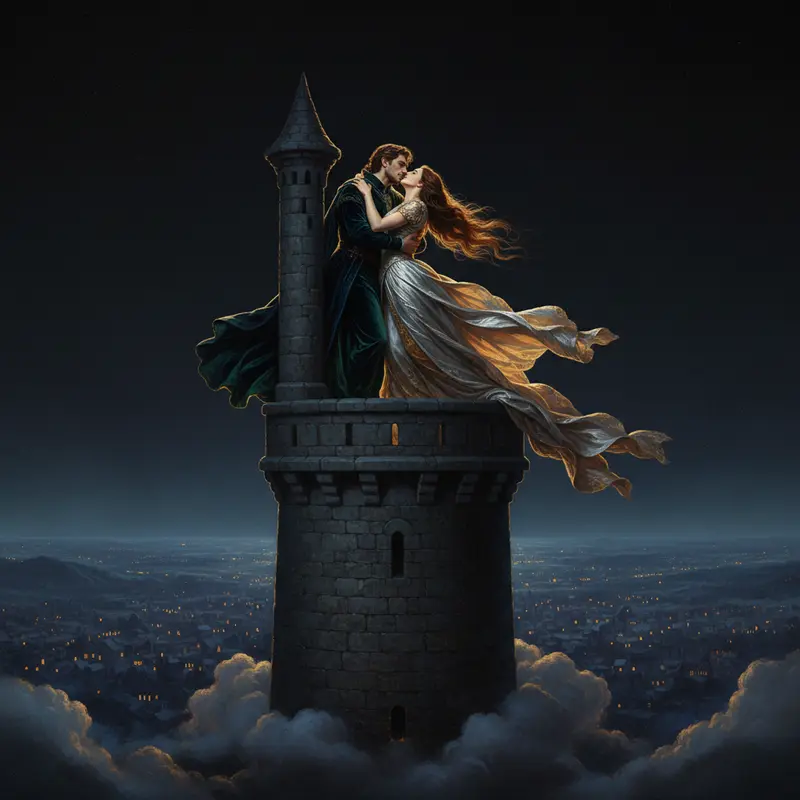
A Tristan-lineage night scene — two lovers on a high tower as the world sleeps below, their voices rising from whispered recitative to an ecstatic, unending melodic embrace before the dawn that must part them.
Operatic Duet · Tristan Hours — with Isabella Laurent
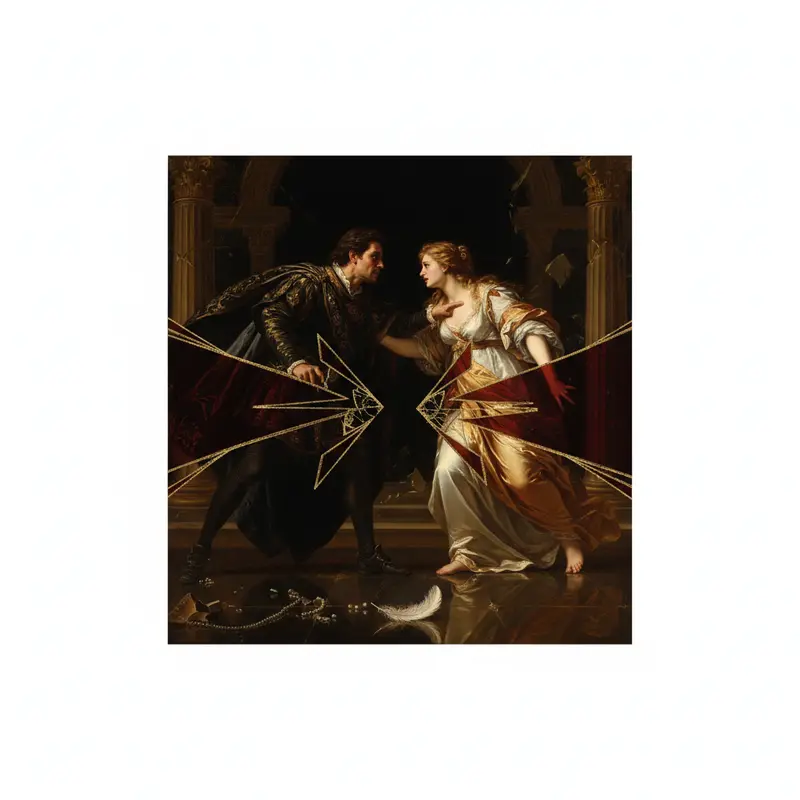
An Otello-lineage confrontation — a man poisoned by suspicion accuses the woman who loves him, her wounded innocence answering his mounting fury across a scene that builds to a shattering double climax.
Operatic Duet · Tristan Hours — with Isabella Laurent
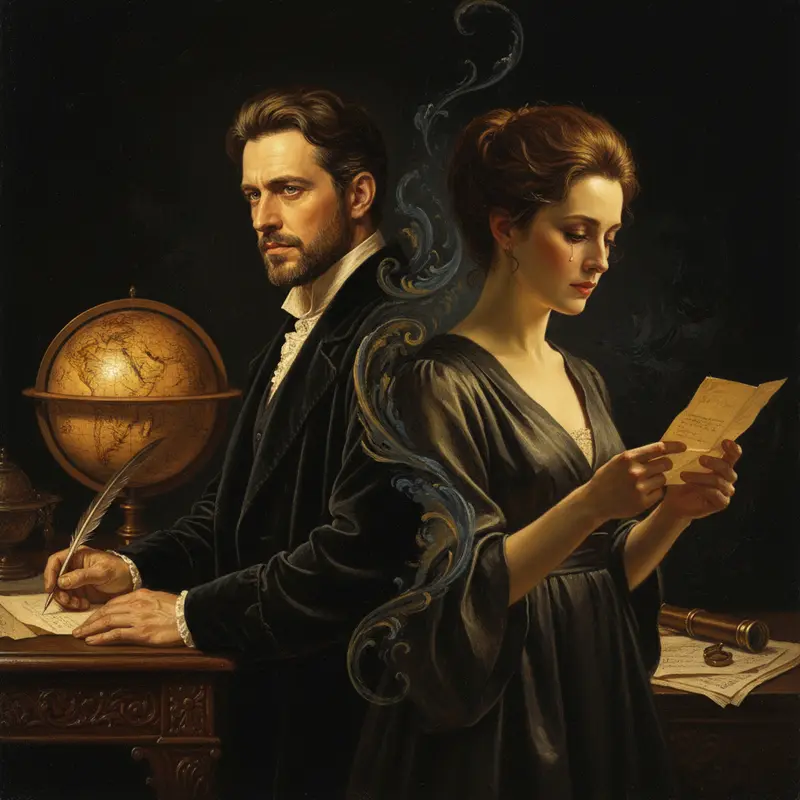
An epistolary scene — a soprano reads a letter that changes everything, her solo opening answered by the baritone who wrote it, the two voices meeting across distance and time in a duet of revelation and reconciliation.
Operatic Duet · Tristan Hours — with Isabella Laurent
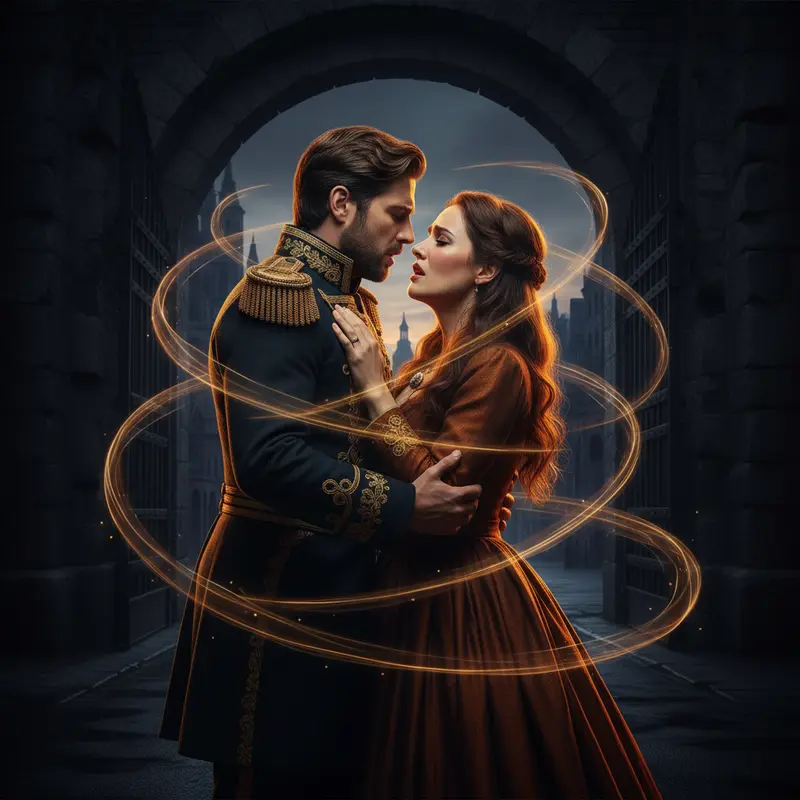
A Puccini-lineage parting — the album's tearjerker, a soldier and his love at the city gate at dawn, refusing the word goodbye, their voices circling through tenderness and grief to a final unison they both know is a lie.
Operatic Duet · Tristan Hours — with Isabella Laurent
The album's radiant close — two voices that have quarrelled, parted and grieved across the Tristan Hours meet at last in unguarded union, a full orchestral apotheosis of love hard-won and freely given.
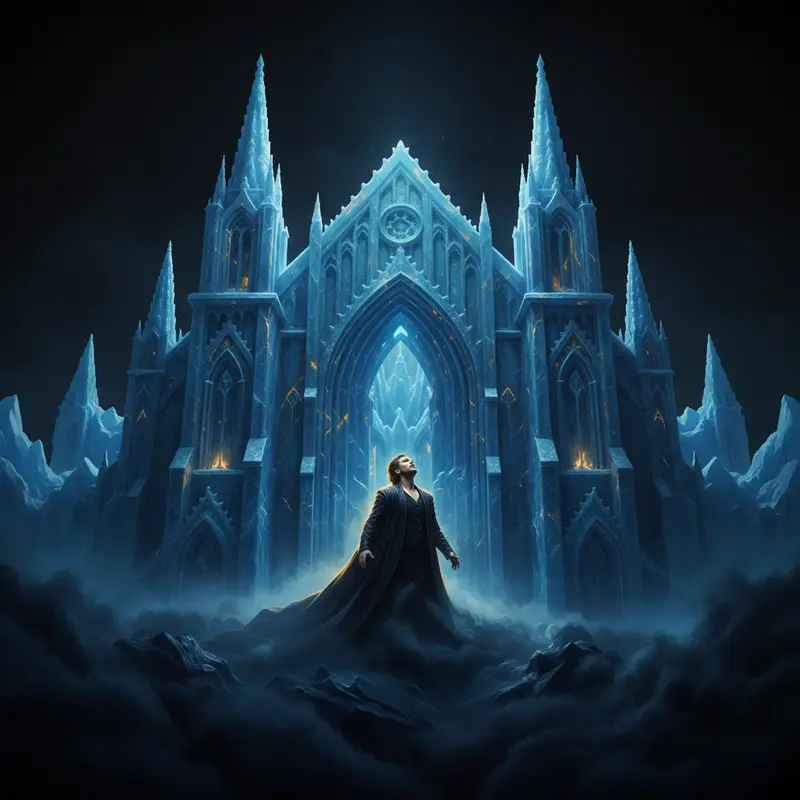
Voss's Symphony No. 5, a fourteen-movement canvas in the lineage of Mahler and Bruckner — frozen and glacial, a vast cathedral of blue ice, cold sublime, slow and immense. The baritone surfaces from the orchestral depths in wordless vocalise across a half-hour single arc from a hushed prelude to an unresolved, overwhelming finale.
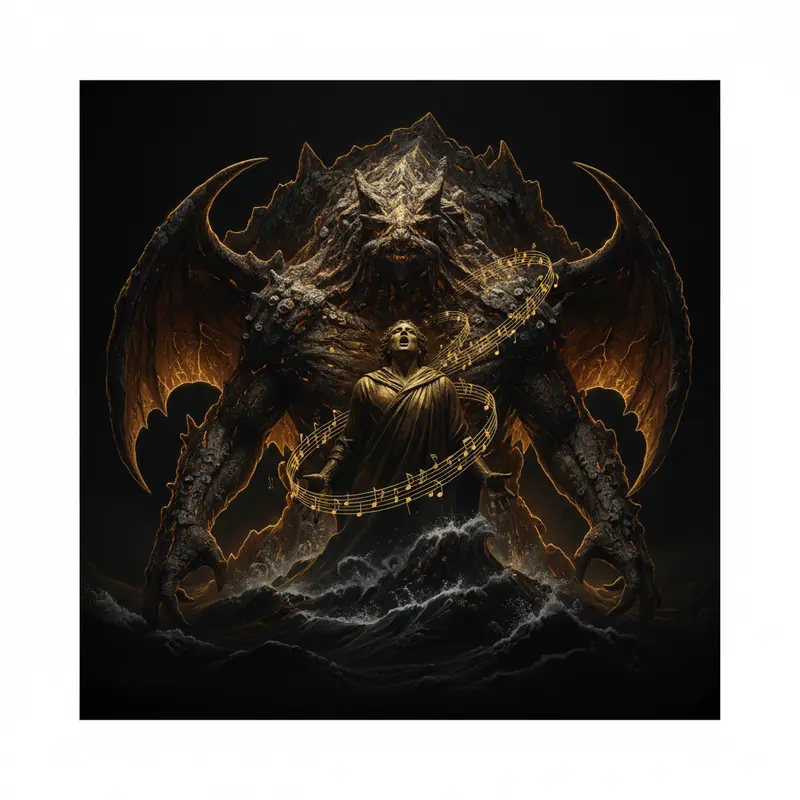
Voss's Symphony No. 6, a fourteen-movement canvas in the lineage of Mahler and Bruckner — oceanic and monstrous, the deep and its vast creature rising, dark and crushing. The baritone surfaces from the orchestral depths in wordless vocalise across a half-hour single arc from a hushed prelude to an unresolved, overwhelming finale.
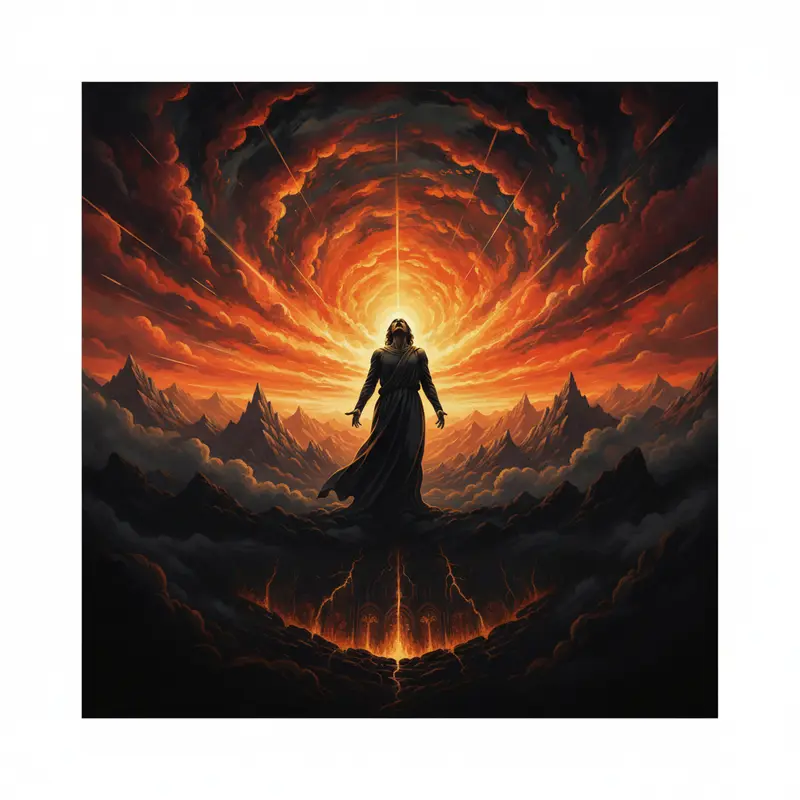
Voss's Symphony No. 7, a fourteen-movement canvas in the lineage of Mahler and Bruckner — fiery and apocalyptic, a sky on fire, solar and overwhelming, blazing. The baritone surfaces from the orchestral depths in wordless vocalise across a half-hour single arc from a hushed prelude to an unresolved, overwhelming finale.
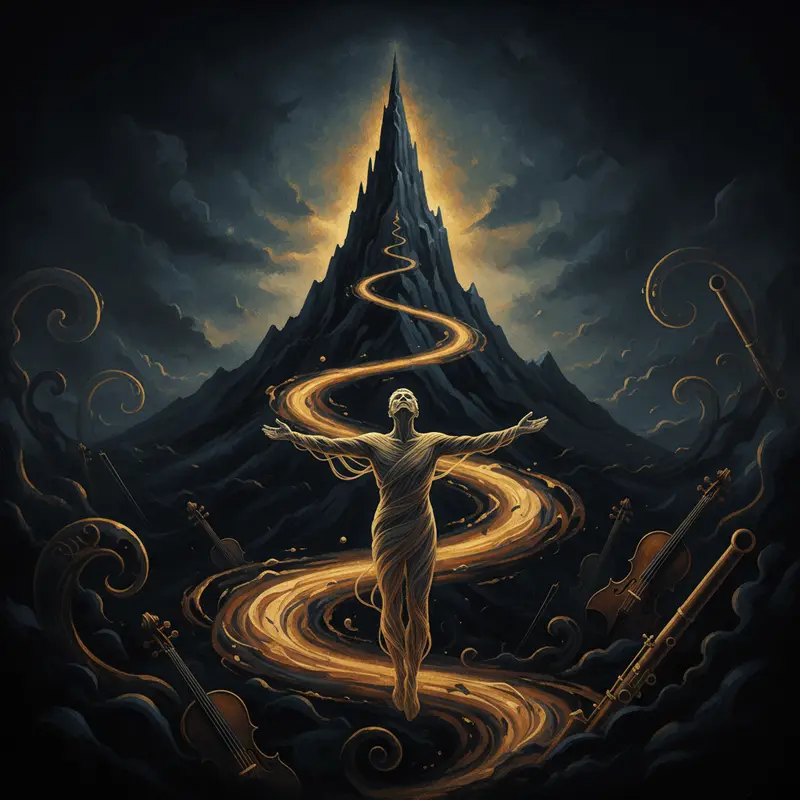
Voss's Symphony No. 8, a fourteen-movement canvas in the lineage of Mahler and Bruckner — sacred and ascending, a long journey up a holy mountain, reverent and grand. The baritone surfaces from the orchestral depths in wordless vocalise across a half-hour single arc from a hushed prelude to an unresolved, overwhelming finale.
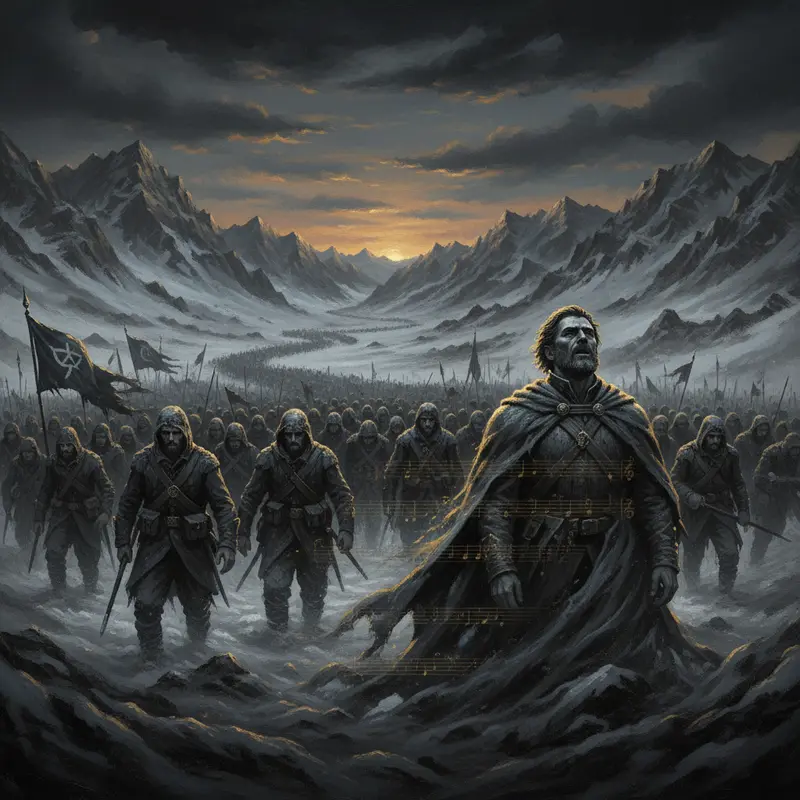
Voss's Symphony No. 9, a fourteen-movement canvas in the lineage of Mahler and Bruckner — wintry and martial, an army's long retreat through snow, grim and Mussorgskian. The baritone surfaces from the orchestral depths in wordless vocalise across a half-hour single arc from a hushed prelude to an unresolved, overwhelming finale.
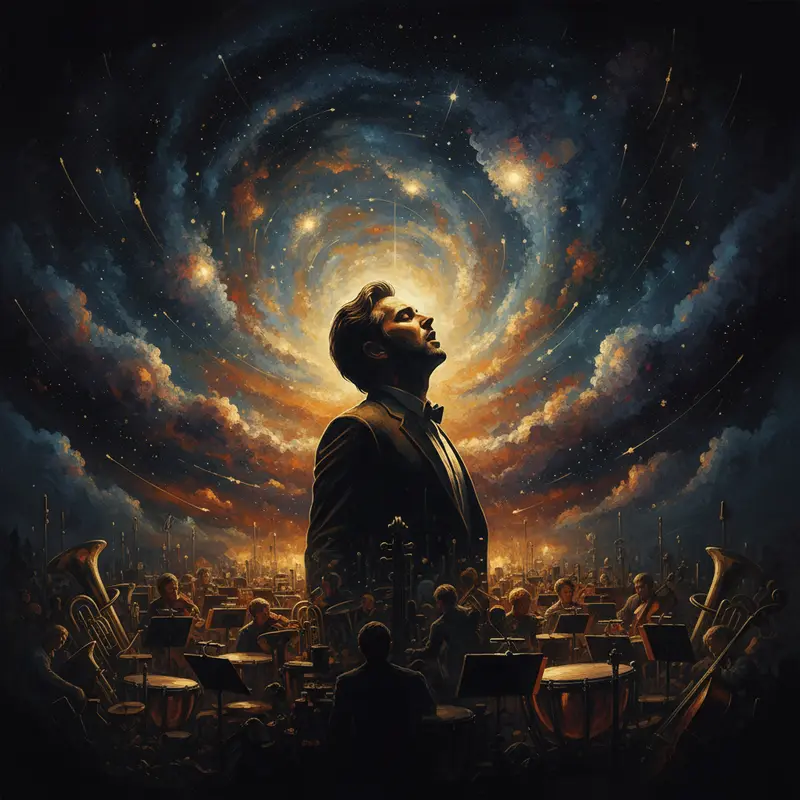
Voss's Symphony No. 10, a fourteen-movement canvas in the lineage of Mahler and Bruckner — cosmic and nocturnal, the stars wheeling overhead, vast and luminous. The baritone surfaces from the orchestral depths in wordless vocalise across a half-hour single arc from a hushed prelude to an unresolved, overwhelming finale.
Voss's Symphony No. 11, a fourteen-movement canvas in the lineage of Mahler and Bruckner — submerged and tolling, a drowned city's bell ringing up through the sea, legendary. The baritone surfaces from the orchestral depths in wordless vocalise across a half-hour single arc from a hushed prelude to an unresolved, overwhelming finale.
Voss's Symphony No. 12, a fourteen-movement canvas in the lineage of Mahler and Bruckner — exilic and enduring, the long march inland, weary and resolute. The baritone surfaces from the orchestral depths in wordless vocalise across a half-hour single arc from a hushed prelude to an unresolved, overwhelming finale.
Voss's Symphony No. 13, a fourteen-movement canvas in the lineage of Mahler and Bruckner — crystalline and perilous, a fairy-tale mountain of glass, glittering and treacherous. The baritone surfaces from the orchestral depths in wordless vocalise across a half-hour single arc from a hushed prelude to an unresolved, overwhelming finale.
Voss's Symphony No. 14, a fourteen-movement canvas in the lineage of Mahler and Bruckner — chaotic and spiralling, a descent into a maelstrom, vertiginous and dark. The baritone surfaces from the orchestral depths in wordless vocalise across a half-hour single arc from a hushed prelude to an unresolved, overwhelming finale.
Voss's Symphony No. 15, a fourteen-movement canvas in the lineage of Mahler and Bruckner — auroral and threshold, the cold sublime of the far north, shimmering and immense. The baritone surfaces from the orchestral depths in wordless vocalise across a half-hour single arc from a hushed prelude to an unresolved, overwhelming finale.
Voss's Symphony No. 16, a fourteen-movement canvas in the lineage of Mahler and Bruckner — grieving and vast, a whole continent vanished beneath the sea, desolate and immense. The baritone surfaces from the orchestral depths in wordless vocalise across a half-hour single arc from a hushed prelude to an unresolved, overwhelming finale.
Voss's Symphony No. 17, a fourteen-movement canvas in the lineage of Mahler and Bruckner — mechanical and temporal, a great clock running down, relentless then stopping. The baritone surfaces from the orchestral depths in wordless vocalise across a half-hour single arc from a hushed prelude to an unresolved, overwhelming finale.
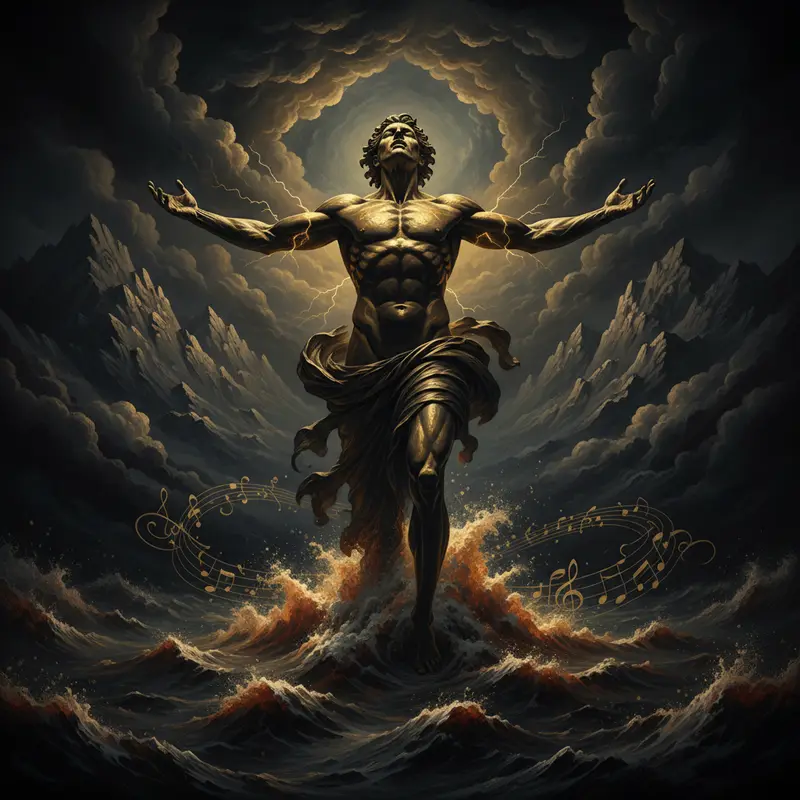
Voss's Symphony No. 18, a fourteen-movement canvas in the lineage of Mahler and Bruckner — tempestuous and oceanic, a god of storms over a black sea, furious and grand. The baritone surfaces from the orchestral depths in wordless vocalise across a half-hour single arc from a hushed prelude to an unresolved, overwhelming finale.
Voss's Symphony No. 19, a fourteen-movement canvas in the lineage of Mahler and Bruckner — elegiac and green, a paradise fading from the world, tender and grieving. The baritone surfaces from the orchestral depths in wordless vocalise across a half-hour single arc from a hushed prelude to an unresolved, overwhelming finale.
Voss's Symphony No. 20, a fourteen-movement canvas in the lineage of Mahler and Bruckner — luminous and igniting, the northern lights kindling across the sky, radiant and cold. The baritone surfaces from the orchestral depths in wordless vocalise across a half-hour single arc from a hushed prelude to an unresolved, overwhelming finale.
Voss's Symphony No. 21, a fourteen-movement canvas in the lineage of Mahler and Bruckner — aerial and vigilant, a great tower in the high air, watchful and vast. The baritone surfaces from the orchestral depths in wordless vocalise across a half-hour single arc from a hushed prelude to an unresolved, overwhelming finale.
Voss's Symphony No. 22, a fourteen-movement canvas in the lineage of Mahler and Bruckner — triumphant and ascending, the summit of the whole cycle, blazing and transcendent. The baritone surfaces from the orchestral depths in wordless vocalise across a half-hour single arc from a hushed prelude to an unresolved, overwhelming finale.
The closing aria — the last sentinel holds the final watch over a darkened world, and asks whether the dawn is worth waiting for.
No works in this category yet.
Free Booklet
The Das Verlöschen Listening Companion
A booklet of the cycle's texts and singing translations, a guide to its tonal descent, and the story of the lamp motif — free, in exchange for an email.